
With such an expansive area that stretches over different geographical regions and borders, it comes as no surprise to learn that the continent of Asia is home to some of the world’s most popular languages.
But just how many Asian languages are there? Simply put, over 2,000 of them! After all, Asia is the largest continent on Earth and home to approximately 5 billion people!

Let’s have a look at some of the most spoken languages in Asia and see which ones are best for language learners.
Most widely spoken languages in Asia by numbers
| Language | Number of Speakers |
| Mandarin | 1.3 billion |
| Hindi | 600 million |
| Bahasa Indonesia | 260 million |
| Arabic | 250 million |
| Bengali | 230 million |
| Persian | 150 million |
| Japanese | 120 million |
| Punjabi | 100 million |
| Marathi | 100 million |
| Tagalog | 95 million |
| Turkish | 90 million |
| Korean | 80 million |
| Vietnamese | 80 million |
| Telugu | 80 million |
| Tamil | 80 million |
| Urdu | 60 million |
| Pashto | 60 million |
| Thai | 60 million |
| Kurdish | 30 million |
| Bahasa Melayu | 30 million |
1. Mandarin

With over 1.3 billion speakers, it comes as no surprise that Mandarin is one of the most spoken languages in Asia. In fact, it’s one of the most popular languages to learn in the world.
Mandarin (often also called Chinese) is the main dialect of Mainland China and Taiwan. While the main dialect in Hong Kong and Macau is Cantonese, Mandarin is equally as widely-spoken. What’s more, this widely-spoken language in Asia is common in countries like Malaysia, Singapore, and even Thailand, all of which are countries that boast vibrant ethnic Chinese communities.
Learning Mandarin from scratch can be a bit of a challenge, mostly because of how different it is compared to English. Add to that an expansive archive of over 50,000 characters (and even more word combinations) and tonal fluctuations and what you have is a difficult language to master. But as a native speaker, I can confirm it is extremely rewarding to do so.
After all, it is one of the top languages in Asia (and the world) for business and communication.
2. Hindi
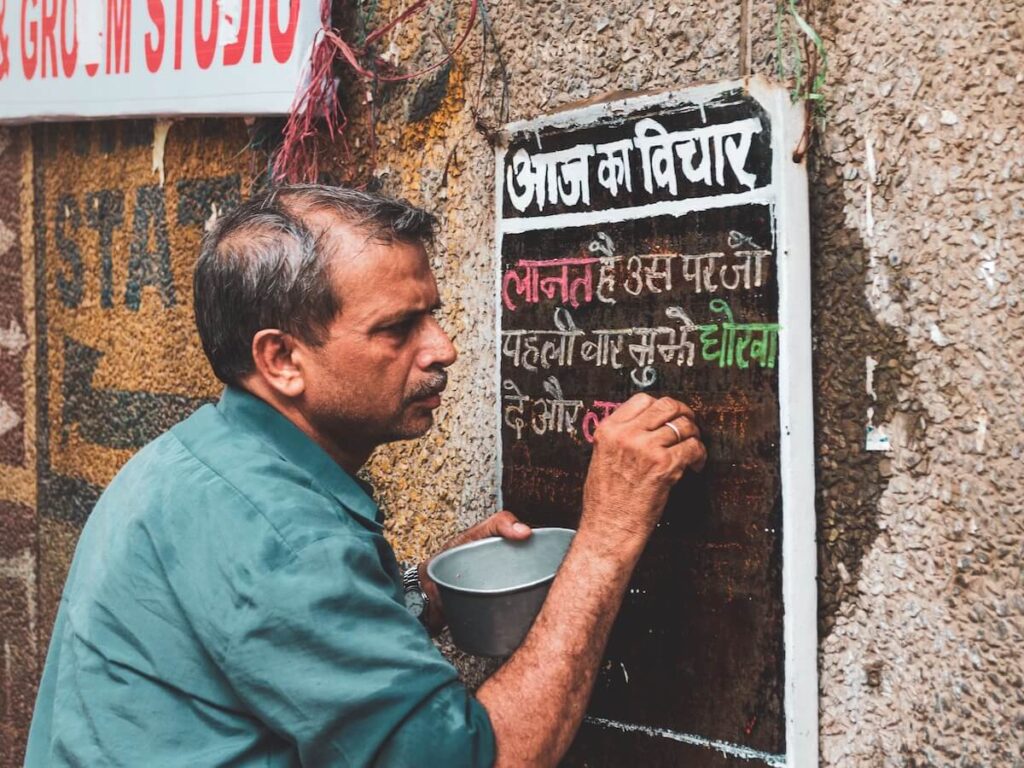
Hindi is another one of the most common languages in Asia, boasting around 600 million speakers, many of whom are based in India. That comes as no surprise since it IS the official language of the country!
But unlike Mainland China where Mandarin is the main dialect for almost all of its inhabitants, Hindi is mostly spoken in the northern parts of India. Think Delhi, Uttar Pradesh, Haryana, and the surrounding regions. Apart from India, Hindi is also spoken in neighboring countries like Nepal, Mauritius, and interestingly, in some parts of South Africa.
Compared to many other Asian languages, Hindi is slightly easier to pick up, thanks to the simplicity of its phonetics. Each letter of the alphabet in Hindi has its own distinct pronunciation, which means every word is pronounced as they are written. What’s more, Hindi and English share plenty of common and borrowed words, which helps English speakers familiarize themselves with the language quicker.
3. Bahasa Indonesia

Bahasa Indonesia boasts being one of the most commonly spoken languages in Asia by virtue of having a large community of native speakers — around 260 million of them, to be exact!
Much like Mandarin in China, Bahasa Indonesia is the official lingua franca of Indonesia, a linguistically-diverse country where there are hundreds of different dialects, such as Javanese, and Minangkabau. Thanks to Bahasa Indonesia though, most locals are able to communicate effectively even if they hail from different regions.
Learning Indonesian isn’t just useful for a trip to Bali or Jakarta. In recent years, due to Indonesia’s expanding diplomatic and economic position on the world stage, there has been an increased need for fluent Bahasa Indonesia speakers, especially in the United States.
Thankfully, the language isn’t the most challenging one to learn in Asia, although English speakers may find the pronunciation of certain words to be slightly challenging!
4. Arabic

Given how expansive the Middle East is, it comes as no surprise that Arabic is another one of the top languages in Asia.
There are approximately 250 million Arabic speakers in the world, and the language is spoken in countries like Lebanon, Saudi Arabia, Oman, and more. In addition, Islamic countries in Southeast Asia, such as Malaysia, sometimes also feature Arabic signage on religious texts.
The interesting thing about Arabic is that the language sounds different depending on which part of the world you’re in. Since Arabic is spoken in such a wide spectrum of countries, you will often find different dialects spoken in different places.
When it comes to learning Arabic, I would consider it a moderately challenging and difficult experience. That’s mainly because Arabic is one of the common languages in Asia that doesn’t use a Romanized alphabet. What’s more, the cursive script and tonal pronunciations may prove to be a stumbling block for early learners.
5. Bengali
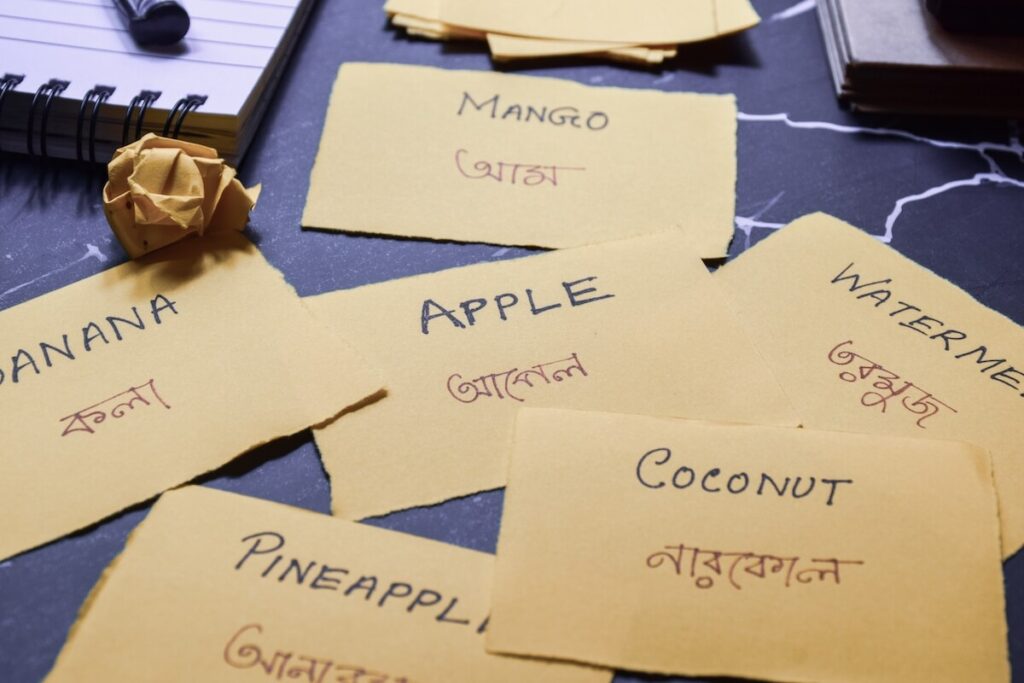
With over 230 million native speakers, Bengali (the official language of Bangladesh) is rightfully one of the most commonly spoken languages in Asia. It is one of the most historically-significant South Asian languages, having once been the official language of Pakistan and the language in which the national anthem of India was originally composed in.
Even today, certain parts of neighboring India speak Bengali instead of Hindi. Compared to many other languages in Asia, Bengali has a softer ambiance, punctuated by simple pronunciations and sweet expressions of emotion.
Learning Bengali may be a challenge initially due to the different alphabetical system, but most learners are able to pick it up quickly thanks to it having gender-neutral words and phrases.
6. Persian (Farsi)

Many people often confuse Persian (or Farsi) with Arabic, mainly because both languages sound somewhat similar and are spoken in geographically-close locations. However, I assure you that Persian, which boasts around 150 million speakers in Iran, Afghanistan, Tajikistan, and the like, is a distinct language that has its own charms.
This widely-spoken language in Asia also holds a distinction for being one of the oldest-surviving languages today, which can be observed from the many words that are borrowed from French, a testament to the long history between Persia (now Iran) and France.
Learning Persian is a fun, albeit challenging experience. One of the tips for learning the language is simply to first focus on listening and pronouncing the words before zeroing in on more taxing technical areas like grammar.
7. Japanese

The Japanese language isn’t just one of the top languages in Asia, it’s also one of the most common languages to learn around the world, thanks in no small part to the far-reaching influence of anime and manga culture.
What might catch a few people by surprise is that, despite there being 120 million native speakers, Japanese isn’t recognized as the “official language” of Japan! But before you go searching for a secret hidden dialect in the Land of the Rising Sun, this is simply because the country doesn’t have an official language.
When you start learning Japanese, one thing you’ll realize is that there are three different writing systems in Japanese: Hiragana, which consists mainly of Japanese words in Japanese alphabets; Katakana, which includes borrowed words from other languages; and Kanji, which uses Traditional Chinese characters, an ode to the long history between the two cultures.
Despite the seemingly-daunting task of having to familiarize yourself with three different sets of alphabets (as well as different levels of formality in speech), learning Japanese isn’t too difficult, since there are so many different resources available to get you started!
8. Punjabi

Given how vast the geographical area of India is, it’s not at all surprising that the country has more than just one or two languages, and all of them are widely spoken by large numbers of people. Punjabi is one such example. With over 100 million speakers, it’s one of India’s most popular languages and one of the most commonly spoken languages in Asia.
What’s noteworthy is that, apart from just India and surrounding countries like Pakistan, Punjabi is also quite common in the United States and Canada, mainly because those countries house quite a few Punjab communities.
Personally, I think learning Punjabi is a challenge, especially if you’re used to single-script systems like those used in English or Korean. Punjabi can be written in either Shahmukhi or Gurmukhi scripts, both of which look slightly different from the other.
What’s more, the language has an expansive vocabulary and various grammar rules which might differ from your mother tongue. Definitely not an easy language to master, that’s for sure!
9. Marathi

Like Punjabi, Marathi is a common language in Asia that’s mainly spoken in India. With close to 100 million speakers of its own, Marathi is another one of the 22 official languages of India (meaning the government will work hard to protect and ensure that the language is preserved).
Marathi is the official state language of Maharashtra and Goa, located in the central to southern regions of the Indian Peninsula. Interestingly, Marathi is the oldest surviving language of the Indo-Aryan languages (the same “family” as Hindi, Punjabi, and Bengali), with roots that can be traced back to Sanskrit.
While certainly a fun language to learn, given that Marathi is only used in certain areas of India, it might be better to learn other languages like Hindi and Punjabi. What’s more, given how localized it is, you may find resources for learning Marathi to be somewhat limited.
10. Tagalog

Tagalog is very much like Mandarin or Hindi in the sense that it is more like the dominant dialect of a language that encompasses different regional dialects. Widely spoken in the capital of Manila and throughout much of the Philippines, Tagalog has close to 95 million speakers and is often considered the “standard” Filipino language.
What’s more, with Filipino communities found in many locations around the world, Tagalog isn’t just one of the most common languages in Asia, it’s also a popular language that’s spoken by a wider, global community.
Naturally, learning Tagalog has plenty of benefits, especially if you’re planning a trip to the Philippines soon. The good news is Tagalog uses the same alphabets as English and borrowed words from English and Spanish are common.
Most words are also pronounced the same way they are spelt, so once you’re used to the Filipino alphabet, mastering Tagalog will be a breeze!
11. Turkish

While it’s true that Turkey isn’t technically an “Asian” country, it IS the bridge between Asia and Europe and is pretty much the meeting point between East and West. The Turkish language, spoken by close to 90 million people, is heavily influenced by both European and Asian languages, namely Arabic and French.
Learning Turkish is an interesting experience, to say the least. As mentioned, as you learn to master this unique language, it will feel as if you’re learning about several different languages at the same time. If you speak either Arabic or French, you may even spot the similarities between these languages!
Fun fact: There exists a form of Turkish where, instead of “speaking” the language, words are communicated using whistling that can be heard from faraway distances! This unique form of Turkish is now part of the UNESCO Intangible Cultural Heritage List, and efforts are being made to ensure it doesn’t become a lost language!
12. Korean

Hands up if you’ve listened to a K-Pop song or seen a Korean drama within the past year or so (yes, Squid Game counts!). That’s how popular Korean pop culture is around the world right now, which is also why it is currently one of the top languages in Asia!
There are about 80 million Korean speakers worldwide, many of whom are based in the two Koreas. This commonly spoken language in Asia is known for its unique alphabetical system (hangul) and for its extensive use of honorifics in daily conversations.
Speaking from personal experience, learning Korean is quite easy compared to many other Asian languages because of its easy-to-master writing system and the ample resources available to language learners.
13. Vietnamese

Vietnamese is one of the few Asian languages that uses Latin script (meaning the same alphabet as English), making it one of the most common languages in Asia that can be easily picked up by English speakers.
With around 80 million speakers in Vietnam and around the world, Vietnamese is a language that is slightly influenced by the Chinese language, thanks to its close proximity to China. And much like many other languages in Asia, there are slight linguistic variations based on geographical differences. “Standard” Vietnamese is the one spoken in northern Vietnam (Hanoi).
In addition, you’ll also notice some borrowed words from French in Vietnamese, an ode to the colonial history between the two nations.
Learning Vietnamese can sometimes be a challenge initially because of the difficult pronunciation of certain words. But once you’ve got that mastered, you’re well on your way to adding to the growing number of Vietnamese speakers worldwide!
14. Telugu

Apart from Hindi and Punjabi, Telugu is another one of India’s 22 scheduled languages. With close to 80 million speakers, Telugu is one of the most common languages in Asia, widely spoken in the southeastern provinces of India. It is also one of the world’s oldest languages, with over 4,000 years of history!
Interestingly, the use of Telugu as a language has seen a steady rise in the United States, backed by immigration and an expanding workforce in the IT sector. So learning Telugu is definitely something that might put you in great stead in terms of future career opportunities.
What you will need to first master is the Telugu alphabet, derived from the Brahmi script with different characters representing 56 basic consonants and 16 vowels.
For English speakers, Telugu will certainly look quite different, but once you learn how to read the language, you’ll be able to quickly pick up on the complexities of its grammar and vocabulary.
Also read: No Telugu on Duolingo? Here are 3 Great Alternatives
15. Tamil

Another one of the most widely spoken languages of Asia is Tamil, the fifth most commonly spoken language in India, with close to 80 million speakers in the country, as well as in places like Sri Lanka, Malaysia, and Singapore.
While Tamil doesn’t have as many speakers as Hindi or Punjabi, it holds the distinction of being the oldest living language still in use today, having been around for around 5,000 years! It’s no wonder Tamil was the first language to be given Classical status by UNESCO!
Learning Tamil is a bit of a challenge for English speakers. While you can certainly transcribe Tamil using Romanized alphabets, the actual Tamil Alphabet looks very different and can be hard to distinguish from one another. That said, once you learn how to read Tamil, you should be able to pick up the language pretty quickly!
16. Urdu
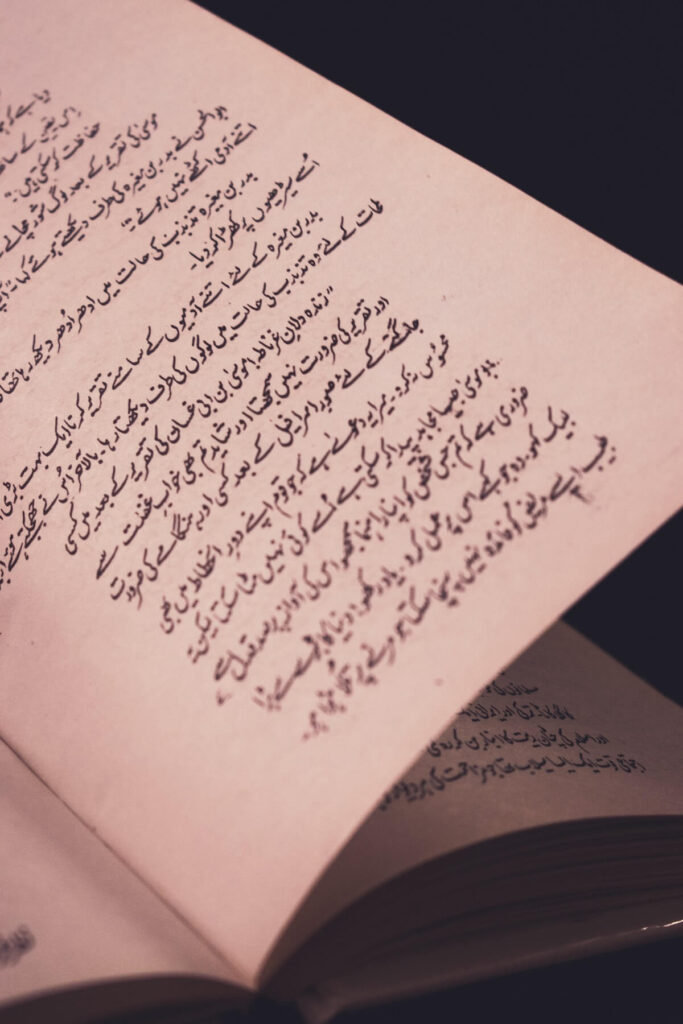
The official language of Pakistan, Urdu, is another one of the top languages of Asia, spoken by over 60 million people worldwide. It is also recognized as an official language in the Indian states of Delhi, Hyderabad, and more, as well as a common language in some areas of the Middle East.
Perhaps that is why, at first glance, written Urdu looks like a mix between Hindi, Persian, and Arabic. It has a complex grammatical and verb conjugation system that makes it a challenge to master even for seasoned language learners. But the rewards of learning Urdu extend beyond just being able to communicate with the locals.
Many great works of literature from the Persian-Arabic region were written in Urdu, so mastering the language opens up doors to plenty of incredible, thought-provoking works! Thankfully, Urdu is also one of the more common languages in Asia to learn, so there is no shortage of resources online to help you get started!
17. Pashto

With close to 60 million speakers, Pashto is the second-most used language of Afghanistan, and one of the most widely spoken languages in the world by number of speakers. Belonging to the Indo-European language family, Pashto is mainly used as the language of choice in the southern part of the country.
Learning Pashto now is likely easier than in the past. That’s because the Pashto alphabet used to be written using a modified Arabic script, and included additional letters that sound extremely unique. These days, however, there are efforts to use a standardized Latin script to make up the Pashto alphabet instead,
That said, Pashto has an extensive word conjugation system that may confuse first-time learners. Add to that the rich grammar and multilayered expressions of the language, and what you have is a moderately-challenging language to master, but one that sounds beautiful once you attain fluency.
18. Thai
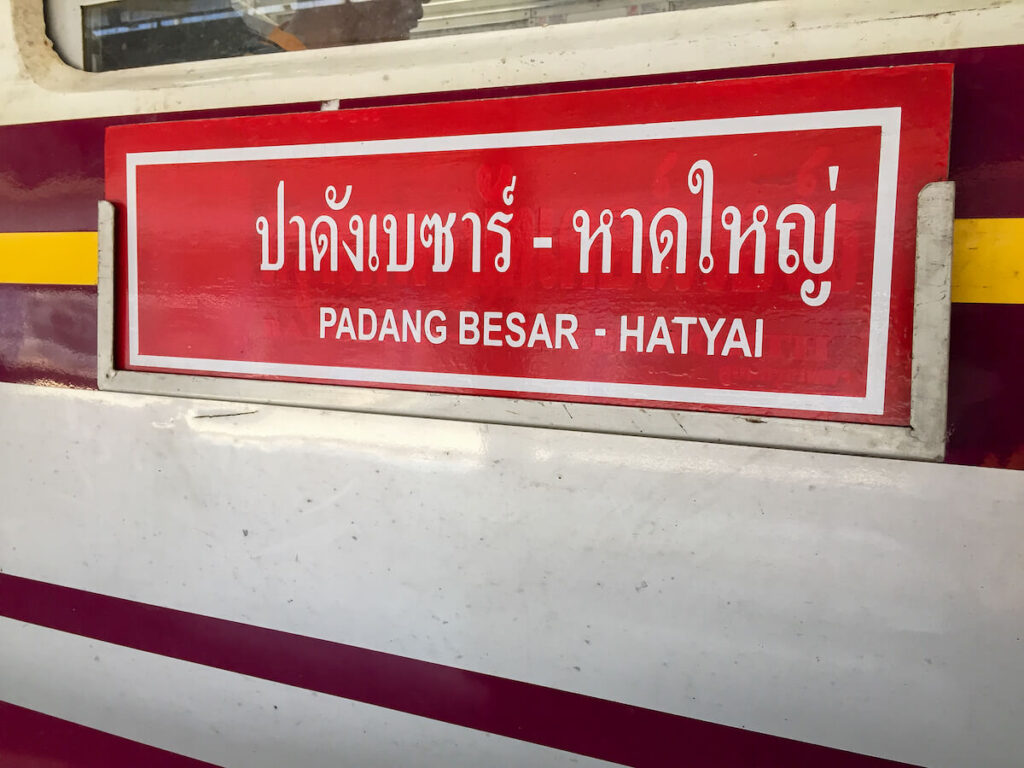
Thailand is easily one of the most popular travel destinations in Asia. I suppose that alone is reason enough to want to learn a few basic words and phrases in Thai. But in fact, the language is one of the top languages in Asia, especially in the Southeast Asian region.
Apart from the 60 or so million native speakers in Thai, you will also find the language spoken in some of Thailand’s neighboring areas, like Laos and the northern part of Peninsular Malaysia, where locals pick up the language due to the close proximity to the Thai border.
Like Mandarin, Thai is a tonal language and uses an alphabetical system that is way different from English. If it’s your first time encountering Thai script, you might suddenly feel that mastering the language is a daunting task.
However, one good thing for learners is that Thai does not have many stringent grammar rules (past and future tenses don’t exist as they do in English), which makes it less time-consuming to be fluently accurate when you’re learning Thai.
19. Kurdish

Many people consider Kurdish to be the “second” language of Turkey, when in fact, this common language in Asia is spoken in several areas of the Middle East, such as Iran, Iraq, Syria, and other locations where there are vibrant Kurdish communities. Altogether, there are approximately 30 million people worldwide who speak this language.
What is unique about Kurdish is its historical backstory as well as its slightly political nuance. In the past, Kurdish used Arabic script, but later on adopted different writing systems that used Latin-based scripts. The language is tied intrinsically to the Kurdish cultural identity, prominent in different aspects of music, literature, and poetry.
It features a complex grammar and verb conjugation system which may put many beginner learners off. While it’s certainly rewarding to master Kurdish, you will likely find its use limited to only certain areas of the world.
20. Bahasa Melayu

Simply put, Bahasa Melayu is the official language of Malaysia, and is spoken by about 30 million Malaysians, as well as the Malay communities of neighboring countries like Singapore and Thailand.
Contrary to popular belief, Bahasa Melayu and Bahasa Indonesia aren’t as interchangeable as one might think, despite sharing plenty of similarities.
Bahasa Melayu is an ever-evolving language, thanks in great part to the multicultural background of Malaysia. Codeswitching and borrowed words and common in the language, as are phrases that reference pop culture in the country.
Learning Bahasa Melayu is quite easy since it uses the same alphabet as English, and certain words are even spelled similarly. The challenge with mastering the Malay language would be understanding the different grammatical rules involving prefixes and suffixes. But once you nail that, you’ll be fluent in Malay before you know it!
Bonus: English

Surprise, surprise! The most commonly spoken language in Asia is, in fact, English! That’s because English is one of the most popular languages to learn in the region, with some countries making it a compulsory subject for students in early education.
While not everyone in Asia can compose sonnets on demand, you’ll be surprised by how many fluent English speakers there are in countries like Singapore, Malaysia, China, and more. In fact, there are approximately 1.3 billion English speakers in the region!
So if you’ve been planning a trip to Asia but held back because you were worried about communication breakdowns, don’t be! Even if you don’t speak any other language than English, you will likely still be able to find your way just fine!
Conclusion
And there you have it, 20 of the most spoken languages in Asia! Do you speak any one of these beautiful languages in Asia? Which one would you want to master most?
Once you’re done here, don’t forget to also check out the most spoken languages in Europe too!