
Olá! If you think Portuguese was just one language, you have another thing coming. There are actually dozens of different Portuguese dialects spoken around the globe, each with its own unique quirks and characteristics.
From the distinctive intonations of Brazilians to the ubiquitous schwa sound in Portugal, Portuguese dialects are as diverse as they are fascinating.
In this post, we’ll explore together the 13 most spoken dialects of Portuguese, diving into their history and cultural significance along the way.
Whether you’re planning a trip to a Portuguese-speaking country or simply want to expand your linguistic horizons, this guide will give you a comprehensive overview of the amazing world of Portuguese dialects.
Where is Portuguese spoken?
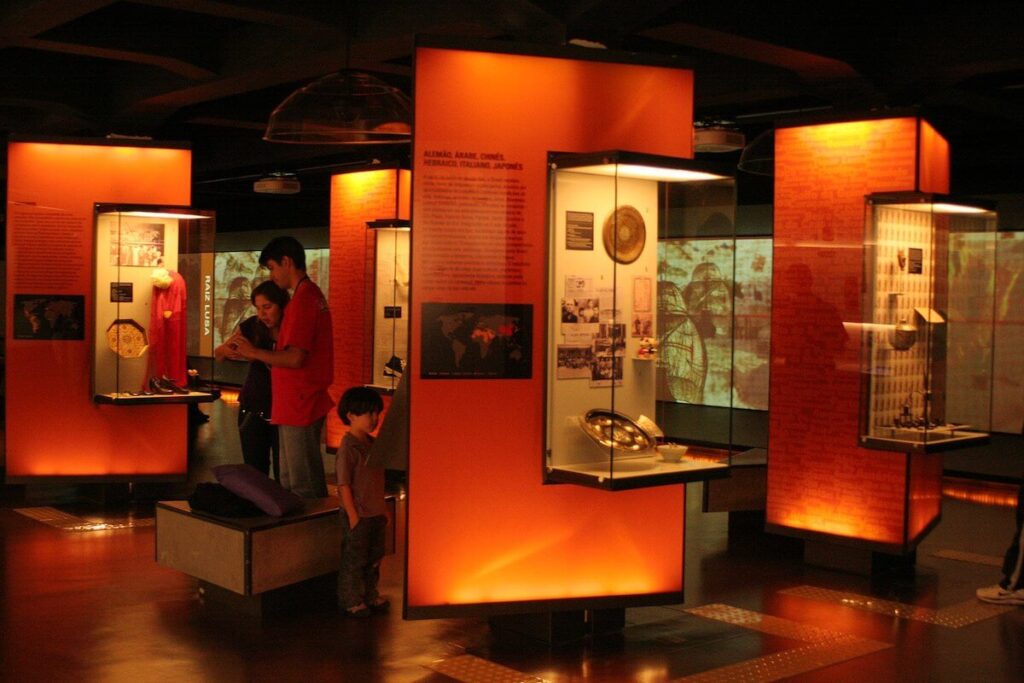
Portuguese is a stunning language with a rich history spanning centuries. The origin of Portuguese is in the Kingdom of Galicia and Northern Portugal in the 12th century. It was heavily influenced by the Romance languages spoken by the Roman soldiers and colonizers, such as the so-called Vulgar Latin.
Over time, it evolved into various dialects and spread across the globe, with its most popular varieties being Portuguese from Portugal and Brazilian Portuguese.
Today, Portuguese is the ninth-most spoken language on Earth, with over 300 million speakers. It’s the official language of Portugal, Brazil, Angola, Mozambique, Guinea-Bissau, Cape Verde, Sao Tome and Principe, East Timor, and Equatorial Guinea.
It’s also spoken in several other countries, including Macau, and parts of India, as well as by expat communities across the planet.
European Portuguese dialects
1. Northern Portugal dialect
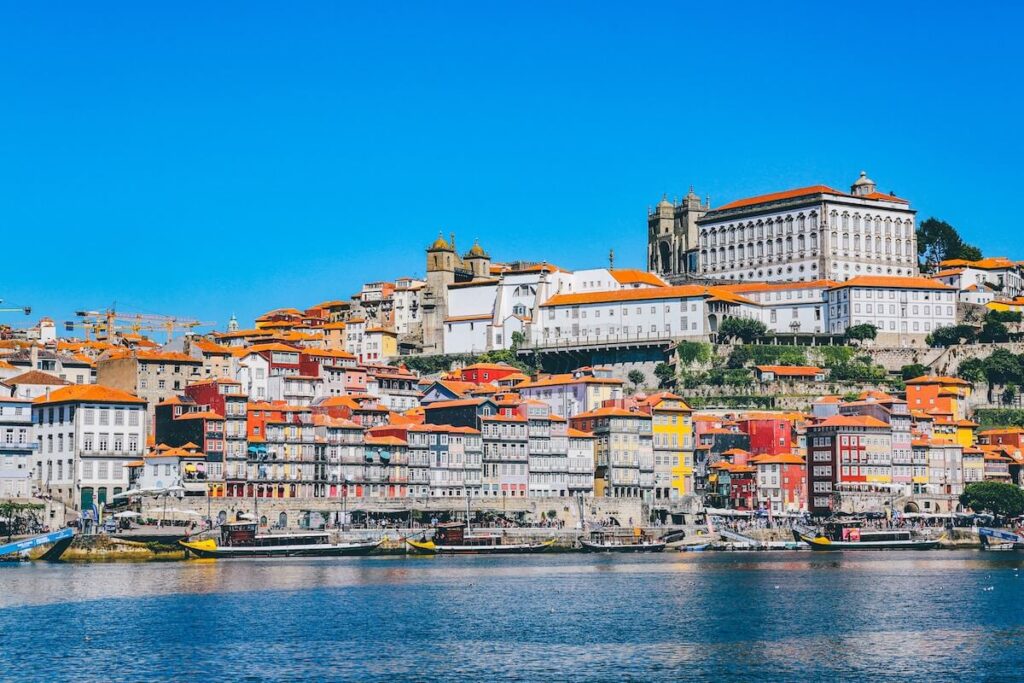
The Northern Portugal dialect, also known as the Portuense dialect, is spoken in Greater Porto and its surroundings, where about 3.6 million people live. It’s considered one of the most conservative and traditional in the country.
Historically, the Northern Portugal dialect was widely spoken among the middle and upper classes and was used in literary works such as the beloved 19th-century novel Os Maias by Eça de Queiroz.
One of the key features of the Northern Portugal dialect is its distinctive intonation, which includes a rising inflection at the end of sentences. The pronunciation of the letter R, which is often rolled more heavily than in other Portuguese dialects, is striking as well.
The Northern Portugal dialect has its own set of regional vocabulary and idioms too. For example, the word pipi is used to refer to a small child or a cat.
2. Lisboeta dialect

The Lisboeta dialect is spoken by Alfacinhas (literally “little lettuces”), which is what Lisbon natives are affectionately called. It is considered one of the most influential dialects in Portugal due to its prominence in media and entertainment.
The dialect of Portugal’s capital emerged in the 14th and 15th centuries as the language of the royal court and eventually became the language of the educated elite.
It spread throughout the country during the Age of Discovery, as Portuguese explorers brought the language to their colonies.
Today, besides the 2.8 million people living in and around Lisbon, the dialect is widely spoken by natives of central Portugal as well, and it is noted for its one-of-a-kind pronunciation and intonation.
The Lisbon dialect has played a crucial role in Portuguese literature and music. Fado, a traditional Portuguese musical genre, is often sung in the Lisbon dialect and is a staple of Lisbon’s cultural scene.
3. Beirão dialect
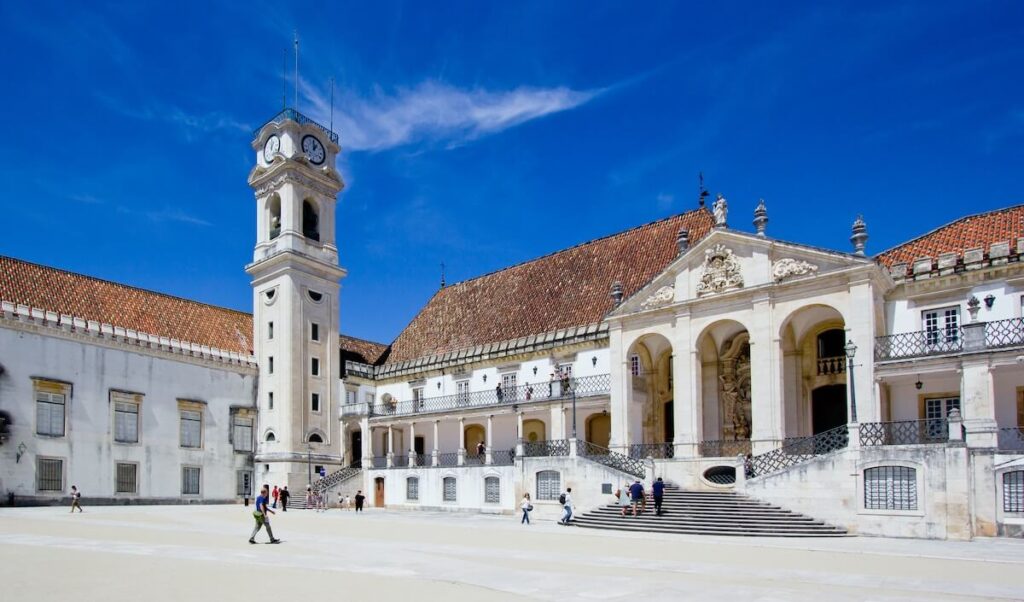
The Beirão dialect is spoken in the historical province of Beira. The area roughly corresponds to Central Portugal, which is home to 2.2. million people. It’s particularly strong in the area around the city of Coimbra.
Beirão is known for its distinctive pronunciation, with a strong emphasis on the “sh” sound (like in “ship”). For example, the word pessoa (“person”) is pronounced /p’shoah/ there.
The dialect of Central Portugal has played an important role in Portuguese literature and culture, with many writers and poets hailing from the region.
The city of Coimbra is home to one of the oldest and most prestigious universities in Portugal (and the West), and its influence on the development of the language can’t be overstated.
4. Alentejano dialect

The Alentejo region in southern Portugal boasts picturesque rural landscapes and rich history, which is reflected in the local dialect. Its rustic charm is celebrated in music and literature.
The Alentejano dialect is spoken by approximately one million people, both locals and many residents of the neighboring Algarve.
The dialect can be traced back to the Middle Ages when the region was under Moorish rule. Later, it was heavily influenced by the Castilian Spanish dialects spoken across the border.
As a result, it is sometimes described as sounding more like Spanish than Portuguese, with a sing-song intonation and a preference for rolling R sounds.
Another notable feature is the use of some archaic vocabulary and grammar structures, which give the dialect a charmingly old-fashioned feel.
For instance, the verb ir (“to go”) is often accompanied by the archaic haver in the present tense, as in Eu hei de ir lá (“I shall go there”) instead of Eu vou lá (“I’m going there”).
Brazilian Portuguese dialects
5. Mineiro dialect
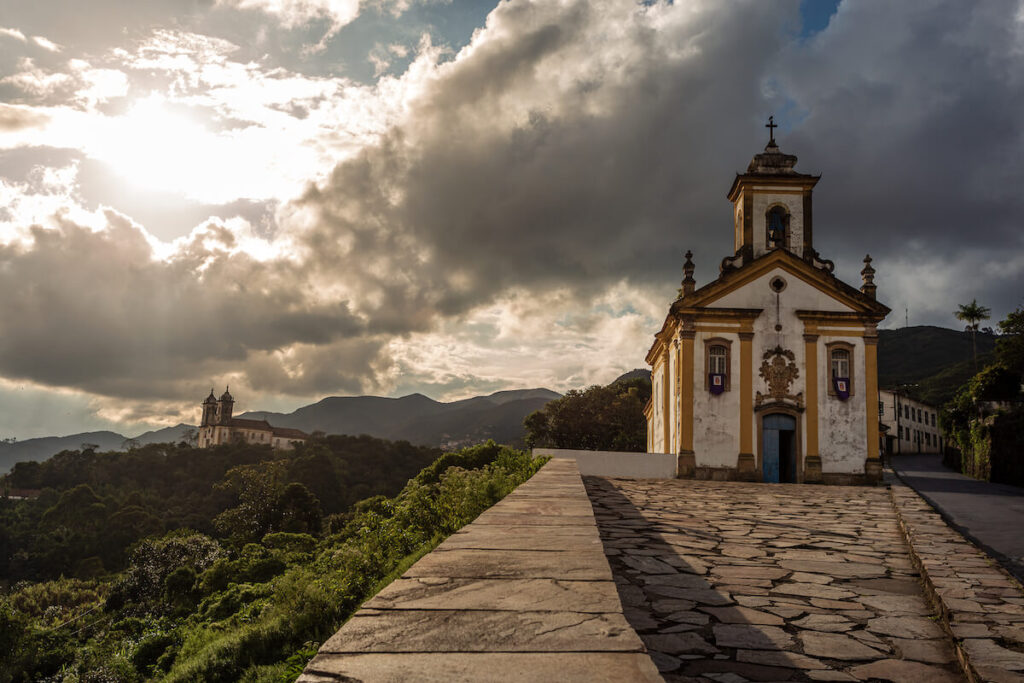
Spoken in the beautiful and historic state of Minas Gerais by its 21 million natives, the Mineiro dialect is famous for its sing-songy rhythm, with a slow and measured pace that sets it apart from other Brazilian dialects.
Historically, the region of Minas Gerais was a hub for gold mining during colonial times, which brought in a mix of Portuguese, African, and indigenous populations. This unique blend of cultures has influenced the Mineiro dialect in its vocabulary, pronunciation, and grammar.
One of the most unique features of the Mineiro dialect is the use of the personal pronoun ‘ocê instead of the more common você that is used in other regions of Brazil.
It’s also common to drop the last syllable of words in a way that Portuguese learners and even native speakers may struggle to understand.
6. Caipira dialect
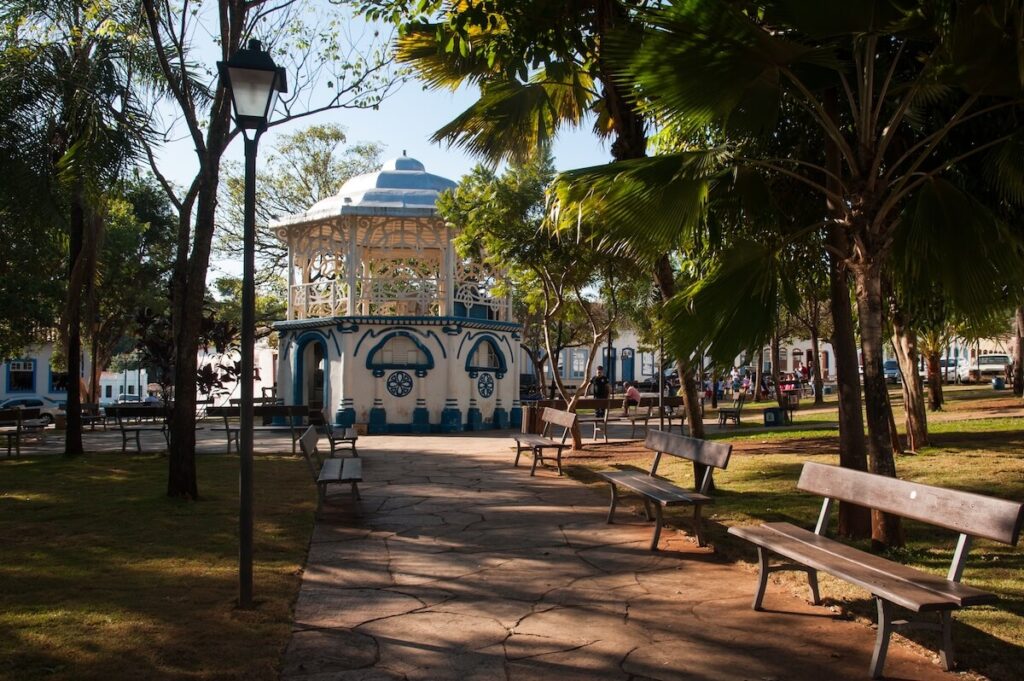
The Caipira dialect makes up a continuum that is spoken in large swaths of Brazil’s countryside, from western São Paulo to the central state of Mato Grosso, where the savanna meets the Amazon rainforest.
The term Caipira refers to the rural inhabitants of these areas, who are often associated with a simpler way of life and a strong connection to nature.
The dialect draws from the language of the bandeirantes, the pioneers who first occupied Brazil’s countryside in the 16th century. It also incorporates elements of the indigenous Tupi-Guarani language and African languages spoken by enslaved people.
The Caipira dialect is associated with traditional folk genres such as moda de viola and sertanejo, Brazil’s country pop. It is also considered a symbol of Brazilian identity, representing the country’s rural heritage and the resilience of its people.
7. Baiano dialect
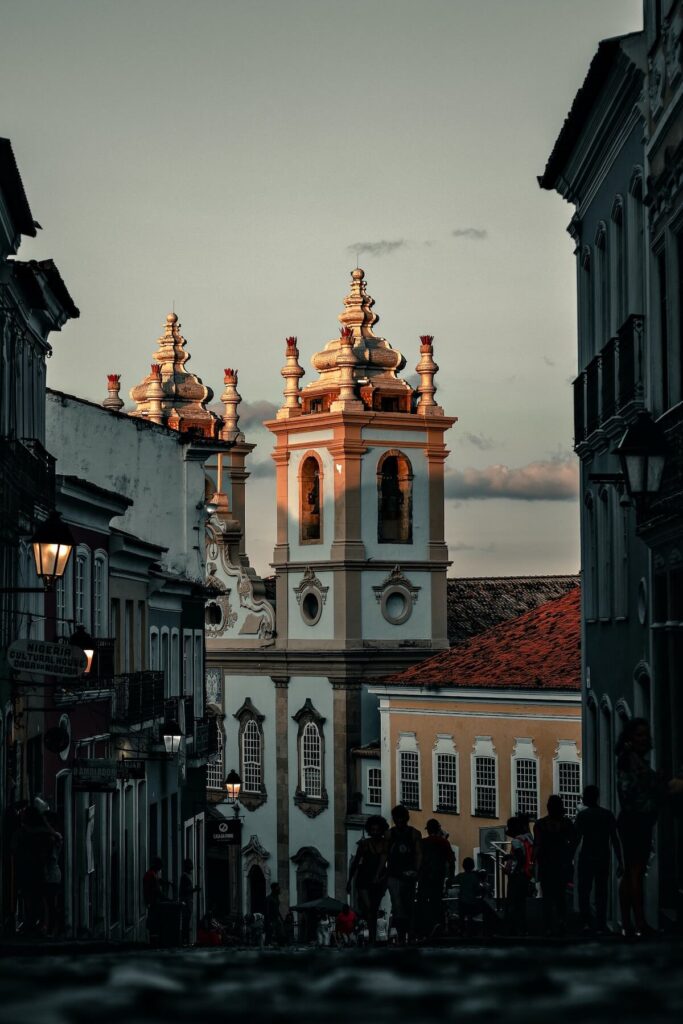
The Baiano dialect hails from the state of Bahia, located in northeastern Brazil. It boasts a distinct musicality and is considered one of the most recognizable and charismatic of all Brazilian Portuguese dialects.
Its rich cultural heritage was influenced by the state’s African-Brazilian roots. Its history can be traced back to the 16th century when the Portuguese first colonized the region.
Baianos uses a variety of slang words and expressions that are specific to the region, such as porreta (“awesome” or “badass”) and oxe (an exclamation of surprise or confusion).
The Baiano dialect, which is spoken by around 15 million people, has enormous cultural significance, particularly in music and dance, as the state is home to a stunning musical tradition.
8. Paulistano dialect

Paulistano is the lingo of the metropolitan area of São Paulo, one of the largest cities on Earth. It is a melting pot of various Portuguese dialects, mixed with indigenous and African influences, and features many variations with it.
Historically, São Paulo attracted immigrants from all over the world, and this diversity is reflected in the language spoken there.
As the city is an economic powerhouse and a cultural hub in Brazil, its dialect has a significant influence on Brazilian media and entertainment. The city is home to some of the biggest Brazilian television chains and many famous Brazilian musicians, actors, and writers.
One distinguishing feature of the Paulistano dialect is the use of mano, meaning “bro,” as a term of endearment among friends. Another distinct aspect is the pronunciation of R sounds, which typically sounds like the Spanish rolled R.
9. Gaúcho dialect
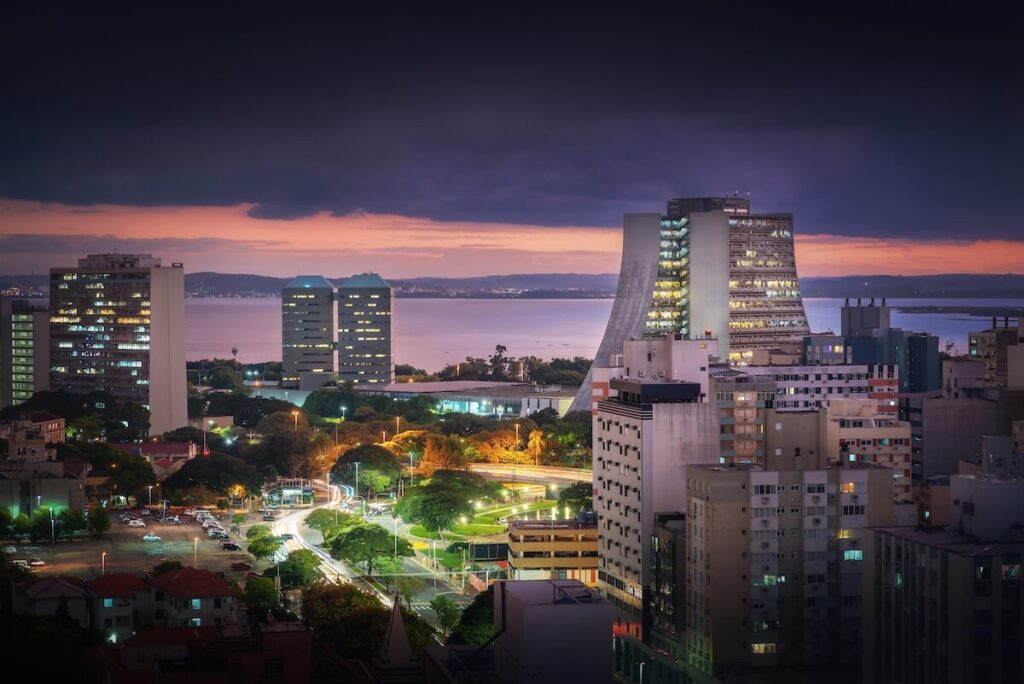
Brazil’s southernmost state, Rio Grande do Sul (pop. 11.5 million), and adjacent areas are where you’ll hear the Gaúcho dialect, which has its roots in the Portuguese spoken by the colonizers that arrived in the region in the 18th century.
Yet, thanks to the influence of the indigenous Guarani language and the Spanish spoken in neighboring Argentina and Uruguay, the dialect developed its own traits.
One of the most noticeable features of the Gaúcho dialect is the use of tu instead of você for the second person singular.
It also features vocabulary borrowed from Guarani and Spanish. For example, the word chimarrão is used to refer to the traditional South American drink made from yerba mate, which is popular in Uruguay and Argentina too.
10. Carioca dialect
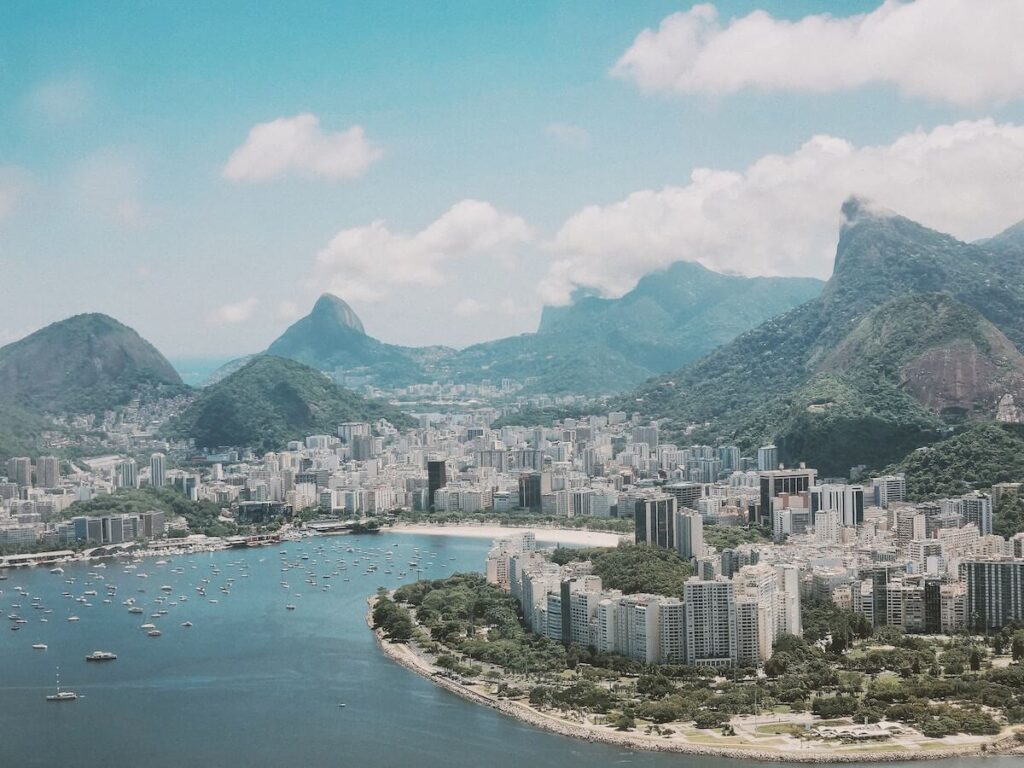
The Carioca dialect, aka how I speak Portuguese, originates in Brazil’s most iconic city, Rio de Janeiro. Historically, it emerged in Rio de Janeiro during the 19th century, as the city grew in importance as a cultural, economic, and political center.
One of the most distinctive features of the Carioca dialect is heavy its use of slang expressions — as well as its fair share of cursing.
Its intonation and rhythm, which is usually described as a drawl, perfectly match the city’s laid-back vibes and sea-facing setting.
Today, the Carioca dialect continues to play a major role in Brazilian culture, particularly in music, film, and literature. Many famous Brazilian artists, from Tom Jobim to Anitta, were born in Rio de Janeiro and have helped popularize the dialect around the planet.
African Portuguese dialects
11. Angolan dialect

Angolan Portuguese is the official language of Angola, a country in southwestern Africa. It has been heavily influenced by the indigenous Bantu languages.
It uses, for example, countless Kikongo and Kimbundu loanwords, which are two of the most widely spoken Bantu languages in Angola.
For example, the word chinelos (“flip-flops”) in Brazilian Portuguese is replaced with chinelas, which is derived from the Kimbundu xingela.
Today, around 70% of Angola’s 33 million people speak Portuguese as either their first or second language. It has helped foster a sense of unity among the country’s diverse ethnic groups.
12. Mozambican dialect

Mozambique is a country in Southeast Africa, with a population of over 31 million people, half of which speak Portuguese. It’s an extremely diverse nation, and its language reflects that.
The country was a Portuguese colony from the 16th century until 1975, so the language has been spoken there for centuries.
That said, Mozambican Portuguese has evolved significantly throughout the centuries. The influence of Swahili and local languages such as Makhuwa, and Sena led to the creation of the national dialect.
Mozambican Portuguese has incorporated many local words and expressions that are not used in other Portuguese-speaking countries. For example, chapa is used to refer to a shared cab.
The importance of Mozambican Portuguese lies in its ability to unite the diverse people of the country and serve as a symbol of the country’s history and culture.
13. Bissau-Guinean dialect
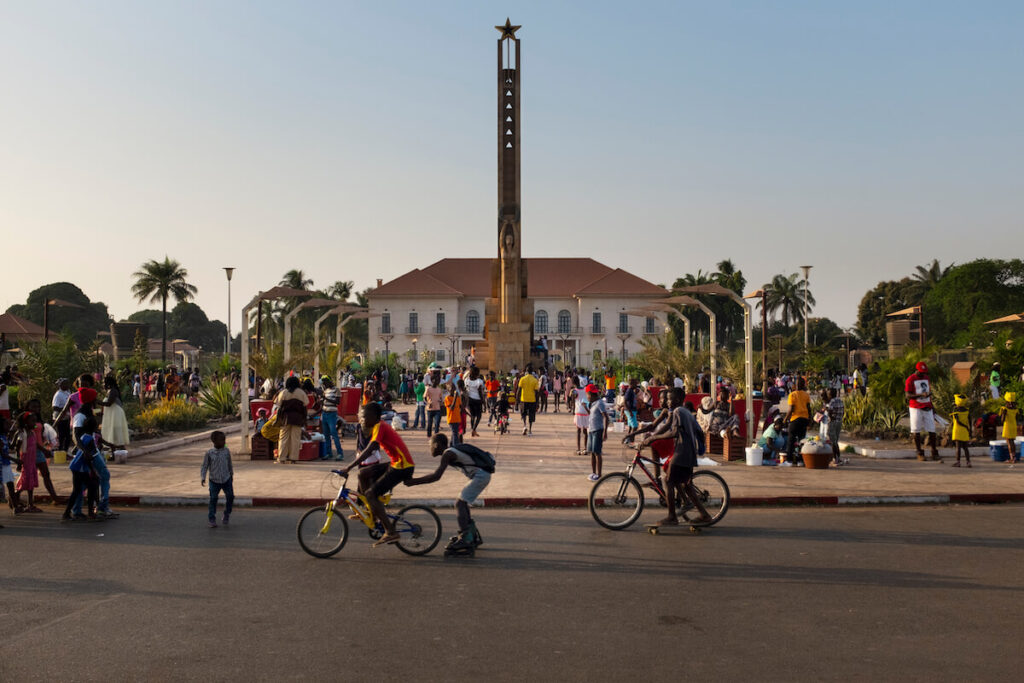
Bissau-Guinean Portuguese is spoken in Guinea-Bissau, a small country on the west coast of Africa. It was introduced to the region by Portuguese colonizers in the 15th century.
Yet, over time, it has evolved to incorporate elements of Creole languages and culture. For example, the Creole word matxi is used to mean “very” (muito in standard Portuguese).
On top of its use of Creole, Bissau-Guinean Portuguese also has unique pronunciations and intonations. For instance, native speakers often substitute the S sound with a “sh” one, resulting in words like sábado being pronounced as /shab’doo/.
As the nation’s official language, Guinea-Bissau’s dialect of Portuguese is a symbol of national identity and unity. It is used in government, education, and media, and is spoken by about 60% of its two million citizens.
Final thoughts

Alright, time to wrap it up! I hope this brief overview of the most spoken Portuguese dialects has been both informative and entertaining.
From the vibrant and musical Brazilian Portuguese to the charming and elegant European Portuguese, each dialect has its unique nuances, vocabulary, and cultural references.
Understanding the differences between European Portuguese, Brazilian Portuguese, and other dialects will expand your language skills, fair enough.
Yet it also offers a deeper insight into the rich history and traditions of the Portuguese-speaking countries, whether you want to learn Portuguese or not.