
Keeping up with your favorite idols may sometimes feel like a full-time job, but nothing makes you feel more like an “outsider” than missing the context of a fast-moving X thread or a live stream. Whether you’re here for the music or the linguistics, mastering K-Pop slang—the specific jargon used to describe idol behavior, fandom dynamics, and industry-specific phenomena—is the ultimate shortcut to feeling like a pro.

While I picked up most of these terms organically through years of stanning, I’m saving you the “muggle” confusion by laying them all out here.
This guide skips the basic K-Pop vocabulary some of you may already know, like “trainee” or “debut,” to focus on the modern slang that fans actually use daily. I’ve broken the list into categories so you can easily navigate everything from performance-specific quirks to the fascinating world of supporting your bias.
Fandom & bias dynamics
Understanding how fans interact is the first step to truly joining the community. This specific branch of K-Pop slang covers the complex, often hilarious ways we describe our favorite members and our sometimes-chaotic loyalty to them.
1. Bias wrecker
Your “ultimate bias” usually feels safe until a bias wrecker enters the picture. This is that one member who suddenly grabs your attention, making you question your entire loyalty to your favorite.
In Korean, fans use choi-ae (최애) for their top pick and cha-ae (차애) for their second favorite—essentially their wrecker. While the English term is a fan-made descriptor, the Korean versions are rooted in Hanja (choi meaning “best” and ae meaning “love”).
How to use it:
- I was a dedicated Jimin stan, but V is being a major bias wrecker this comeback.
- He’s not my choi-ae, but he’s definitely my cha-ae.
2. Hard stan
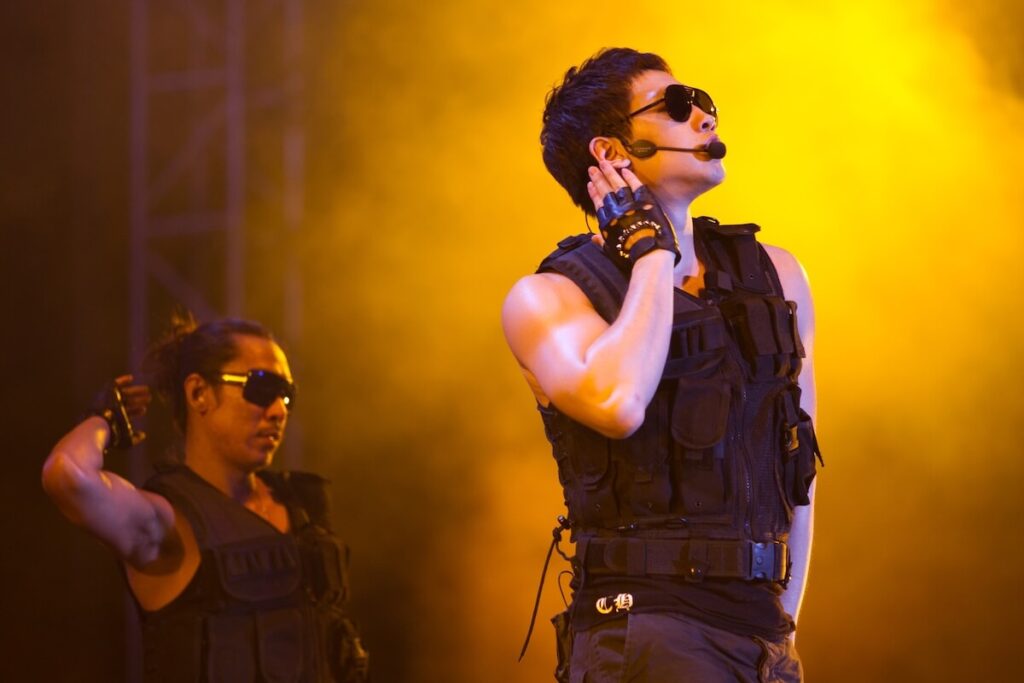
Not every fan is looking for “cute” moments; some are here for the high-intensity charisma.
A hard stan (하드스탠) is a fan who focuses on an idol’s powerful stage presence, mature concepts, and “cool” factor. It’s the perfect term for when an idol swaps their usual smile for a sharp, edgy performance that leaves the fandom breathless.
How to use it:
- That leather jacket stage was definitely for the hard stans.
- I’m usually a soft stan, but this choreo is making me go hard stan mode.
3. Soft stan
If a “hard stan” is all about the intensity, a soft stan (소프트스탠) lives for the cozy, heart-melting moments. These fans prioritize an idol’s wholesome side, like their gummy smile, oversized hoodies, or accidental clumsiness.
This K-Pop slang perfectly describes the “must-protect” energy we feel when our bias is just being naturally adorable or doing aegyo during a live stream.
How to use it:
- Seeing him play with puppies is soft stan heaven.
- I’m a total soft stan for this group; they’re just so precious.
4. Solo stan
Sometimes, one star shines so brightly that you don’t really look at the rest of the galaxy.
A solo stan is a fan who focuses exclusively on one member rather than supporting the entire group. In Korea, they are called gae-in paen (개인팬), which literally translates to “individual fan.”
Most solo stans are harmless—they just have a very specific favorite they want to cheer for!
How to use it:
- I’m a solo stan for the main vocal, but I still respect the group.
- Is she a group fan or a gae-in paen?
5. Akgae
While a solo stan is harmless, the akgae (악개) is where things get messy. Short for akseong gae-in paen (악성 개인팬), it literally means “malignant individual fan.”
Unlike someone who just has a favorite, an akgae actively attacks or belittles the other members to make their bias look better. It’s a K-Pop slang that warns the community about toxic behavior.
How to use it:
- That Twitter account is definitely an akgae; they keep trashing the leader.
- Stay away from akgae forums if you want to keep your fandom experience positive.
6. OT7 / OT5 / etc.
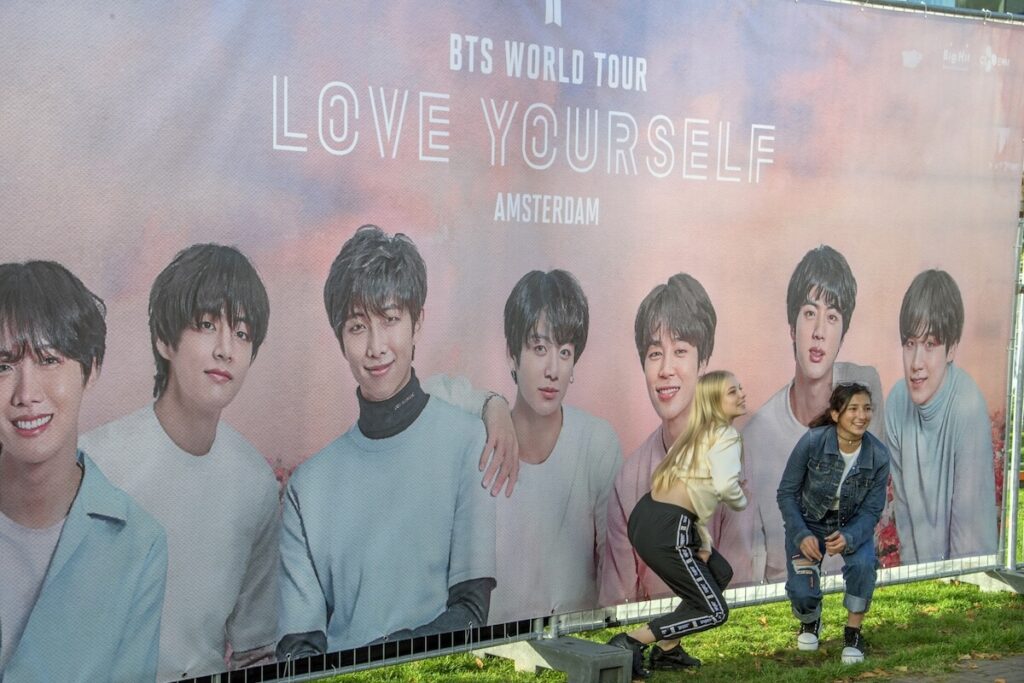
Whether you’re a newer fan or a seasoned veteran, seeing “OT” followed by a number is the ultimate sign of group harmony.
OT stands for “One True,” representing the total number of members you support—like OT7 for BTS. In Korea, this is often called oll-paen (올팬), a Konglish term for “all fan.” It’s used to show that while you might have a bias, your heart belongs to the entire lineup.
How to use it:
- I’m OT7 all the way; the group just isn’t the same if someone is missing.
- Are you a solo stan or oll-paen?
7. Multistan
Why settle for one favorite group when you can fall in love with all of them?
A multistan is a fan who balances multiple fandoms at once. In Korean, the term is jap-deok (잡덕), combining jap (mixed/various) and deokhu (the Korean word for “otaku” or obsessive fan).
This K-Pop slang perfectly captures that “a little bit of everything” fan energy—like how I am when I go from Super Junior to Day6 to EXO to Seventeen!
How to use it:
- Being a multistan is expensive, but my playlists are incredible.
- I used to be a solo fan, but now I’m a total jap-deok.
8. Local
Sometimes, the hardest part of being a fan is explaining your obsession to someone who has no idea what a “bias” even is.
In the international fandom, we call a non-fan a local. Interestingly, Korean fans use the term meo-geul (머글), directly borrowed from the Harry Potter world’s “muggle.” It’s a playful way to describe the general public who lives outside our magical K-Pop bubble.
How to use it:
- That performance went viral—even the locals are talking about it!
- My brother is a total meo-geul; he couldn’t name a single member.
Content & promotions
Once you’ve found your bias, it’s time to dive into the actual music and events. This K-Pop slang category covers everything from iconic stage moments to the unique ways fans interact with idols during a busy promotion cycle.
9. Killing part
Every track has that one lightning-strike moment that gets stuck in your head for days.
The killing part (킬링파트) is the absolute highlight of a song, whether it’s a high note, a specific dance move, or a charismatic facial expression. This term perfectly captures the “deadly” impact a performer has on the audience. It’s the part everyone waits for during a live stage and usually becomes the most shared clip online.
How to use it:
- Mingyu’s wink during the chorus was definitely the killing part of the performance.
- The bridge in this song is such a kil-ling pa-teu!
10. Ending fairy
The few seconds after the music stops can often be more iconic than the song itself. The ending fairy (엔딩요정) is the member chosen to stay in frame for a close-up as the performance concludes—cue the heavy breathing, winks, or shy smiles.
This Konglish hybrid combines “ending” with the Korean word for yojeong (fairy). It became a massive trend around 2016 and is now a staple of music show culture that fans eagerly anticipate.
How to use it:
- Did you see his ending fairy? That smirk was everything!
- She is definitely the group’s best ending yojeong.
11. Point choreography
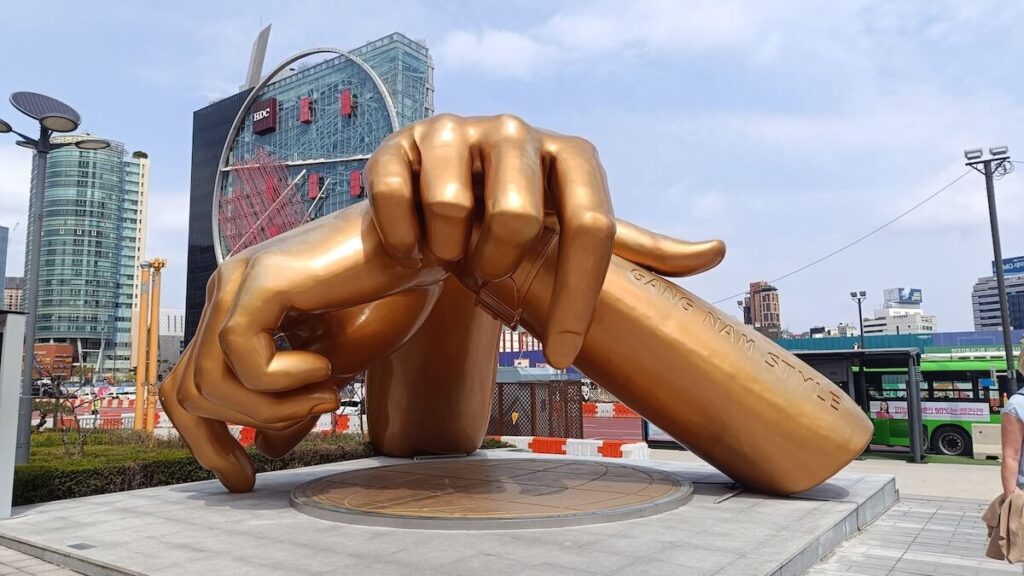
You don’t need to be a professional dancer to nail the most famous part of a K-Pop routine.
Point choreography, or po-in-teu an-mu (포인트 안무), refers to the specific, catchy “hook” move designed to be easily recognized and imitated by fans. This Konglish term pairs “point” with the Korean word for choreography.
These moves are marketing gold, often becoming viral dance challenges that help a song blow up globally. Psy’s “horse gallop” in Gangnam Style, Super Junior’s “hand rub” in Sorry, Sorry, and Blackpink’s “finger guns” in DDU-DU DDU-DU are all great examples of point choreography.
How to use it:
- The finger-tutting in that chorus is such iconic point choreography.
- I finally mastered the po-in-teu an-mu for the new Le SSerafim song!”
12. Selca

Forget the word selfie. In the K-pop world, it’s all about the selca (셀카). This quintessential Konglish term is a portmanteau of “self” and “camera.”
Whether they’re backstage or lounging at home, idols constantly drop these on platforms like Bubble or Weverse to keep fans fed. It’s arguably the most common piece of K-Pop slang you’ll encounter while scrolling through social media.
How to use it:
- Joshua finally posted a new selca after two weeks of silence!
- This mirror selca is going straight to my lock screen.
13. Fansign

Winning a spot at a fansign is the ultimate dream for many devotees. Short for paen-ssa-in-hoe (팬싸인회) and usually clipped to just paen-ssa (팬싸), this K-Pop staple describes events where fans chat face-to-face with idols while getting albums signed.
Originally held in person, the “video call fansign” became a global standard recently due to COVID-19, allowing international fans to talk to their favorites from anywhere in the world.
How to use it:
- I bought ten albums just to try for the fansign slot!
- Did you see the clips from today’s paen-ssa? The interactions were so sweet.
14. Fanservice
Sometimes the best part of a performance isn’t the music, but the little moments tailored just for the crowd. Fanservice (팬서비스) is a piece of K-Pop slang used when idols go out of their way to make fans happy, whether it’s through finger hearts, aegyo, or a quick wink at the camera.
This Konglish term highlights the unique, interactive bond between idols and their supporters.
How to use it:
- He gave so much fanservice at the concert last night; he high-fived everyone!
- The paen-seo-bi-seu during that live stream was top-tier.
15. Hi-touch
If you’ve ever wanted to literally reach out and touch stardom, this is one of the most interesting parts of K-pop concert culture. A hi-touch (하이터치) is a high-speed event where fans walk past their idols to give them a quick high-five.
While high-fives are a common greeting in most parts of the world, it’s a high-adrenaline fan experience in K-Pop. While it only lasts a split second per member, the memory of that brief connection usually lasts a lifetime.
How to use it:
- I was so nervous during the hi-touch that I almost forgot to say hi!
- The VIP ticket includes a soundcheck and a ha-i-teo-chi session.
16. Nugu
Every superstar starts somewhere, but in the K-pop world, some groups begin in total obscurity.
Nugu is the Korean word for “who” (누구), and fans use it to describe underrated groups or those from tiny agencies that haven’t hit the mainstream yet. While it can be used dismissively by antis (anti-fans or detractors), many fans wear it as a badge of honor, proudly supporting “nugu” groups in hopes they’ll eventually have their big breakout moment.
How to use it:
- They might be a nugu group now, but their discography is actually flawless.
- I love discovering talented nugu artists before they blow up.
Fan actions & communication
In the K-pop world, supporting your favorite group is a team sport that requires some serious coordination. This K-Pop slang section dives into the specific ways stans organize, communicate, and cheer, from perfectly timed shouts to the darker side of obsession.
17. Streaming party

When a new track drops, the fandom transforms into a digital army with a single goal: hitting #1. One way the fandom meets this goal is through a streaming party, a coordinated event where fans play a song or video on repeat to boost chart rankings.
In Korea, this is called seu-ming (스밍), a shortened version of “streaming.” It’s a collective effort that turns casual listening into a strategic mission, ensuring the group gets the recognition—and the music show wins—they deserve.
How to use it:
- Is anyone joining the streaming party on YouTube tonight?
- Don’t forget to keep your seu-ming playlists running while you sleep!
18. Comeback guide
Collect on voting apps you can handle, and join voting and streaming teams if you can—but you can also stream on your own.^^ Don’t hesitate to ask for help if you need a guide. Let’s prepare for the comeback, and get that encore!
— 4A3 #TREASURE JUNE COMEBACK (@gagmasah1) April 30, 2026
🗓️ June 1 Comeback#TREASURE #트레저 #トレジャー pic.twitter.com/41vnWAsbCR
Navigating a new release can feel like preparing for a final exam, and that’s where the comeback guide (컴백 가이드) comes in.
This K-Pop slang refers to a fan-made manual that breaks down everything from voting on music shows to the most effective streaming methods. Since the K-pop industry relies heavily on complex chart data, these guides are essential for international stans who want to help their favorites take home a trophy.
How to use it:
- Has the fanbase dropped the comeback guide for next week’s release yet?
- I’m reading the keom-baek ga-i-deu so I don’t mess up my votes.
19. Fanchant
If you hear a crowd shouting in perfect sync during a song’s bridge, you’re witnessing the power of a fanchant.
Known in Korean as eung-won-beop (응원법), or “cheering method,” these are organized lyrics and member names shouted by fans to support the group during live stages. It’s a core part of the concert experience.
Seventeen’s iconic fanchant for Getting Closer is legendary for being a tongue-twister that requires some serious practice!
How to use it:
- I need to memorize the fanchant before the concert next month.
- The eung-won-beop for this comeback is so fast, my lungs are burning!
20. All-kill
[DOUBLE REAL TIME ALL-KILL] #AKMU 01PM KST Update:
— El Gato (@akmu_njz) April 15, 2026
"Joy, Sorrow, A Beautiful Heart"
#1 MelOn (=)
#1 Genie (=)
#1 Flo (=)
#1 Bugs (=)
"Paradise of Rumors"
#2 MelOn (=)
#2 Genie (=)
#2 Flo (=)
#2 Bugs (=) pic.twitter.com/qCGEfD9Sto
Topping the charts is impressive, but dominating every single one at the same time is legendary. That’s what an all-kill.
An all-kill (올킬) happens when a song hits the #1 spot on all major Korean real-time music charts simultaneously. This term is the ultimate seal of approval from the general public.
There are even levels to it, like a “Certified All-Kill” or the prestigious “Perfect All-Kill” (PAK) for staying on top of the daily and weekly rankings too.
How to use it:
- They just achieved an all-kill only two hours after the album dropped!
- I knew this song would be a hit, but I didn’t expect an ol-kil so fast.
21. Sasaeng
There is a very thin line between dedication and obsession, and the sasaeng or sasaeng-pen (사생팬) crosses it every time.
Short for sasaenghwal (private life) and paen (fan), this term describes stalkers who invade an idol’s privacy by following them to dorms or booking the same flights. While they call themselves fans, the community widely condemns them for their toxic behavior. In the K-pop world, being labeled a sa-saeng paen is the ultimate mark of disgrace.
How to use it:
- Security had to step in because a sasaeng found out their hotel room number.
- The group’s agency is finally taking legal action against those sa-saeng-paen.
22. Scanned/scans
Not everyone can get their hands on a physical album, which is where the community really comes through. Scans, or seu-kaen (스캔), are high-resolution digital copies of photobooks, magazines, or photocards shared by fans online.
Since K-Pop is such a visual medium, these digital uploads allow international fans to enjoy the aesthetic of a “comeback” without the shipping fees. It’s a labor of love that keeps the fandom’s social media feeds looking flawless.
How to use it:
- I’m waiting for the high-res scans of the ‘V’ version of the photobook.
- The seu-kaen from this month’s Vogue Korea are absolutely stunning.
Specialized terminology
To understand the inner workings of a group, you need to master these K-Pop slang terms. This section covers the specific roles and terms—from age hierarchies to debut eras—that define how idols are branded and perceived.
23. Center
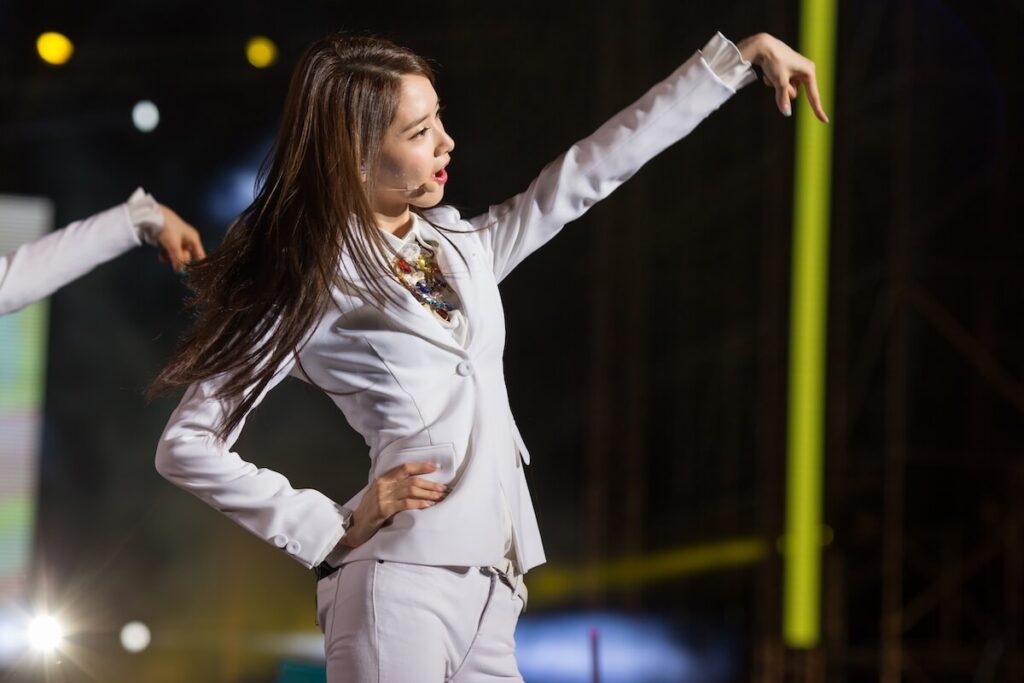
In every group, there is one spot that captures the eye more than any other. The center (센터) is the member positioned in the middle during dance breaks, music video highlights, or official photos.
While most members rotate positions, being the “official” center means you’re often the face of the group’s specific concept. It’s a high-pressure role that requires a magnetic stage presence to anchor the entire performance and leave a lasting impression on the audience.
How to use it:
- She really owned the center position during that dance break.
- The group’s sen-teo has such incredible charisma on stage.
24. Visual
While every idol is undoubtedly talented, some are specifically recruited to be the face of the group. The visual (비주얼) is this member, the one designated as the most traditionally attractive according to Korean beauty standards.
This term isn’t just about vanity; it’s a strategic role meant to draw in the public and land lucrative brand deals. It’s common for a group to have a “visual line” consisting of several members who all fit this aesthetic ideal perfectly.
How to use it:
- He’s not just a visual; his vocals are actually insane!
- The bi-ju-eol of that rookie group is already trending on social media.
25. Face of the group

While every member plays a part, there is usually one person the general public recognizes before anyone else. Known as the face of the group (그룹의 얼굴), this member is the “go-to” representative for variety shows and public appearances.
Unlike the visual, who is chosen for looks, the face is often picked for their outgoing personality or unique charms. They act as the gateway, drawing new fans in so they can eventually discover the rest of the members.
How to use it:
- Seungkwan is definitely the face of the group since he’s on every variety show lately.
- Even non-fans know her; she’s the geu-rup-ui eol-gul for a reason.
26. Maknae on top
In the strict hierarchy of Korean age culture, it’s usually the oldest who leads—but some groups have a youngest member who clearly missed that memo.
Maknae on top (막내 온 탑) describes a youngest member who playfully bosses around their older groupmates. While maknae is a traditional Korean term, adding “on top” creates a fun slang for these powerful maknaes who rule the dorm despite being the babies of the family.
How to use it:
- Their youngest just made the leader do the dishes—pure maknae on top energy.
- He’s definitely a maknae on top; the older members are actually a little scared of him!
27. Evil maknae
Being the baby of the group usually comes with rules, but an evil maknae lives to break them.
While “maknae on top” describes overall influence, an evil maknae—or sil-se mak-nae (실세 막내) in Korean—specifically thrives on playfully teasing or “bullying” their older members. This archetype became a fan favorite because it flips traditional age hierarchies on their head, proving that sometimes the youngest member is actually the one pulling all the strings.
How to use it:
- Did you see him roast his leader again? Total evil maknae behavior.
- She’s a classic sil-se mak-nae; she never lets the older girls win a game.
28. Ending pose

After the music fades and the lights dim, the final few seconds of a stage are often the most memorable. The ending pose (엔딩 포즈) is the stylized, frozen position idols hold at the very end of a performance.
This term has become a huge part of K-pop culture, as it’s the moment when the “ending fairies” get their close-ups. Fans love to see who gets the spotlight and what unique expression or gesture they’ve prepared to finish the show.
How to use it:
- Her ending pose was so charismatic, it’s definitely going to go viral.
- The group’s en-ding po-jeu for this comeback is so much more powerful than the last one.
29. Generation (1st Gen, 4th Gen, etc.)
The history of K-pop isn’t measured in years, but in eras that define the entire industry’s sound and style.
A generation (세대) refers to the specific time period a group debuted, helping fans categorize K-pop’s evolution. We’ve come a long way from the 1st Gen pioneers like H.O.T. to the global dominance of 4th Gen groups like Stray Kids and ITZY. While the exact start dates are often debated by fans, each se-dae brings new trends and technology to the stage.
How to use it:
- Which 4세대 (4th Gen) boy group do you think has the best discography?
- The 2nd Gen and 5th Gen vibes are so different, but I love them both!
30. Survival show
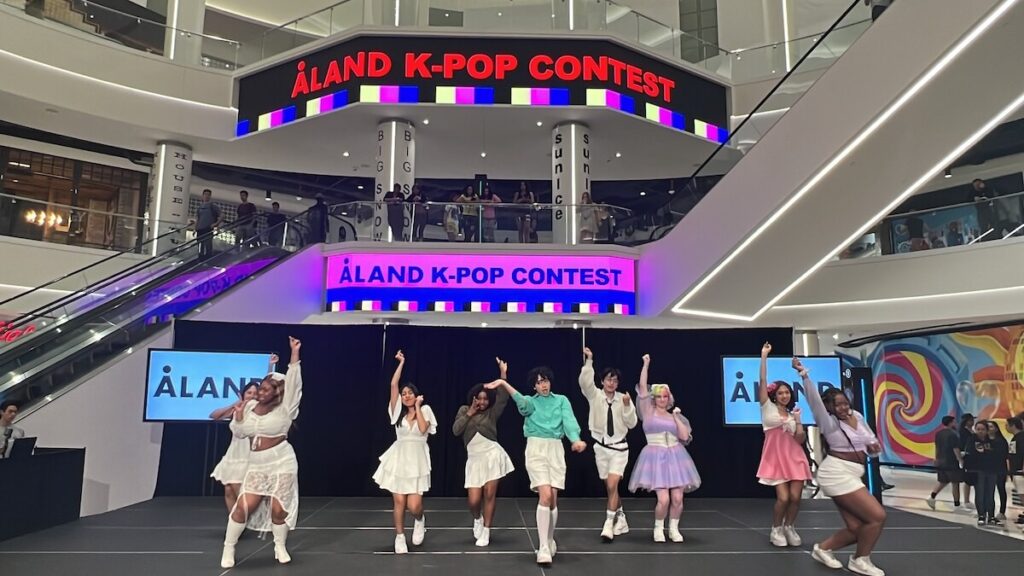
Nothing tests a fandom’s emotional resilience quite like a survival show (서바이벌 프로그램). These reality competitions, like the Produce series or I-LAND, pit trainees against each other to secure a spot in a new group.
While the drama can be intense, it’s where fans first connect with their favorites before they even debut. Whether the resulting group is temporary or permanent, these shows have become the industry’s favorite way to build a massive, dedicated fanbase from day one.
How to use it:
- I promised I wouldn’t watch another survival show, but the trainees this season are too talented.
- Is your bias from a seo-ba-i-beol peu-ro-geu-raem, or were they part of a pre-debut lineup?
Wrap up
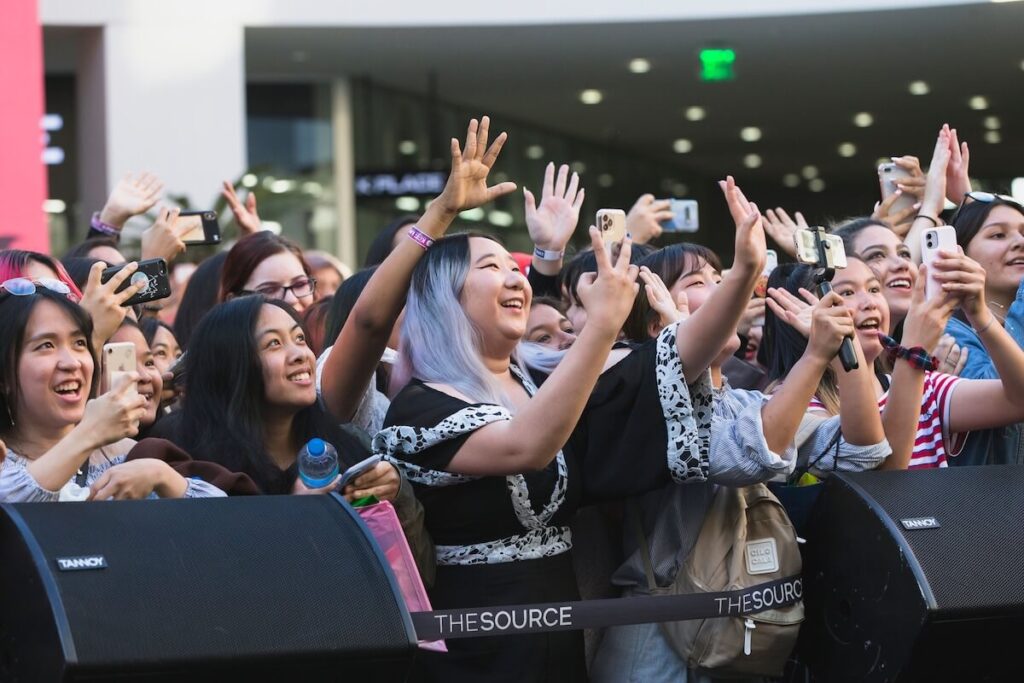
Mastering K-Pop slang goes beyond memorizing words—it’s about connecting with the global community. Try dropping these terms into your next fan chat or concert meetup to see how much more natural your conversations feel.
Which of these did you already have in your vocabulary? If you’re hungry for more, check out our favorite Korean learning resources to keep leveling up your skills. Happy stanning and even happier studying!