
*This article may contain affiliate links. For full information, please see the disclaimer here.
Great Portuguese listening skills are essential for anyone who wants to communicate effectively in Portuguese. Whether you’re a student, a traveler, or a language aficionado, working on your listening will open up a whole new world of possibilities.

In this post, I’ll share 10 amazing tips that will help you improve your Portuguese listening skills. These tips are based on my experience as a native Portuguese speaker (and language learner) and on what experts in the field have to say about it.
Along the way, I’ll also provide you with some precious resources that you can use to get started. So read on and find out how you can turbocharge your Portuguese listening skills today.
Why you should engage in Portuguese listening practice

Listening is one of the most important skills for any language learner. It’s the foundation of all communication, and it’s essential for understanding what people are saying to you.
If you can’t understand what people are saying, you’ll have a hard time participating in conversations, following instructions, or diving into the culture of Portuguese-speaking nations.
There are a few reasons why Portuguese learners should focus on their listening skills. First off, Portuguese is a very phonetic language, which means that the way words are pronounced is very closely related to the way they are written.
This makes it relatively easy to learn how to pronounce Portuguese words correctly, but it also means that you need to be able to hear the difference between similar-sounding words.
Secondly, Portuguese has a lot of regional dialects. That means that the way Portuguese is spoken can vary a lot from region to region. If you want to be able to understand Portuguese speakers from all over the world, you need to be able to listen to different dialects.
Finally, Portuguese is a very fast-paced language, so you need to manage to listen carefully and quickly in order to understand what people are saying. Unless you get used to fast-paced speech, you’re going to have a hard time keeping up.
Why you should practice both active and passive listening
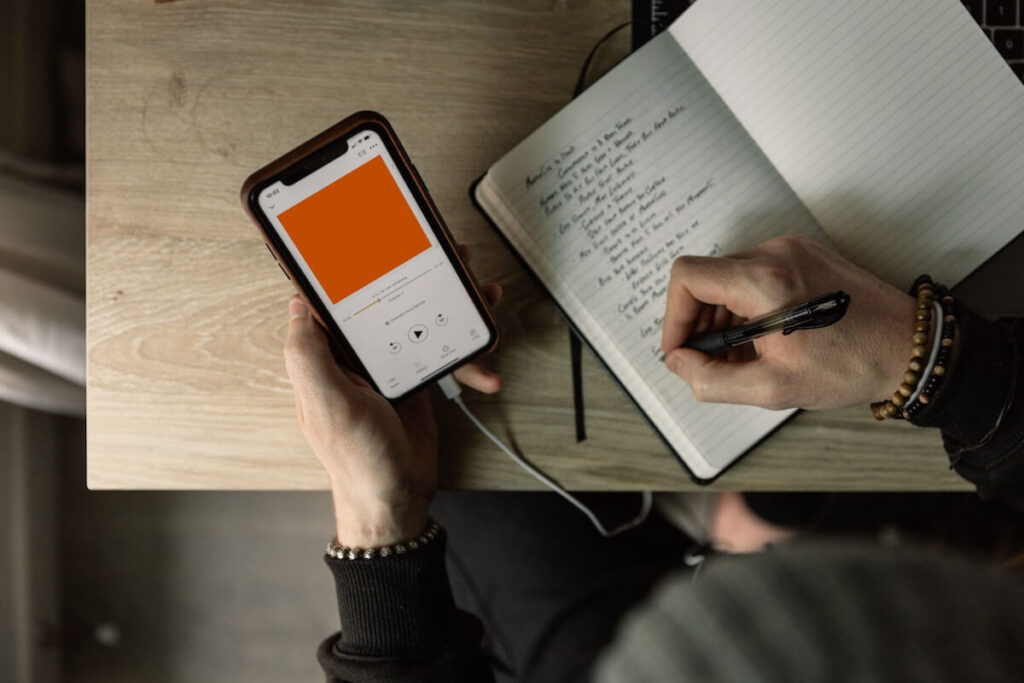
Active listening is when you focus your full attention on what someone is saying. You listen for the meaning of the words, as well as the tone of voice and body language.
Practicing active listening is a fantastic way to improve your Portuguese comprehension skills and your ability to understand different dialects and accents.
Passive listening, in turn, can be done while you are doing other things, such as watching a movie or TV show or listening to music in Portuguese. It’s ideal for getting used to the sound of the language and picking up new vocabulary.
Both active and passive listening are important for Portuguese learners (and language learners in general), as they complement one another.
While active listening is more demanding, it is also more effective for improving your listening skills. Passive listening is less efficient, but it is still an extremely valuable strategy, especially as you’re busy cooking or exercising, for example.
Top ways to hone your Portuguese listening skills
1. Take audio lessons.

Audio lessons are a game-changer for honing your Portuguese listening skills. Forget about boring textbooks and dry grammar drills—with audio courses, you’ll dive headfirst into authentic conversations, hearing Portuguese as it’s spoken by real native speakers.
The magic of audio lessons lies in their ability to immerse you in the sounds of the language. You’ll catch those subtle nuances, different accents, and colloquial expressions that textbooks simply can’t teach you.
What’s more, they provide you with a gradual learning experience, starting with the basics and gradually moving to more advanced concepts.
Two wonderful options you’ll want to check out are Pimsleur and Rocket Portuguese. These audio-based language courses are designed to make learning enjoyable and effective. The best part? You can fit both apps into your daily routine seamlessly.
2. Attend online conversation classes.

Picture this: you join a virtual classroom, and there you are, face-to-face with a native Portuguese tutor. No more listening to robotic audio—it’s all about real people, real accents, and real conversations. You’ll quickly get used to the rhythm and melody of spoken Portuguese.
The beauty of online conversation classes lies in the undivided attention you receive. Unlike traditional language courses, these classes cater to your specific needs and interests. Your tutor will adapt the lessons to your level, making sure you grasp the material at your own pace.
On platforms like italki and Preply, you can browse through a wide selection of experienced tutors, read reviews, and even take trial lessons before committing. It’s like dating, but for finding your ideal language guru!
Also read: 11 Best Websites for Portuguese Lessons Online With Tutors
3. Chat with language exchange partners.

Unlike language courses, which can feel too strictly structured for some people, talking with a partner allows you to encounter the language as it’s actually spoken in everyday life.
You’ll pick up colloquial expressions, slang, and cultural nuances that textbooks often miss. It’s like immersing yourself in the heart and soul of Portuguese.
Plus, language partners understand that learning a new language can be challenging, so they’ll gladly slow down, repeat, and clarify until you feel comfortable. No judgment, no pressure, just a supportive buddy cheering you on as you navigate through Portuguese.
And on top of that, finding language conversation partners is easier than you might think. Apps and websites like Tandem and HelloTalk offer an assortment of language exchange opportunities.
You can connect with native Portuguese speakers who are learning your native language—it’s a beautiful exchange of knowledge and culture.
4. Learn with apps that use the voices of native speakers to teach you Portuguese.

Portuguese learning apps like Mondly and Memrise, which use the voices of native speakers in their lessons, expose you to the beauty of the language in its most natural form, helping your ears become attuned to the real-life flow of Portuguese.
They offer interactive lessons, from vocabulary to dialogues, all spoken by real people with real accents. You’ll pick up on nuances and expressions that only native speakers can provide, making your language journey not only more authentic but also more enjoyable.
Here’s the best part: you can take these language mentors anywhere you go. Whether you’re on the bus, waiting in line, or just chilling at home, all you need is your smartphone, and you’ll have access to native speakers guiding you through the intricacies of Portuguese.
5. Explore the whole range of dialects and accents.

Portuguese, just like English or any other language, has dozens of regional dialects and accents that reflect the diversity of its speakers.
By exposing yourself to different dialects and accents, you’re giving your ears a full-on workout. Sure, it might be a bit challenging at first, but trust me, it’s worth it!
You’ll become more adaptable and in tune with the different ways people speak Portuguese, whether it’s the vibrant tones of European Portuguese, the sweet sounds of Brazilian Portuguese, or the unique accents from Portuguese-speaking countries in Africa.
Exploring these various dialects and accents will not only enhance your listening skills but also broaden your cultural understanding. You’ll gain insight into the histories, traditions, and local expressions of different Portuguese-speaking communities.
Starting your dialect journey, by the way, is easier than you think. You can watch movies, listen to music, follow podcasts, or even join language exchange groups with native speakers from different regions. Use every resource that suits your needs!
Also read: 10 Key Differences Between Brazilian and European Portuguese
6. Test your skills and challenge yourself.

Testing your skills can be an exciting and rewarding experience that pushes you to new heights in your language journey. It’s also a powerful way to track your progress.
Take online listening comprehension quizzes or challenge yourself with dictation exercises. Think of it like a friendly challenge with yourself. By assessing your listening abilities regularly, you’ll uncover your strengths and identify areas that need a little extra love.
One way to test yourself is by finding materials at your current level and gradually moving up. Start with beginner-friendly dialogues, podcasts, or videos, and as you feel more comfortable, move on to intermediate or even advanced content.
Testing is a process, not a one-time event. As you continue to test yourself regularly, you’ll build confidence, enhance your comprehension, and unlock a whole new world of Portuguese language content.
7. Use your interests and passions to learn Portuguese.

That’s right—immerse yourself in topics that ignite your curiosity and enthusiasm, and you’ll see your Portuguese listening skills soar.
When you’re genuinely passionate about something, you tend to pay more attention, don’t you? So why not apply that same principle to your language-learning journey?
Watch videos on YouTube or streaming platforms about your favorite hobbies or topics in Portuguese. It could be a cooking channel with mouthwatering recipes, travel vlogs exploring the beauty of Portugal or Brazil, or even gaming tutorials in Portuguese.
Remember, the goal is to make learning enjoyable and relatable. When you connect with the content you’re consuming, it won’t feel like studying; it’ll feel like indulging in your interests while learning Portuguese on the side.
8. Switch your apps and devices to Portuguese.

By changing the language settings on your smartphone, computer, and even social media platforms to Portuguese, you’ll immerse yourself in the language and create a daily learning environment.
Think about how often you use your phone: it’s practically an extension of yourself, right? Now imagine seeing everything in Portuguese—your texts, notifications, and even app interfaces.
This constant exposure to the language will help you recognize common words and phrases faster and improve your overall language comprehension.
Social media can be your secret language learning weapon too. Follow Portuguese-speaking accounts and hashtags related to your interests. Whether it’s fashion, travel, or fitness, you’ll encounter authentic language use and real-life expressions in your favorite topics.
9. Jam to your favorite music in Portuguese.

First things first: music is fun! Listening to catchy beats and beautiful melodies makes language learning enjoyable and keeps you motivated.
Now, let’s talk about exposure. Portuguese music introduces you to authentic pronunciation and natural intonation. You’ll hear how native speakers actually talk, and that’s pure gold for improving your listening comprehension.
From the electrifying Brazilian funk to the nostalgia-evoking fado, the diversity of genres in Portuguese music offers a delightful variety of accents and regional flavors.
Here’s a pro tip—try translating the lyrics yourself. That’s a superb way to practice your language skills and deepen your understanding of the song’s meaning. You’ll feel like a detective deciphering the secret code of words and emotions.
10. Use any downtime to your advantage.

Imagine you’re waiting in line at the grocery store, stuck in traffic, or simply taking a short break from work or study. Instead of zoning out or doomscrolling endlessly on your phone, why not make the most of these moments to improve your Portuguese listening?
Portuguese podcasts, for instance, are available on countless topics. You can tune in and absorb Portuguese like a language sponge. Whether it’s a thrilling crime mystery or a laid-back chat show, they are an excellent way to expose yourself to different accents, vocabulary, and real-life conversations.
Remember those books you’ve been meaning to read but never found the time? Cue in audiobooks, another marvelous tool for honing your listening skills and immersing yourself in Portuguese literature or non-fiction.
Oh, and let’s not forget about YouTube. It’s not just for funny cat videos—from language learning channels to travel vlogs, cooking shows, and music videos, YouTube offers a vast range of listening materials to keep you engaged and entertained.
Final thoughts

While improving your Portuguese listening skills takes time and commitment, it’s definitely worth the effort. With a little practice, you’ll understand native Portuguese speakers like a pro.
Here are some final thoughts to keep in mind:
Be patient. It takes time to develop good listening skills. Don’t get discouraged if you don’t see results immediately. Just keep practicing and you’ll eventually get there.
Have fun. Learning a new language should be enjoyable. If you’re not having fun, you’re less likely to stick with it. So find ways to make learning Portuguese exciting for you.
Don’t be afraid to make mistakes. Everyone makes mistakes when speaking a language—even native speakers. The important thing is to learn from your mistakes and keep practicing.