
*This article may contain affiliate links. For full information, please see the disclaimer here.
Hey there! Are you ready to dive into the exciting world of teaching Spanish to kids? ¡Vamos! Whether you’re a parent, educator, or language enthusiast, helping children learn Spanish is not only beneficial but also incredibly fun.

So In this post, we’ll explore 15 great tips on how to teach Spanish to kids that will make your Spanish-teaching journey a breeze and create a vibrant language-learning experience for the little ones.
Why teach Spanish to preschoolers and older kids?
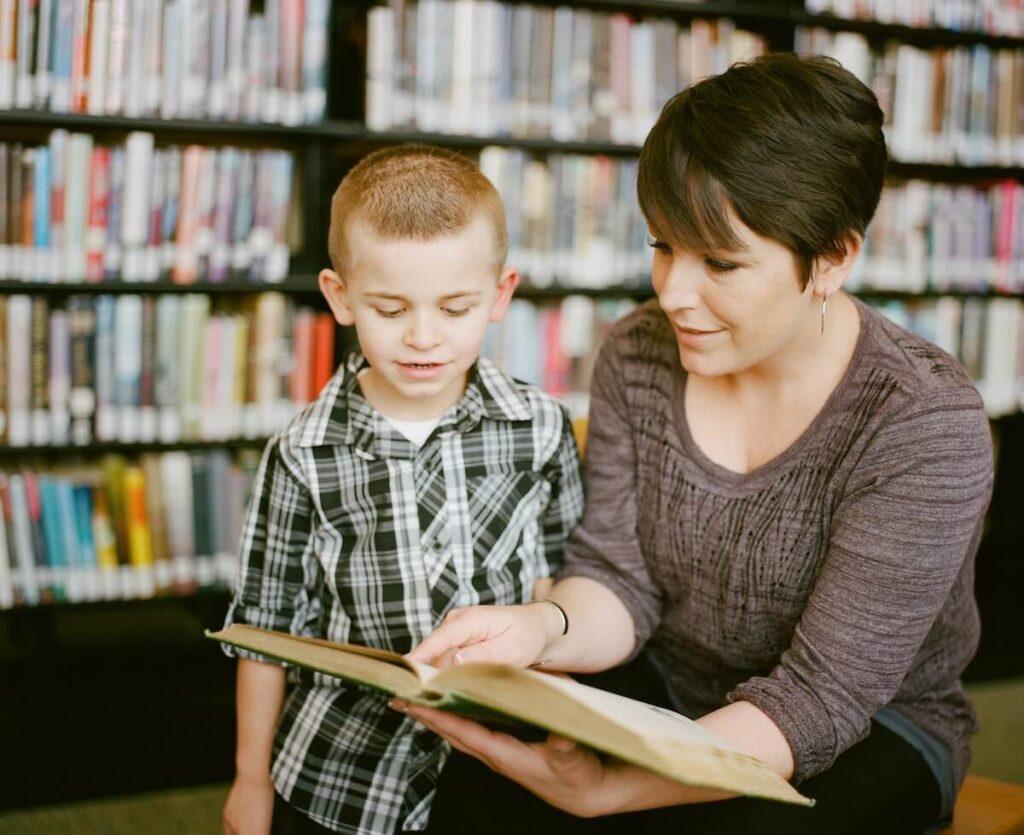
Teaching Spanish to preschoolers and older kids offers a host of benefits that go beyond language acquisition. It’s an exciting and enriching experience that can have a profound impact on their cognitive, social, and cultural development.
First and foremost, learning Spanish at a young age enhances cognitive development. Research has shown that bilingual children exhibit enhanced problem-solving skills, improved memory, and better multitasking abilities.
Then, teaching Spanish to kids introduces them to a diverse and fascinating world of cultures. Spanish is spoken in many countries, each with its own unique traditions, customs, and celebrations.
By immersing children in the Spanish language, you expose them to different perspectives and foster cultural awareness and empathy.
Lastly, learning Spanish can provide lots of practical advantages for children. As the second most widely spoken language globally, proficiency in Spanish opens up doors for future academic and career opportunities.
Pro tip: If you’re thinking of teaching Spanish long-term, invest in a good ELE course in reputable sites like the International Open Academy to get certified.
What is teaching children Spanish like?

Teaching Spanish to children is a dynamic and interactive experience that requires a mix of creativity, patience, and a sense of fun. It’s all about making language learning enjoyable and engaging for kids.
To begin with, it’s important to create a positive and welcoming environment for learning. Children thrive when they feel comfortable and supported.
Incorporating games, songs, and other offbeat Spanish lesson ideas into your learning sessions is a fantastic way to capture their attention and keep them motivated.
One of the keys to teaching Spanish to children is repetition. Kids learn through repetition and reinforcement, so incorporating daily practice and review into your teaching routine is essential.
It’s also crucial to adapt your teaching style to suit the age and learning preferences of the children you’re working with.
For preschoolers, hands-on activities, visual aids, and interactive play are highly effective. As children grow older, you can introduce more structured lessons, reading exercises, and conversations to develop their comprehension and speaking skills.
Tips on how to teach Spanish to kids
1. Go easy on them.
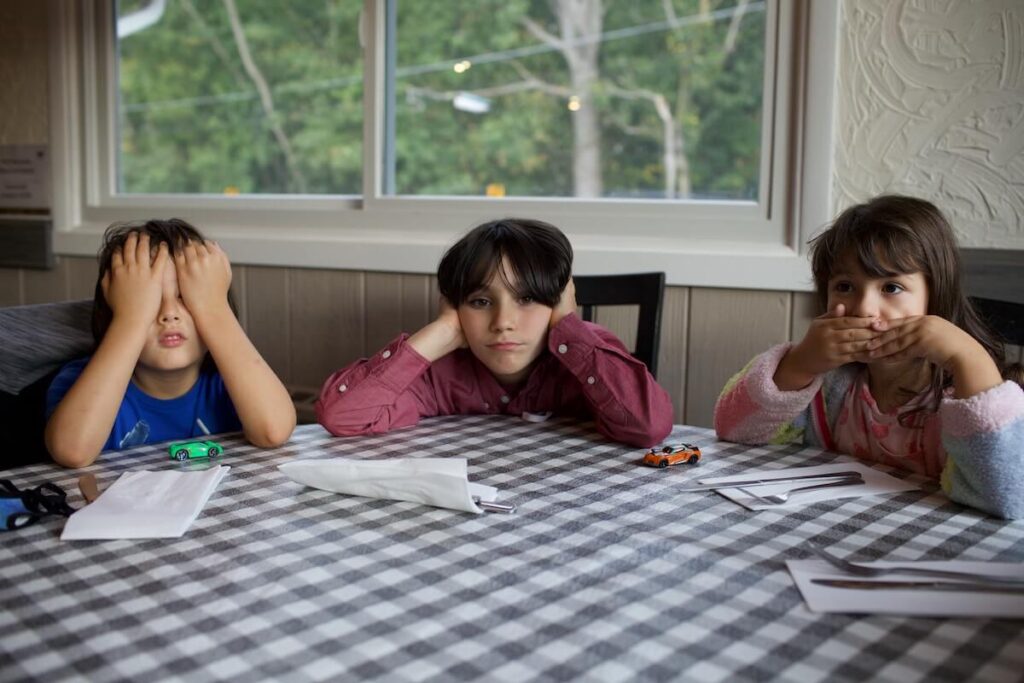
Setting realistic goals and not pushing too hard will allow the kids to build confidence in their language skills. Learning a new language can be intimidating, especially for young learners.
By adopting a gentle and patient approach, you create a safe space where kids feel comfortable making mistakes and expressing themselves.
Secondly, it reduces stress and creates an enjoyable learning experience. Learning a language should be fun and engaging for kids. By avoiding excessive pressure and focusing on interactive activities, games, and songs, you can make the language-learning process a lot more productive.
2. But be consistent.

Consistency is key when teaching Spanish to kids. By creating a routine, you provide a solid foundation for their language learning journey.
It’ll help children develop a sense of structure. Learning a new language requires regular practice and exposure. By establishing a schedule and sticking to it, children know what to expect and when to engage in Spanish learning activities.
Consistency also enhances memory and retention. When children are exposed to Spanish consistently, their brains are better able to absorb and retain the information. Regular practice reinforces language concepts, vocabulary, and grammar rules, making them more likely to stick.
3. Show enthusiasm.

Let’s face it, enthusiasm is contagious. When children see their teacher genuinely excited and passionate about teaching Spanish, it sparks their own curiosity and interest.
Your attitude will set the tone for the entire learning experience and motivate children to actively participate and engage with the language. They’ll become more receptive to learning and eager to explore the world of Spanish.
What’s more, enthusiasm can enhance children’s self-esteem. When they see that their efforts are met with genuine excitement and encouragement, it boosts their confidence in their language abilities.
4. Weave Spanish into their routine.

Integrating Spanish into children’s daily lives is a powerful and effective way to enhance their language learning experience, as it helps create a language-rich environment.
When children are exposed to Spanish consistently throughout their day, they have more opportunities to hear, practice, and reinforce their language skills. It becomes a natural part of their lives, making language learning more seamless and enjoyable.
You’ll make language learning practical and relevant as well. Children see how Spanish can be used in real-life situations, which enhances their understanding and retention of the language.
Plus, this language-rich environment will reinforce vocabulary and language structures. Through repetition and consistent exposure, children become more familiar with Spanish words, phrases, and sentence structures.
5. Take an unusual approach to testing.

Traditional testing methods often create anxiety and pressure in children. By introducing unique and engaging assessment techniques, you can alleviate stress and make the testing experience more enjoyable.
An innovative take on testing allows for a more holistic evaluation of children’s language skills. Instead of relying solely on written exams or quizzes, you can incorporate interactive activities, games, and projects that assess various aspects of language acquisition.
It can also foster creativity and critical thinking skills. By designing tasks that require problem-solving, role-playing, or creating their own stories, children are encouraged to think outside the box and apply their language knowledge in practical and imaginative ways.
6. Make engaging videos a key part of it.

If you know the first thing about children, you’ve noticed videos capture their attention and spark their interest more easily. Visual stimuli combined with audio elements create a multi-sensory experience that appeals to their natural curiosity.
Videos offer authentic language input and exposure. By using videos featuring native Spanish speakers, children are exposed to real-life conversations, pronunciation, and cultural nuances. This exposure helps them develop a more authentic and natural grasp of the language.
On top of that, videos provide context and visual cues that aid comprehension. Through engaging visuals, gestures, and facial expressions, children can better understand the meaning and context of the language being used.
Pro tip: If you need help finding entertaining but educational Spanish content, you can explore FluentU and Lingopie.
7. Find a native tutor with expertise in teaching children.

A native-speaking Spanish tutor brings an authentic and natural understanding of the language. They have grown up speaking Spanish as their native tongue, which means they possess an inherent grasp of pronunciation, intonation, idiomatic expressions, and cultural nuances.
Other than that, a tutor with expertise in teaching children understands the unique learning needs and abilities of young learners. They are skilled in adapting their teaching methods to suit the cognitive development and attention span of children.
You can hire a highly skilled tutor on top-notch platforms like italki, Preply, and Babbel Live.
8. Use their interests to teach them Spanish.

When children are interested in a particular subject or topic, they are naturally motivated to learn more about it. By incorporating their interests into Spanish lessons, you can tap into their enthusiasm and curiosity and make the learning experience more enjoyable and meaningful.
Using their interests as a context for language learning provides a relevant and relatable context. For example, if a child loves animals, you can teach them Spanish vocabulary related to animals, describe different animals in Spanish, or even watch videos about animals in Spanish.
This connection to their interests helps children make connections between new words and concepts, enhancing their understanding and retention.
9. Teach them words and concepts that they may easily incorporate into their lives.
By focusing on vocabulary and concepts that kids can easily apply to their daily lives, you’ll be giving them a sense of ownership and relevance. They can see the direct impact of their learning and how it connects to their everyday experiences.
That way, children will get to start using the language in meaningful ways, even with limited proficiency. This immediate application of what they’ve learned boosts their confidence and motivation to continue learning and using Spanish.
Teaching them words and concepts that are relevant to their lives also promotes active learning and engagement. When children can relate new vocabulary to their surroundings and experiences, they are more likely to actively participate in the learning process.
10. Introduce them to the culture of Spanish-speaking countries.

Immersing children in the culture of Spanish-speaking countries will expose them to diverse traditions, customs, and lifestyles. It’ll broaden their horizons and help them develop a global mindset.
By learning about cultural traditions and customs, children also develop cultural sensitivity and respect for diversity. They learn to appreciate and value different ways of life, fostering empathy and open-mindedness.
Plus, cultural exposure provides children with real-world contexts for language learning. By learning about the culture, they gain insights into how language is used in different settings, such as greetings, expressions, and social interactions.
11. Get some fun books to study with them.

By picking age-appropriate books that captivate their imagination, you can create a positive and exciting learning environment. They can add an element of playfulness to the language learning process, making it feel less like a chore and more like an adventure.
Books provide valuable language input as well. They expose children to a wide range of vocabulary, sentence structures, and idiomatic expressions in a contextualized manner.
What’s more, they stimulate critical thinking, imagination, and problem-solving skills, encouraging children to make predictions, analyze characters and events, and draw connections between the story and their own experiences.
12. Download a few apps.

Apps like Drops, Memrise, and Mondly offer an interactive and engaging learning experience. With their user-friendly interfaces, colorful visuals, and gamified elements, they make language learning fun and captivating for children.
Plus, these apps provide bite-sized classes that are suitable for children’s attention spans. They offer short and focused lessons that are designed to cater to the learning needs of young learners.
Spanish learning apps offer a variety of multimedia resources too. They incorporate audio clips, pronunciation practice, and interactive exercises to improve listening and speaking skills that provide an immersive language learning experience.
Also read: 16 Best Spanish Vocabulary Apps to Build Your Word Bank
13. Play Spanish music at home and in the car.

Playing Spanish music at home and in the car can have a significant impact on children’s language learning journey. Here’s why incorporating Spanish music into their daily routines is beneficial:
Music is a powerful tool for language acquisition. When children listen to Spanish music, they are exposed to the natural rhythms, melodies, and intonations of the language.
In addition to that, music in Spanish provides an authentic cultural experience. It introduces children to the rich and diverse musical traditions of Spanish-speaking countries.
Music has a natural ability to engage and captivate children’s attention too. When children are engaged and entertained, they are more likely to be receptive to the language and have a positive attitude toward learning.
14. Cook Spanish and Hispanic dishes with them.

Cooking together will provide a hands-on learning experience that engages all of their senses. As children participate in preparing Spanish and Hispanic dishes, they get to touch, smell, and taste different ingredients.
It fosters creativity and experimentation too. Encouraging children to contribute their ideas and flavors to the dishes empowers them to explore their culinary creativity.
Try making homemade guacamole, which is simple and delicious, or a Spanish tortilla, a classic dish that can be a tasty and nutritious meal. And for those with a sweet tooth, churros with chocolate sauce are a fun and popular treat that children can help prepare and enjoy.
15. Bear in mind effective communication is the no. 1 goal.

Rather than obsess over complete accuracy, focus on effective communication when teaching Spanish to kids. You’ll create a relaxed and supportive environment where they’ll feel confident to learn.
Effective communication allows children to develop their language skills naturally. Encouraging them to communicate and express their thoughts in Spanish promotes fluency, spontaneity, and the ability to think in the target language.
Prioritizing communication allows for greater creativity and expression as well. Children can explore different ways of expressing themselves in Spanish, even if their vocabulary or grammar is not yet fully developed.
Final thoughts

When teaching Spanish to children, remember that language learning should be fun and enjoyable for children. Encourage them to express themselves in Spanish and celebrate their efforts.
As an educator or parent, be sure to create a supportive environment that is consistent and immersive. Relying on time-tested, top-rated resources is essential too.
As the kids learn Spanish, you can inspire them to become confident, fluent, and culturally aware Spanish speakers, opening doors to new opportunities and lifelong appreciation for languages.