
Asking how a person is doing, especially after quite some time of not seeing each other, is not just good manners. It’s also a great way to demonstrate your concern. That’s why, along with “hello” and “goodbye”, it’s also essential to learn how to ask “how are you” in Korean.
In this article, you will learn not only how to say “how are you” in Korean but also how to respond to the question. There are plenty of ways to express this greeting, depending on levels of formality and intimacy.
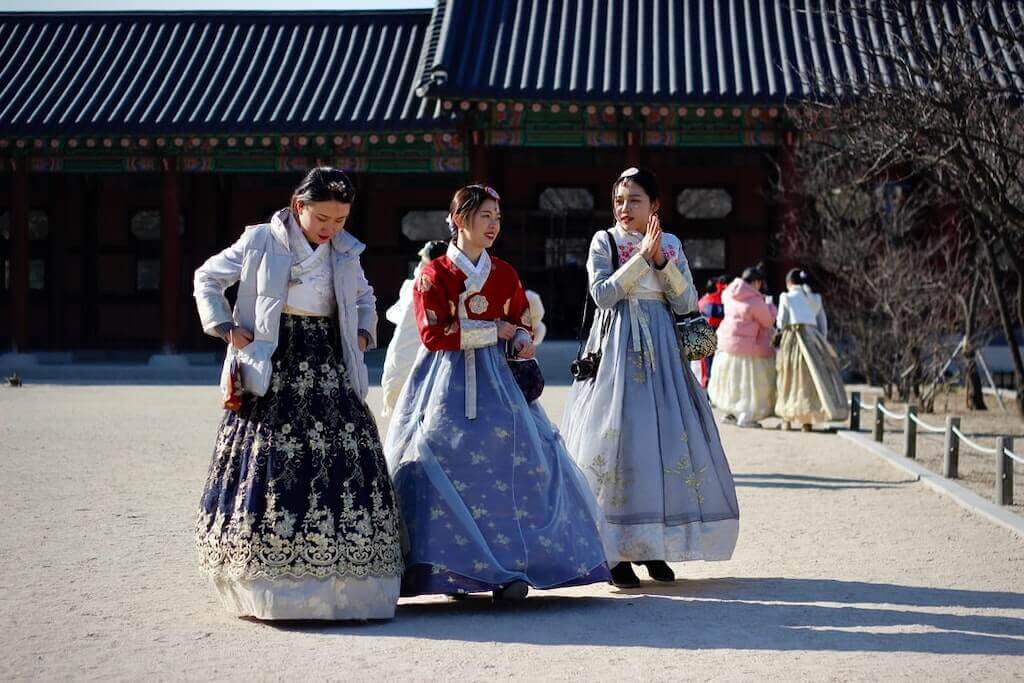
Korean speech levels or politeness levels
Before learning how to say “how are you” in Korean, it’s important to keep in mind that the Korean language is hierarchal. Koreans are very particular about the level of formality and politeness in speech. Don’t be surprised if a Korean you just met wants to know your age or date of birth. This is not unusual as most Koreans will want to know your age to be able to address you properly.
While there are seven speech levels in Korean, the most common levels are these three:
- Formal – Koreans use this to show respect to a person of authority (i.e., a government official or your boss), to customers (in the service industry), or to someone older whom you’re not close with. This is also used in formal business settings and formal broadcasts.

The language you will hear in 사극 (sageuk; historical drama) is also formal, but the language for Korean royalty is of high formality and not commonly used these days.
- Standard Polite – This is the language that you will commonly hear in Korea now. This is used in everyday speech, with people you work with, or someone you don’t know very well. Using this level of politeness in your speech is enough to survive in everyday situations in Korea.
- Informal or Casual – You can only use this if you’re in the company of close friends or someone younger than you.
How to say “hello” and “goodbye” in Korean

If you’re learning how to say “how are you” in Korean, you probably already know how to say “hello” and “goodbye” as well. Yes, you can say 안녕 (annyeong) for both but that would be impolite in most cases.
안녕하세요 (annyeong haseyo) is the standard and most common way of saying “hello” in Korean. But if you want to know other ways to do so, you can read this comprehensive guide to saying “hello” in the Korean language.
As for “goodbye,” you can either say 안녕히 가세요 (annyeonghi gaseyo) or 안녕히 계세요 (annyeonghi gyeseyo), depending on who’s leaving or staying. Read this extensive list of ways to say “goodbye” in Korean to know more.
Now that that’s settled, let’s start learning how to say “how are you” in the Korean language!
Ways to say “how are you” in Korean (+ responses)
잘 지냈어요? (jal-ji-nae-sseo-yo?) – How are you? or Have you been well?

The most common way of saying “how are you” in Korean is 잘 지냈어요 (jal jinaesseoyo). This is the standard polite form which can be broken down into two parts:
잘 (jal) = well
지냈어요 (jinaesseoyo) = to spend time or live
Taken together, 잘 지냈어요 (jal jinaesseoyo) literally means “have you spent your time well?” so it’s a good way to ask if the person you’re talking to has been well since the last time you saw him or her.
Here are several other ways of saying “how are you” in Korean:
- 잘 지내셨어요? (jal jinaesyeosseoyo?) – formal
- 안녕히 계셨어요? (annyeonghi gesyeosseoyo?) – formal
- 잘 있었어요? (jal isseosseoyo?) – standard polite
- 잘 지냈어? (jal jinaesseo?) – informal
- 잘 있었어? (jal isseosseo?) – informal
When someone asks you this question, you can reply in different ways, depending on, well, how you feel. But as someone learning Korean, you can practice saying these common responses:
- 잘 지냈습니다 (jal jinaesseumnida) – formal. This means “I have been well.”
- 저는 잘 지냈어요 (jeoneun jal jinaesseoyo) – standard polite for “I am fine.”
- 저는 잘 못 지냈어요 (jeoneun jal mot jinaesseoyo) – standard polite for “I am not fine.”
- 나는 잘 지냈어 (naneun jal jinaesseo) – informal. This translates to “I am fine.”
- 나는 잘 못 지냈어 (naneun jal mot jinaesseo) – informal for “I am not fine.”
- 저는 바쁘게 지냈어요 (jeoneun babbeuggae jinaesseoyo) – standard polite for “I’ve been busy.”
- 나는 바쁘게 지냈어 (naneun babbeugae jinaesseo) – informal for “I’ve been busy.”
Since the questions above can also mean “have you been well?” you can also respond with a simple 네 (ne) or 아니요 (aniyo). If you’re close with the person who asked, you can be informal and reply with a 응 (eung; okay) or 아니 (ani; no).
그동안 잘 계셨어요? (geu-dong-an-jal-gae-syeo-sseo-yo?) – Have you been well?

Another way to ask “how are you” in the Korean language is by saying 그동안 잘 계셨어요 (geudongan jal gaesyeosseoyo). 그동안 (geudongan) is Korean for “in the meantime” so this question literally means “have you been well in the meantime (or during the time we haven’t seen each other)?”
The informal way of asking this is 그동안 잘 있었어 (geudongan jal isseosseo). And here are some ways you can respond:
- 네, 저는 잘 지냈어요 (nae, jeoneun jal jinaesseoyo) – standard polite for “Yes, I have been very well.”
- 응, 나는 잘 있었어 (eung, naneun jal jinaesseo) – informal but also means “Yes, I have been very well.”
그동안 별 일 없으셨어요? (geu-dong-an-byeol-il-ob-seu-syeo-sseo-yo?) – Have you been well (without any significant incidents)?

If you’re wondering if the other person has been through significant events or happenings since the last time you met, you can ask 그동안 별 일 없으셨어요 (geudongan byeol il obseusyeosseoyo). In informal settings, you can ask 그동안 별 일 없었어 (geudongan byeol il obseosseo).
It’s a mouthful but we can break it down into three parts:
그동안 (geudongan) = in the meantime
별 일 (byeol il) = any events or incidents
없다 (oepda) = to not exist
To respond, you can say:
- 아니요, 저는 별일 없었어요 (aniyo, jeoneun byeol il obseosyeosseoyo) – standard polite for “No, I am fine (without any events or incidents).”
- 아니, 나는 별일 없었어 (aniyo, naneun byeol il obseosseo) – informal
어떻게 지냈어요? (eo-tteo-ke-ji-nae-sseo-yo?) – How have you been?

어떻게 (eotteoke) is Korean for “how” and 어떻게 지냈어요 (eotteoke jinaesseoyo) literally means “how have you been?” Along with 잘 지냈어요 (jal jinaesseoyo), this is one of the most popular ways of saying “how are you” in Korean.
Here are other forms of this greeting:
- 어떻게 지내셨어요? (eotteoke jinaesyeosseoyo?) – formal
- 어떻게 지냈어? (eotteoke jinaesseo?) – informal
- 요즘 어때? (yojeum eottae?) – informal for “how are you these days?”
To respond, you can state how you’re doing. If you’re neither feeling too great nor too bad, you can say:
- 저는 그저 그렇게 지냈어요 (jeoneun geujeo geureoke jinaesseoyo) – standard polite for “I am so-so.”
- 나는 그저 그렇게 지냈어 (naneun geujeo geureoke jinaesseo) – informal for “I am so-so.”
- 그저 그래요 (geujeo geuraeyo) – informal and translates to “just so-so”
뭐하고 지내셨어요? (mwo-ha-go ji-nae-syeo-sseo-yo?) – What have you been up to?
뭐 (mwo) is “what” in Korean. Another way of asking “how are you” in Korean is by asking what the other person has been up to. You can say 뭐하고 지내셨어요? (mwohago jinaesyeosseoyo?). If you’re meeting up with a close friend you haven’t seen in quite some time, you can be informal and ask 뭐하고 지냈어? (mwohago jinaesseo?) or 뭐하고 지내? (mwohago jinae?).
You can respond by simply saying what you’ve been up to lately. Maybe studying Korean? 😉
오랜만이에요 (o-raen-ma-ni-e-yo) – Long time no see

Just like in the English language, Koreans say “long time no see” when greeting someone they haven’t seen in a long time. 오랜만이에요 (oraenmanieyo) is another way of saying “how are you” in Korean, albeit in a friendly manner. 오랜만이야 (oraenmaniya) is its informal version.
밥 먹었어요? (bap-meo-geo-sseo-yo?) – Did you eat? Or Have you eaten?

As mentioned in the article on how to say “hello” in Korean, 밥 먹었어요? (bap meogeosseoyo?) is a common greeting in Korea. While it literally means “did you eat?,” it doesn’t necessarily mean that you’re asking if the other person has literally had food. Instead, it’s a way to show concern or interest in his or her well-being, and a way to ask “how are you” in Korean.
You can answer this question with a simple 네 (ne, or yes) or 괜찮아요 (gwaenchanhayo, or I’m fine).
Also read: Korean Food Vocabulary: From Basic Ingredients to Dining Etiquette
잘 잤어요? (jal-ja-sseo-yo?) – Did you sleep well?

In a similar vein, Koreans will also ask if you slept well as a way to find out how you’re doing. 자다 (jada) means “to sleep” so 잘 잤어요 (jal jasseoyo) literally means “did you sleep well?”
Imagine going on an overnight trip with co-workers or with friends. You can say this as soon as you see your co-worker or friend in the morning, almost like saying “good morning.”
Here are other forms of this greeting:
- 잘 주무셨어요? (jal jumusyeosseoyo?) – formal
- 안녕히 주무셨어요 (annyeonghi jumusyeosseoyo?) – formal
- 잘 잤어 (jal jasseo?) – informal
More responses to “how are you” in Korean
Now that you know the many ways to say “how are you” in Korean, as well as the common and basic responses, you can definitely carry a decent conversation with your Korean acquaintances and friends. How about learning more phrases that you can use as response to “how are you”?
- 좀 피곤한데요 (jom pigonhandeyo) – A little tired
- 좋아요 (johwayo) – Good
- 안 좋아요 (an johwayo) – Bad, or not good
- 괜찮아요 (gwaenchanayo) – I’m fine.
- 기분이 별로예요 (gibuni byeolloyeyo) – I’m feeling bad.
- 나쁘지 않아요 (nappeuji anayo) – I’m not feeling bad.
That’s a lot of new Korean vocabulary for you! Now, get out there and start impressing your Korean friends!
If you want to advance in your Korean language learning journey, do check out our list of resources, which includes apps, online courses, books, podcasts, and online tutors. These should be more than enough to get you from clueless to fluent!