
This article may contain affiliate links. As an Amazon Associate, I earn from qualifying purchases. For full information, please see the disclaimer here.
Ex nihilo nihil fit.
If you want to understand the statement above, and also speak the language of Julius Ceasar, Cicero, and Virgil, it’s high time you learn Latin.
Never mind that it’s a dead language — it’s very much alive in the English vocabulary as well as the lexicons of languages such as Spanish, French, and Italian. Even if no one speaks it as a first language, you’ll find Latin useful in many fields.

So, how do you start learning Latin? I recommend the easiest and most convenient route: using mobile apps.
Alas, if you’re looking for a Pimsleur Latin course, that’s not available. Neither is Babbel Latin. Worry not though, there are still many options for you.
What is Pimsleur?
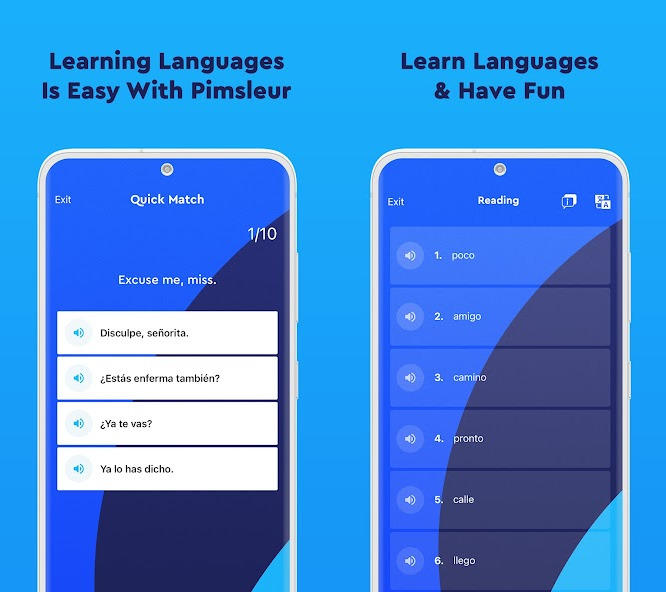
If you’ve been learning languages long enough, you probably know what Pimsleur is. But for those who don’t, let me tell you about this amazing language learning app.
Pimsleur is an audio-based program created by linguist and professor Paul Pimsleur in the early 60s. The program is quite straightforward: you listen to 30-minute core lessons that start with a conversation.
This conversation in the native language is broken up to teach words and phrases. The app also features reading lessons, flashcards, and other interactive exercises.

But what sets Pimsleur apart is its version of spaced repetition system (SRS) called graduated interval recall. In a nutshell, words are taught repeatedly, but with a larger time gap each time, helping the memory stick with each interval.
Don’t be surprised if a previously taught phrase comes up again three lessons later. These well-timed intervals and repetitions help reinforce memory and make you conversational along the way.
You can read all about how Pimsleur works in this review.
With courses in 50 languages, Pimsleur actually offers more than most language learning apps do. Still, many languages such as Latin, Afrikaans, and Bulgarian are missing.
The best Pimsleur alternatives
The great news is that there are a handful of Latin learning apps that can take you from noob to almost native. Here are three of my favorites:
1. Mondly
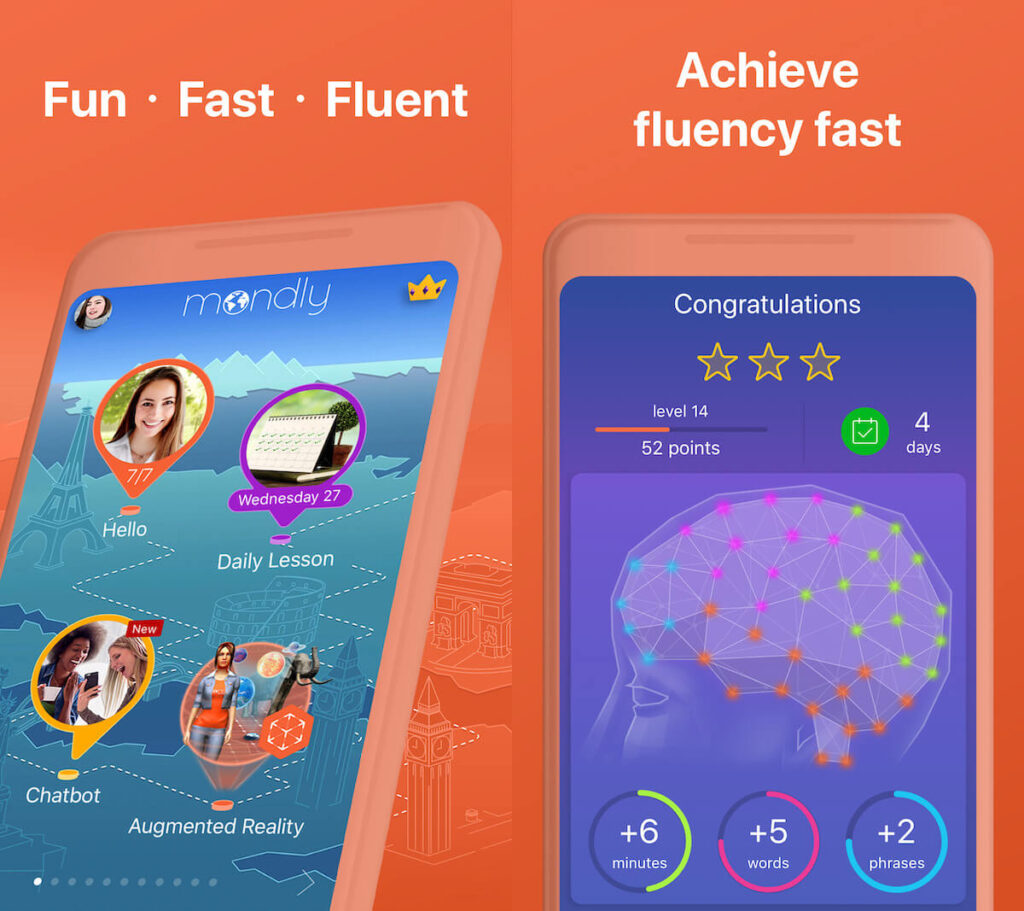
If you think learning Latin has to be uber-serious, well, you’re not studying to be an orator, are you? The truth is, you can learn Latin (or any language) in a fun, gamified environment.
Mondly Latin proves that you can play your way through Latin mastery. Like Pimsleur, it features the voices of native speakers. But it goes beyond audio lessons and you can spend less than 30 minutes per day on the app.
Mondly’s lessons are, in fact, bite-sized and feature a variety of fun exercises such as flashcards, fill-in-the-blanks, spelling challenges, listening drills, and more. It also helps you be conversational through practice dialogues with a chatbot.
One advantage Mondly has over Pimsleur is that it can be used for free. That said, its premium version is recommended so you can access thousands of lessons and bonus content.
Key features:
- Quick and immersive lessons
- Teaches Latin vocabulary and grammar through interactive games
- Listening and speaking drills help build conversational skills
2. Rosetta Stone

For something immersive and challenging, Rosetta Stone is worth considering.
With 30 years of experience in teaching languages, Rosetta Stone has perfected its Dynamic Immersion approach. Essentially, this program lets you learn Latin… in Latin. There are images for visual clues but everything else is in Latin and there are no translations.
I don’t know about you but that’s as immersive as an app can be. It’s like being dropped in the middle of ancient Rome and you’re just expected to speak (or at least, try to) with ancient Romans. If that thought excites you, sign up for Rosetta Stone now!
Key features:
- A reputable program that covers the building blocks of Latin
- An immersive approach that focuses on contextualized learning
- Short but challenging lessons
3. uTalk
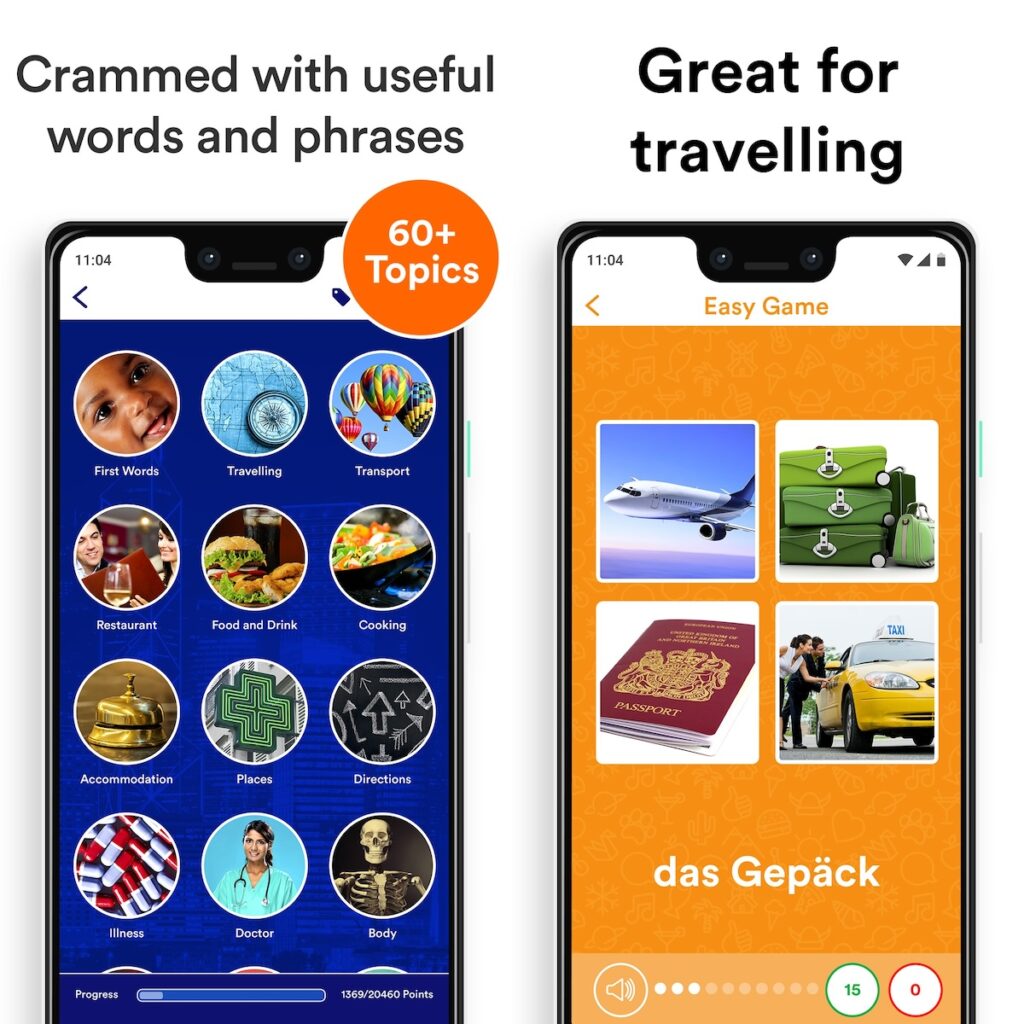
uTalk is a great option for learning Latin if you want to focus on rapidly acquiring a strong base of vocabulary without getting tangled up in lengthy grammar explanations.
This app uses a fun, game-based approach to teach over 2,500 words and phrases across more than 60 real-world topics, some even re-imagining modern words in Latin. All the content features high-quality audio from male and female voice actors—developed by consulting experts to approximate Classical Latin pronunciation.
Plus, you’ll be kept motivated by gamified exercises in varying levels of difficulty that test your listening, memory, and even speaking skills.
Key features:
- Large library of essential Latin vocabulary
- Authentic, expert-consulted Latin pronunciation
- Includes a self-recording tool to practice speaking
Other great resources to learn Latin
For a well-rounded fluency, it’s best to mix up apps to learn Latin (like the above three) with other resources such as Latin learning books, online courses, and even YouTube channels.
I recommend the following:
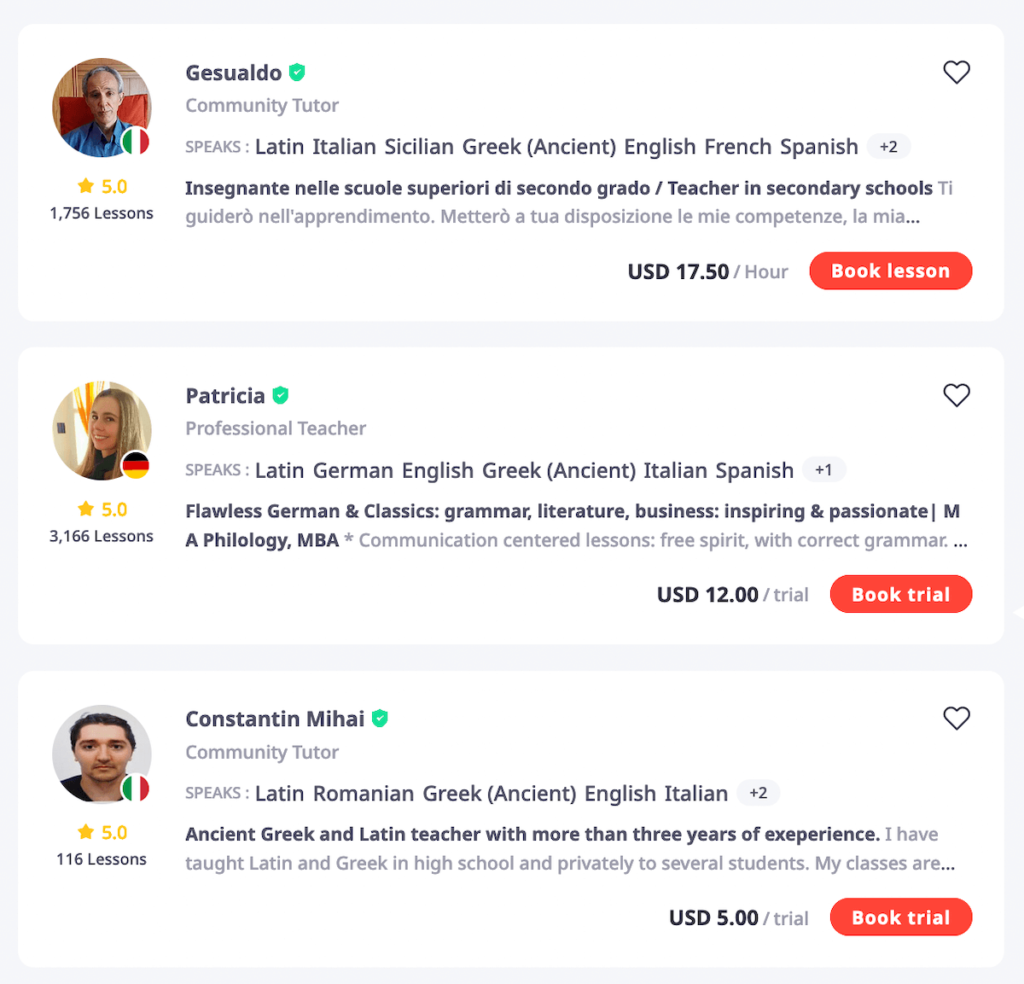
Italki: Want to learn from legit Latin tutors? italki can connect you with professional teachers and community tutors who can meet your goals, schedules, and budget. There are fewer Latin tutors on Preply but the site’s also worth checking out.
Cudoo: Learn how to introduce yourself, count in Latin, talk about food and drinks, and more with Cudoo’s Level 1 Latin course. This beginner-friendly course can be taken at your own pace on any device, and comes with a certificate!
No products found.
Getting Started with Latin: Highly recommended for beginners who want structure, this textbook by William E. Linney offers a clear path to learning Latin. You’ll be introduced to vocabulary and grammar concepts in easy-to-follow chapters. Check out these Latin textbooks too!
Reddit: The Latin subreddit is a gold mine of resources for Latin learners. But that’s not all — as we all know, Reddit is a community where you can freely discuss with like-minded people. Here, you can learn from the posts of other Latin learners, ask and answer questions, and geek out!
No products found.
Wheelock’s Latin: This book is a best-seller for a reason. Comprehensive and well-organized, this textbook contains extensive Latin grammar explanations and readings. Plus, it has self-tutorial exercises, vocabulary builders, and more! See our full list of Latin grammar books here.
Duolingo: One of the best apps for Latin newbies, Duolingo teaches basic Latin words and phrases engagingly. It’s free, bite-sized, and definitely non-intimidating!
Magister Craft: If you’re a fan of Latin and Minecraft, this YouTube channel is for you. Magister Craft introduces Latin vocabulary, grammar concepts, ancient Roman authors, and Roman history through the 3D environment that is Minecraft.
The Open University: OpenLearn’s free Latin course is a great introduction for those who are interested in reading classical Latin literature. You’ll learn to pronounce Latin, understand grammar, and acquire new vocabulary.
LingQ: Want to listen to podcasts, news, or classical novels in Latin? LingQ’s vast audio library has all those. This app offers a variety of topics so you can surely find content that interests you. The content comes with transcripts, which you can use to learn and review Latin vocabulary and grammar.
Conclusion

No Latin on Pimsleur? No biggie!
I’m sure by now you can see that there are lots of resources you can use to master Latin. And in case you still don’t know, Ex nihilo nihil fit translates to “From nothing comes nothing”, which basically means you can only achieve good results if you put in hard work.
So, pick your Latin learning tools now, stay on track, and achieve fluency in no time!