
Ciao, bello! Love is in the air, and what better way to express it than with some sweet Italian terms of endearment? From amore to tesoro, Italian is known for its romantic language, and using these little words can add even more affection to your relationship with your SO, friends, and even kids.

Whether you’re looking for a cute nickname to call your boo or just want to impress your Italian crush, I’ve got you covered with 20+ Italian terms of endearment that will make your heart skip a beat.
Some of these terms are more common, while others are more unique. But one thing is for sure: they are all perfect for showing your love and affection to those special people in your life.
Italian pet names for boyfriends and girlfriends
1. Amore (mio)

Ah, amore! The quintessential Italian word for love is short, sweet, and so romantic. But, what about amore mio? It’s basically the same thing, but with a little extra oomph. It’s literally how to say “my love” in Italian, which makes it the perfect phrase to whisper to that special someone.
Yet these two Italian terms of endearment aren’t just reserved for romantic partners. Italians use them with family members, friends, and even pets. It’s a great way of showing affection towards those you love.
2. Patato / Patata
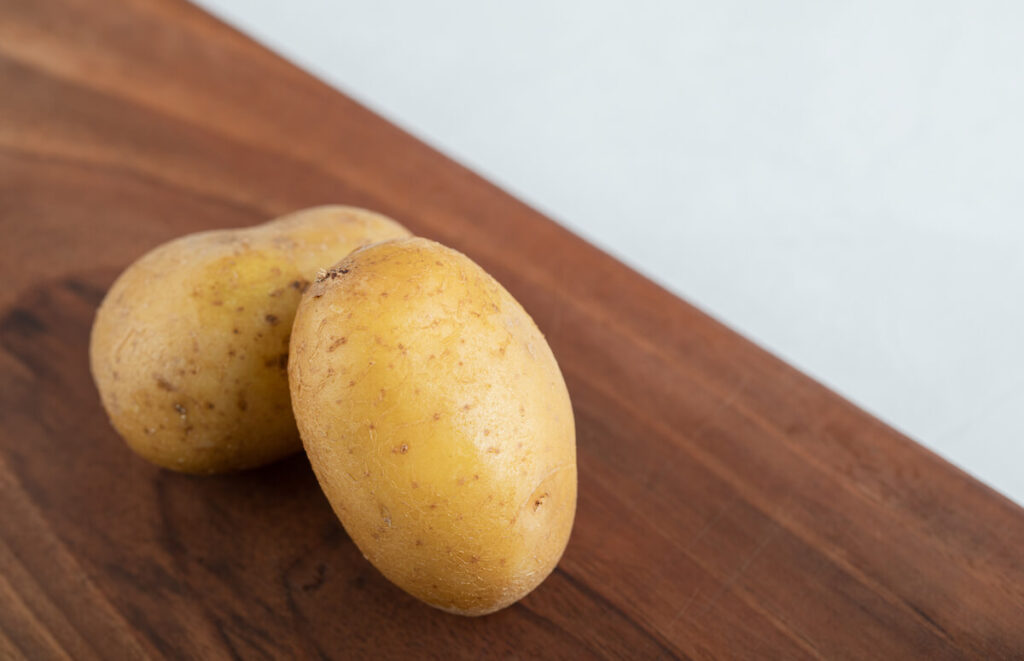
Patato and patata are two adorable Italian terms of endearment that are used to refer to loved ones. Patata literally translates to “potato”, whereas patato is simply the male equivalent of the pet name.
Both terms are used to express fondness and affection towards someone, and they are commonly used among couples. They’re often used interchangeably regardless of gender.
Interestingly, the origin of these endearing terms comes from the idea that potatoes are a versatile and essential ingredient in Italian cuisine. Like a potato that goes well with any dish, the term implies that the person is adaptable and able to complement any situation.
3. Bimbo / Bimba

The terms bimbo and bimba respectively mean “baby boy” and “baby girl” and are often used more generally to refer to any young child.
When used between adults, bimbo and bimba can express affection and tenderness toward a significant other in a playful or affectionate way. It’s a term that expresses the idea of being innocent, young, and carefree, just like the more widespread “baby” and “babe” in English.
4. Gioia (mia)

The Italian language is famous for its tender words, and gioia is one of them. Gioia means “joy” in English, and it is used to express your love and happiness toward your significant other.
Gioia mia means “my joy,” and it’s even sweeter. It’s a beautiful way to tell someone that they bring happiness into your life and that they mean the world to you.
Interestingly, gioiello, the Italian word for “jewelry”, derives from gioia. So you can imagine how precious this word is to the Italians.
5. Fragolina

The term fragolina is a sweet and affectionate way to call someone “little strawberry” in Italian. It’s a term of endearment typically used for a woman or a young girl.
Fragolina expresses a sense of delicacy, sweetness, and beauty, just like a ripe and juicy strawberry. It’s a playful and flirty way to show your affection to your loved one.
In Italy, strawberries are considered a symbol of love, passion, and seduction, so calling someone fragolina can have a romantic undertone.
6. Polpetto
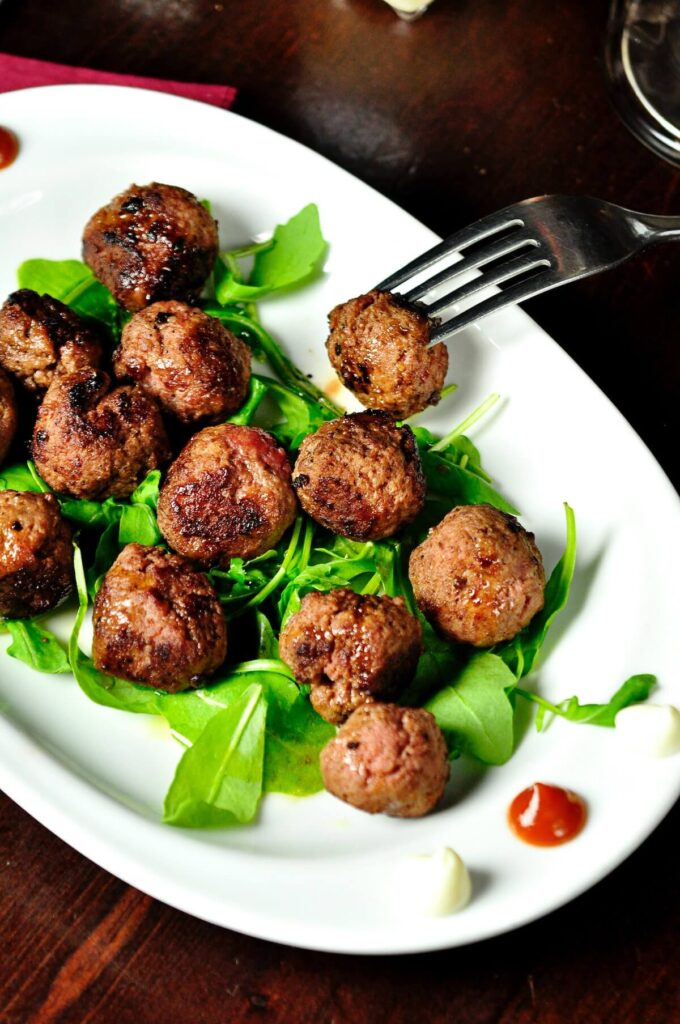
Polpetto, which means “little meatball”, is yet another creative term of endearment. While may seem odd to some, in Italy, where food is such a central part of life, being compared to a delicious meatball is a true sign of affection.
The term is often used by parents and grandparents to refer to their children or grandchildren, but it can also be used between romantic partners or close friends. It conveys a sense of warmth, comfort, and familiarity.
In addition to that, polpetto has also been used in Italian literature and cinema to describe a young, innocent and chubby-cheeked girl, as it invokes a sense of playfulness and innocence.
7. Luce dei miei occhi

Luce dei miei occhi, i.e. “light of my eyes”, is a poetic way of expressing how much someone means to you, as if their presence alone lights up your life.
This phrase is used by lovers to express their deep affection for one another or by parents to express their love for their children. It’s been used for centuries in Italian literature, which makes it a classic and timeless expression of love.
8. Passerotto / Passerotta

Italian is noted for its passionate and expressive nature, and it’s no surprise that it has a wealth of terms of endearment. One such term is passerotto (for males) or passerotta (for females).
So, what does it mean? In literal terms, it translates to “little sparrow”, which might not sound like the most romantic phrase at first.
But in Italian culture, sparrows are seen as delicate and precious creatures, so calling someone your “little sparrow” is a way of expressing your love and affection for them.
Fun fact: Sparrows are a common sight in Italy and have been a source of inspiration for Italian art for centuries. Check out the poem Il Passero Solitario by beloved poet Giacomo Leopardi.
Italian words of endearment for friends and family members
9. Caro / Cara

Caro and cara are hands down among the most widespread Italian terms of endearment. Caro is used to address a man, whereas cara is used for a woman. Both terms can be translated to “dear” or “beloved” in English, and are often used by family members, friends, and even coworkers.
These terms can also be used in a more playful and even sarcastic manner, such as come stai, caro mio? or come stai, cara mia? which translates to “how are you, my dear?”.
Just bear in mind that the word caro also means “expensive” in Italian. So be careful with the context you use it in!
10. Tesoro

Tesoro is a sweet and tender pet name in Italian that translates to “treasure” in English. It’s commonly used among partners, parents, and close friends. It expresses the deep value and affection that one has for another person. You can, for instance say ciao, tesoro when you meet your significant other.
11. Amico / Amica

While amico and amica are commonly translated as “friend” in English, in Italian they can also be used as terms of endearment for a special friend or loved one.
When used that way, amico and amica invoke a sense of closeness and intimacy. They can be used to refer to someone who is more than just a friend but not quite a romantic partner. In this sense, they are similar to the English terms “buddy” or “pal”, but with a slightly more affectionate undertone.
12. Bello / Bella

Bello and bella both translate to “beautiful” or “handsome.” Yet, in terms of endearment, they are commonly used to express affection towards loved ones. You can use these words to compliment them or to make them feel special.
Overall, bello and bella are sweet and simple Italian terms of endearment that can add a touch of affection to your conversations, even between friends.
13. Stella

Stella and stellina translate to “star” and “little star,” respectively. These terms are used to express affection and admiration toward a loved one and emphasize their unique and special qualities.
Stella can be used for both men and women, while stellina is typically reserved for women and children. These terms apply to a variety of contexts, such as addressing a child or a romantic partner.
14. Angelo

Angelo means “angel” in Italian, and it’s often used as a term of endearment for someone who is very special to you. It implies that the person is pure, innocent, and kind-hearted, just like an angel.
Angioletto is the diminutive form of angelo and is used to show even more affection and tenderness toward someone. It’s perfect for someone who’s small and cute, like a child or a pet, but also for a significant other who you think is simply angelic.
15. Fra’

Fra’ is a shortened version of the Italian word fratello, which means “brother”. It is a term of endearment commonly used among male friends, particularly teenagers and young adults.
The term is often used in a casual, informal context and can be affectionately used to address someone you consider a brother or close friend. It has also been used in pop culture, with Italian-American mobster movies portraying gangsters calling each other fra’ to emphasize their brotherhood and bond.
Italian terms of endearment for kids
16. Cuore mio

Cuore mio is a popular Italian term of endearment that translates to “my heart” in English. It is commonly used to express deep love and affection toward someone, often a family member or a significant other.
The term is often used in a poetic and emotional way, and can be paired with other endearing terms like amore or tesoro. For example, Amore, sei il cuore mio, which means “Love, you are my heart”.
17. Cucciolo / Cucciola

Cucciolo and cucciola are Italian terms of endearment that are normally used for children, as they translate to “puppy” in English. The terms are often used to express warmth and a sense of protectiveness toward a child.
The use of these terms is often accompanied by playful gestures and tones, such as petting a child’s head or speaking in a sing-song voice. They can also be used in a more serious context, such as when reassuring a child who is scared or upset.
18. Pulcino / Pulcina

The terms pulcino and pulcina translate to “little chick” in English. They are commonly used to refer to young children or babies and are often used by parents or grandparents.
Using these terms is a great way to express affection for a child, especially if you’re looking for something more unique than the usual cucciolo.
19. Piccolo / Piccola

Piccolo and piccola are commonly used to refer to young children or babies. The words mean “little” in English, and like cucciolo and cucciola they convey a sense of protectiveness toward the child.
These terms of endearment are often used by parents, grandparents, or other family members to show love for the child. For example, a parent may say Vieni qui, piccola! (“Come here, little one!”) when calling their child over.
20. Ciccio / Ciccia

The terms ciccio and ciccia are used specifically for kids. They both derive from the Italian word ciccione, which means “chubby” or “plump”. These terms are used affectionately to refer to children who are cute and chubby. They can also be used for adults who are seen as cute and cuddly.
Though ciccio and ciccia are meant to be endearing, it’s worth noting that they can also be seen as insulting if used inappropriately. It’s important to use them only in contexts where they are fitting and where they won’t offend the person being addressed.
21. Mimmo / Mimma

Mimmo and mimma are Italian terms of endearment that are often used for kids. They derive from the names Domenico and Domenica, respectively, but have evolved to become standalone terms of affection.
These terms are informal and playful, and they convey a sense of fondness and care. They are often used by grandparents or close family members to refer to young children, and are especially popular in Southern Italy, where family bonds are highly valued and celebrated.
Final thoughts

As we come to the end of our list of Italian terms of endearment, I hope you’ve found some inspiration for expressing your love and affection in a new way.
Be it a cute nickname to call a dear friend or a sweet phrase to write in a love letter, Italian has no shortage of options to choose from. By the way, while you’re at it, make sure you know how to say “I love you” in Italian too!
From the poetic stella to the playful patato, each term on this list carries its own special meaning and nuance. So take your time, pick your favorites, and use them to add some charm to your relationships as you learn Italian.
Italian terms of endearment – Pin it!


I was always called Chabot when I was little because I was chubby . I can’t find the word anywhere. LOL. I’m sure it is slang but nothing comes close. It was pronounced. Cha/bot… short a …long o. Have you heard of that?