
Welcome to the mouthwatering world of Italian cuisine! Today, we’ll embark on a flavorful journey through some of the most useful and a few lesser-known Italian food words.
I’ll help you know your way at an Italian restaurant, discover delectable dishes, explore where to savor them, and sprinkle in some handy phrases for your next Italian food adventure.
Whether you’re a foodie, a traveler, or simply someone who loves to eat, get ready to expand your Italian food vocabulary and elevate your dining experiences. Buon appetito!
Italian food vocabulary to eat at a restaurant
1. Grazie
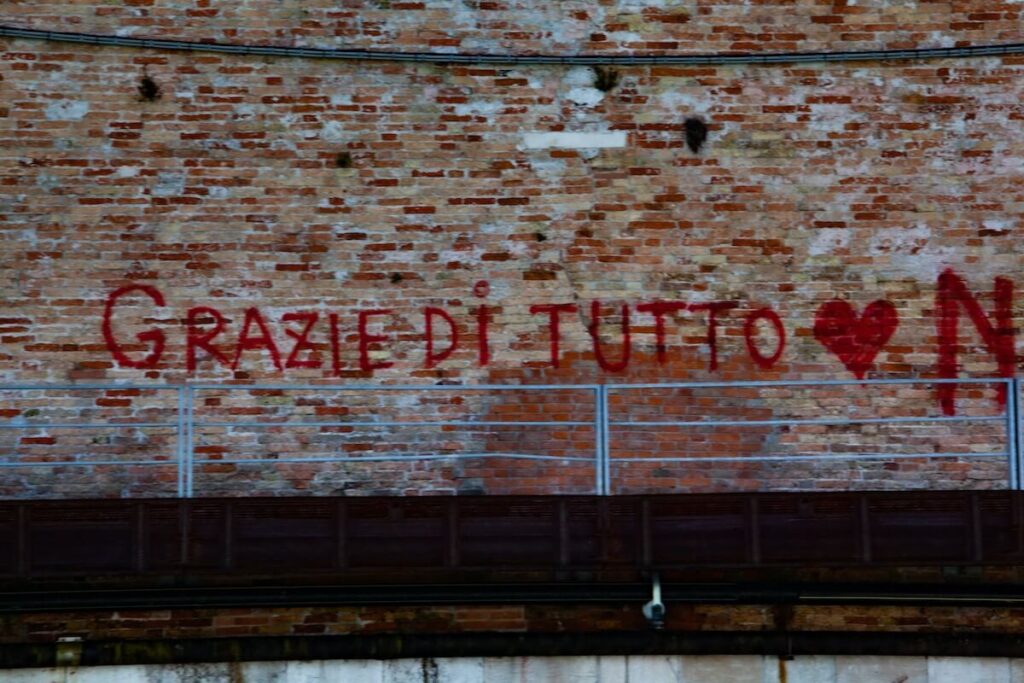
Grazie, as you probably know already, translates to “thank you.” It’s used to express gratitude or appreciation for something someone has done or provided.
But what you may not know is that, in certain contexts, grazie can take on a dual role, serving as both “thank you” and “please.” For instance, when ordering at a café, saying un espresso e un cornetto, grazie politely requests your order while also expressing thanks in advance.
Una brioche e un cappuccio, grazie!
A croissant and a cappuccino, please!
2. Prego

Prego is another essential Italian word, and its meaning can vary depending on the context. In response to someone thanking you, you can say prego to convey that they are welcome, and you were happy to help or provide assistance.
In some contexts, especially when someone is offering something to you or inviting you, prego can be used as a polite way to say “please” or even “after you.” For example, someone may hold the door open and says “prego” as an act of kindness.
Prego, accomodatevi!
Please take a seat!
3. Quanto costa/costano?

Quanto costa? (singular) or Quanto costano?(plural) is a common Italian phrase used to ask “How much does it cost?” or “How much do they cost?” in English. You can use this phrase when you’re shopping, dining out, or inquiring about the price of goods or services.
Quanto costano le mele?
How much do the apples cost?
4. Sono allergico/a a…

Sono allergico a… (for men) or sono allergica a… for females) in Italian means “I am allergic to…” in English. For example, if you have a walnut allergy, you would say Sono allergico alle noci I am allergic to nuts).
It’s an important phrase to know when dining out or traveling, especially if you have allergies and need to inform others about your dietary restrictions or medical conditions.
Sono allergico alle arachidi.
I’m allergic to peanuts.
5. Cornetto
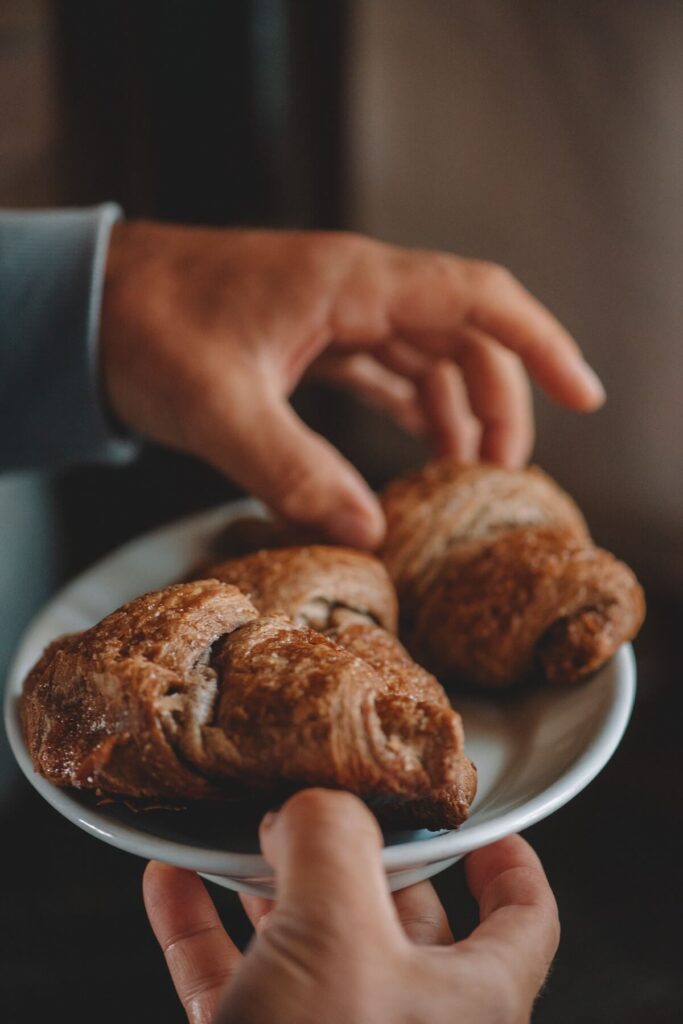
Cornetto is an Italian word for a pastry that’s similar to a croissant. It’s often filled with sweet cream, jam, or yummy Nutella, which makes it a popular breakfast item in Italy. In some parts of Italy, like Milan, the cornetto is referred to as brioche.
Per me un cornetto all’albicocca, grazie.
An apricot croissant for me, please.
6. Primo
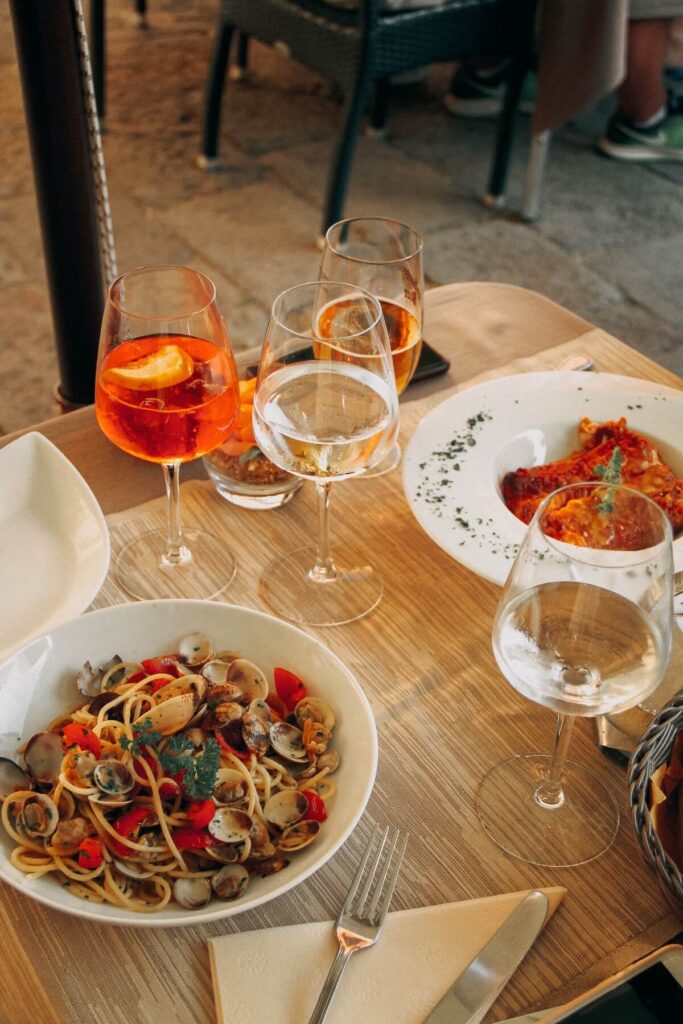
Primo, as in primo piatto, refers to the first course of a traditional Italian meal. It usually consists of pasta, risotto, or another type of grain-based dish. That’s of course an essential part of Italian dining and a must-try for anyone exploring Italian cuisine.
Come primo prendo la carbonara.
I’ll have a carbonara for my first course.
7. Secondo
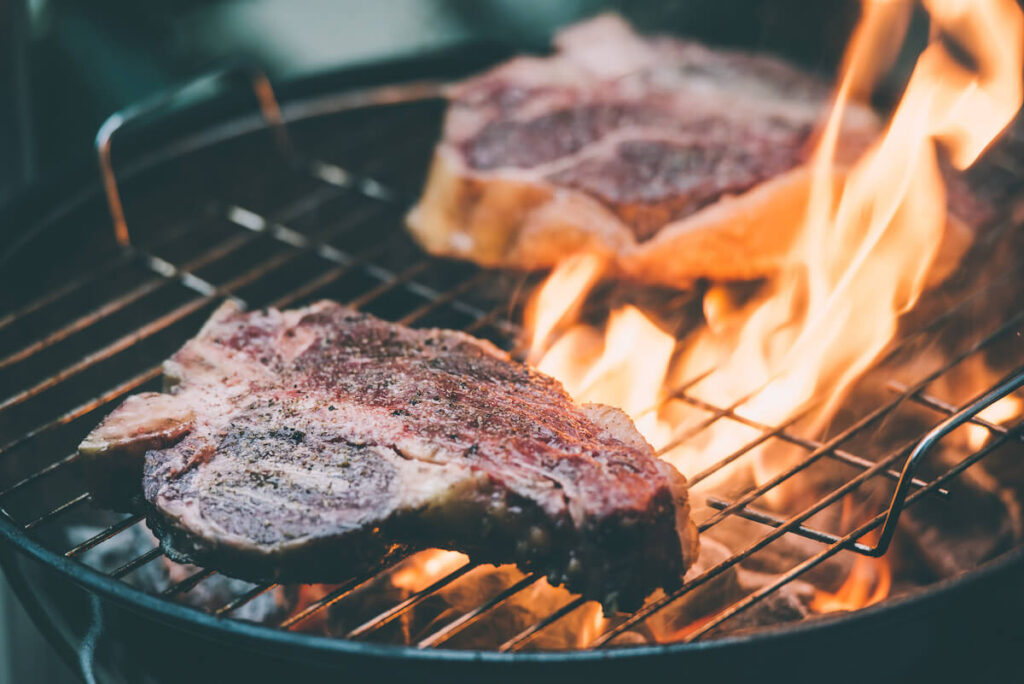
Secondo, in Italian, particularly when used in the phrase secondo piatto, refers to the second course of a traditional Italian meal. It typically features meat, fish, or another protein-based dish and is served after the primo piatto.
Cosa prende come secondo?
What are you having for your second course?
8. Contorno
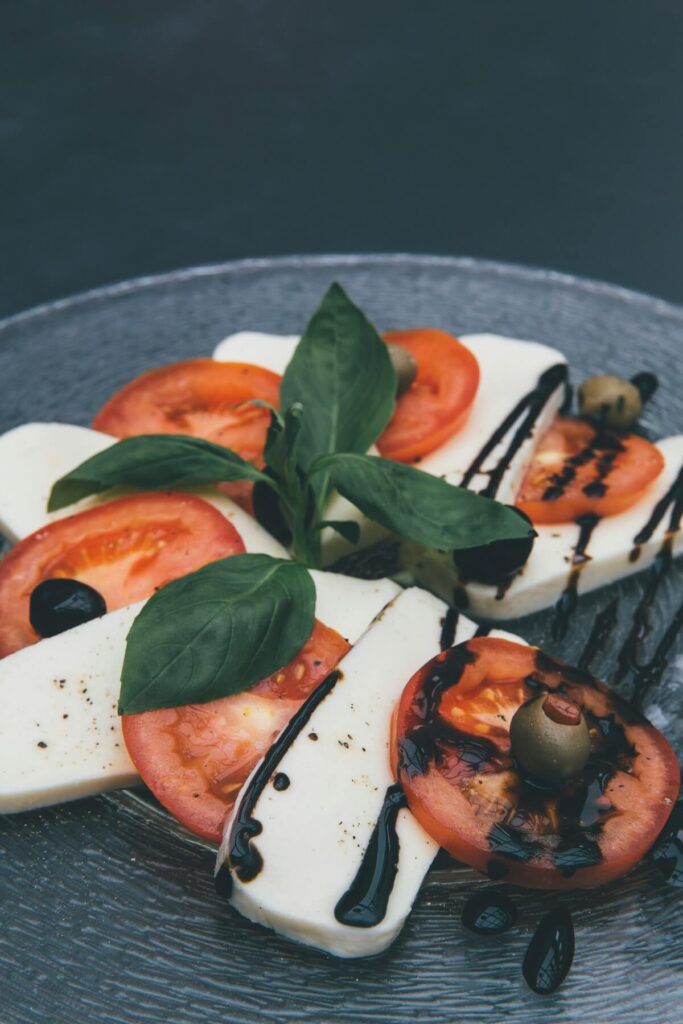
Contorno refers to side dishes or accompaniments that are served alongside the main courses, such as meat or fish. These side dishes often consist of vegetables, salads, or other elements that enhance the overall flavor and balance of a meal.
L’insalata caprese può essere un ottimo contorno.
Caprese salad can make a great side dish.
9. Dolce
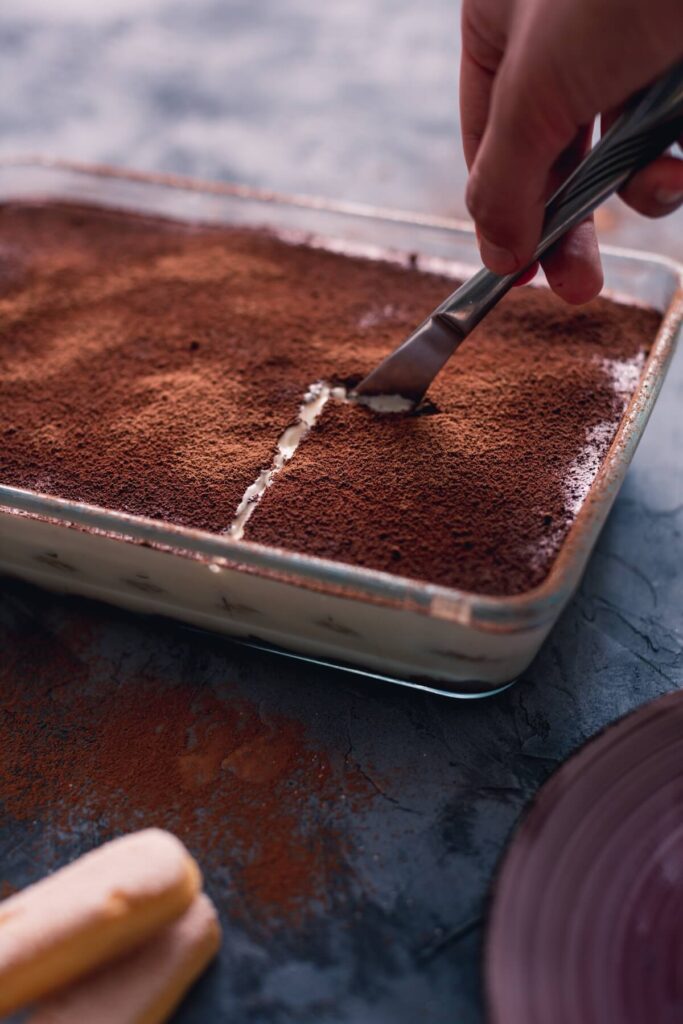
Dolce translates to “sweet,” and it commonly refers to desserts. A dolce is the sweet course or treat that concludes a meal, ranging from cakes and pastries to gelato and fruit—yup a dessert.
Italians often call it a dessert too, though they pronounce it in a vaguely French-sounding way (i.e. /deh-SAIR/).
Il tiramisù è il mio dolce preferito.
Tiramisu is my favorite dessert.
10. Bevanda
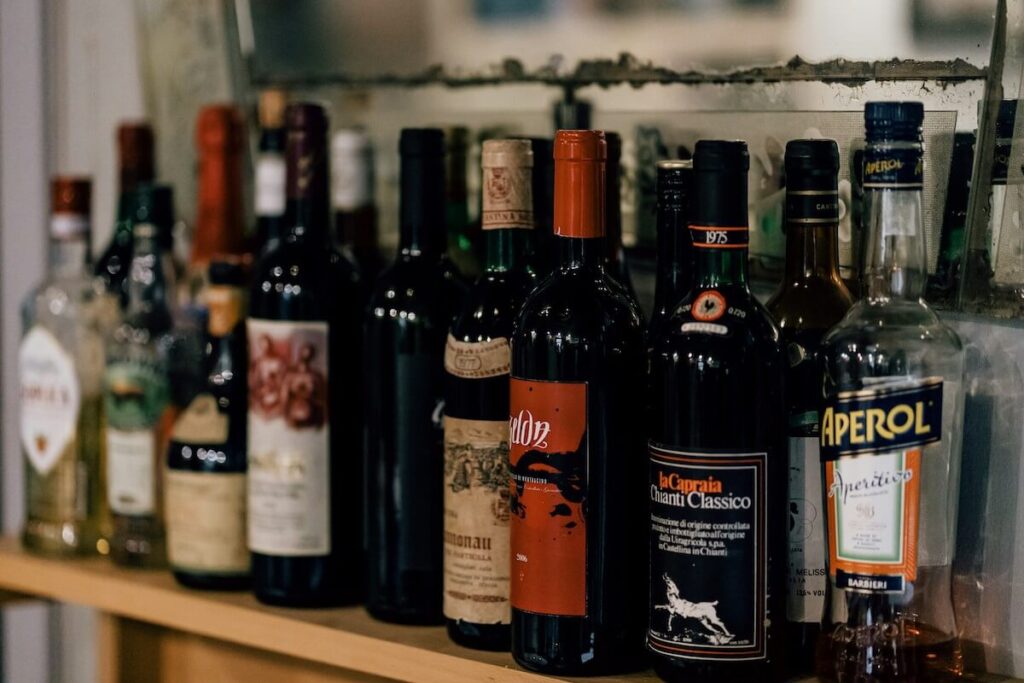
In Italian, bevanda simply means “beverage.” It’s a versatile term used to describe any kind of drink, whether it’s a non-alcoholic beverage like water, soda, or juice, or an alcoholic one like wine or beer.
Quel ristorante ha un’ottima selezione di bevande alcoliche.
That restaurant has a great selection of alcoholic beverages.
11. Vino
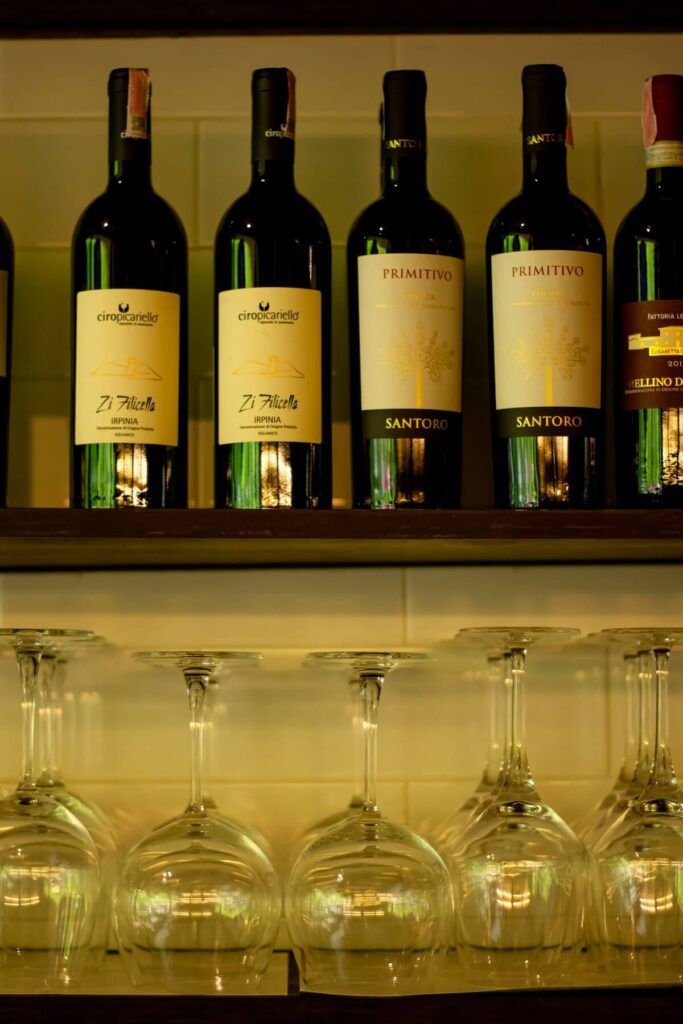
Vino should probably top our list because there’s hardly any word more important than it in Italy… except for caffè, maybe. It means “wine”, of course.
Vino bianco means white wine, and vino rosso means red wine. Italy is renowned for its diverse and top-notch wines, which you must try (a lot of) when you visit.
Vorrei un calice di vino della casa.
I’d like a glass of the house wine.
12. Conto
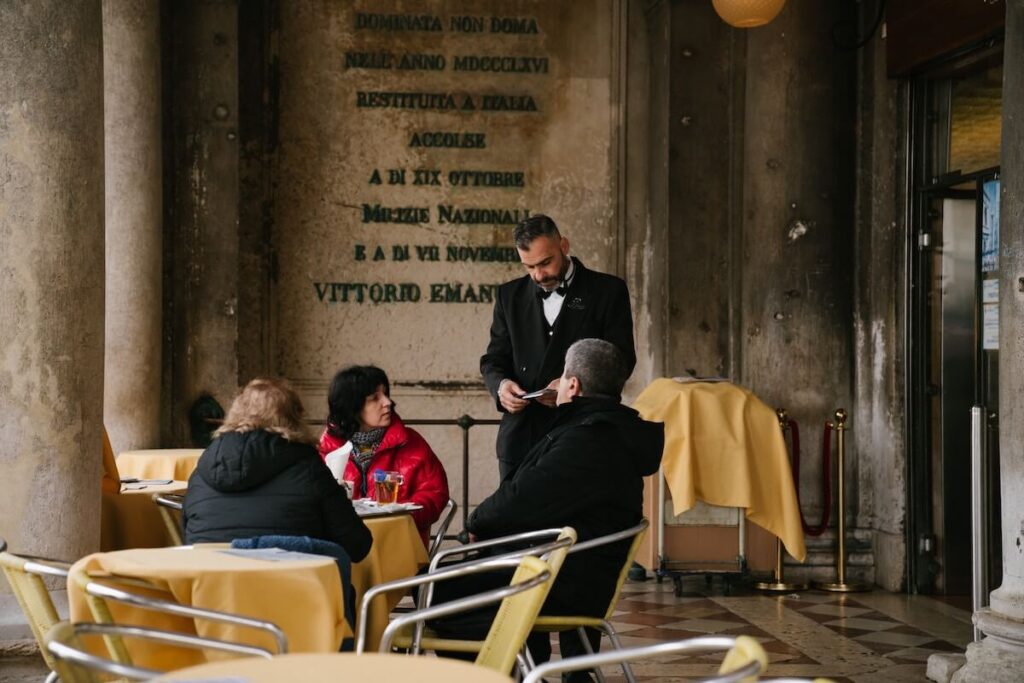
In a restaurant setting, conto in Italian means “check” or “bill.” When you’re finished with your meal and ready to settle the bill, you can ask for il conto, per favore and the waiter will bring it to your table.
Ci porterebbe il conto, per cortesia?
Would you bring us the check, please?
13. Coperto
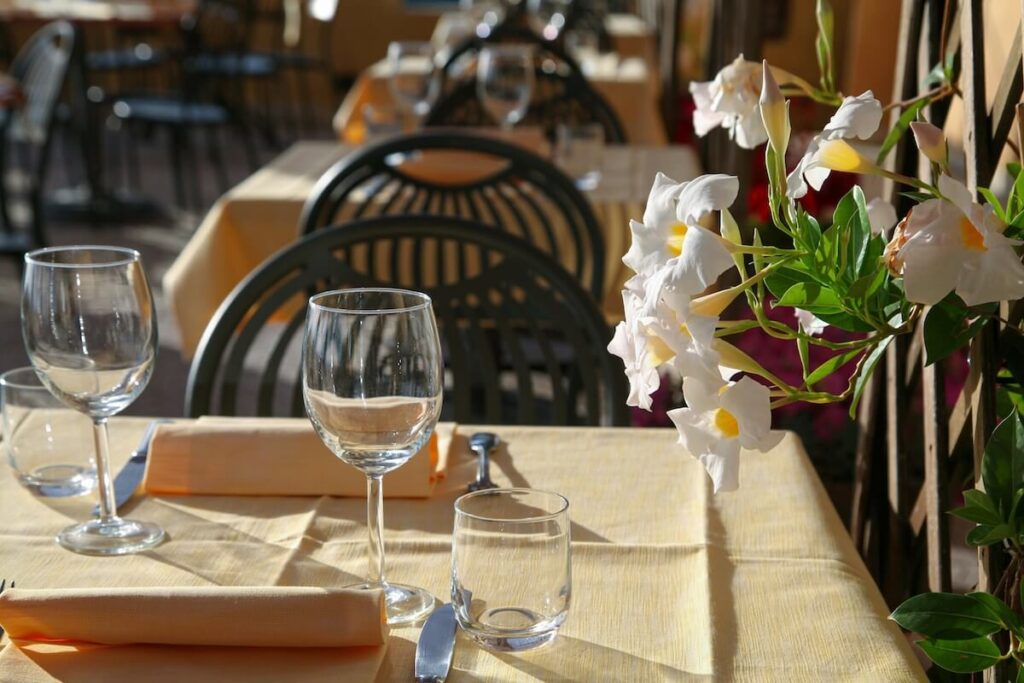
Coperto in Italian can have two meanings in a restaurant context. When referring to coperti in the plural, it indicates the silverware, plates, and other tableware provided at your table in a restaurant.
In the singular form, it usually means a service charge or cover charge that many restaurants in Italy add to the check. This fee is for the service and bread typically provided at the table.
In questo ristorante, i clienti pagano due euro di coperto.
At this restaurant, customers pay a two-euro cover charge.
Italian food names that you should discover
14. Cicchetti
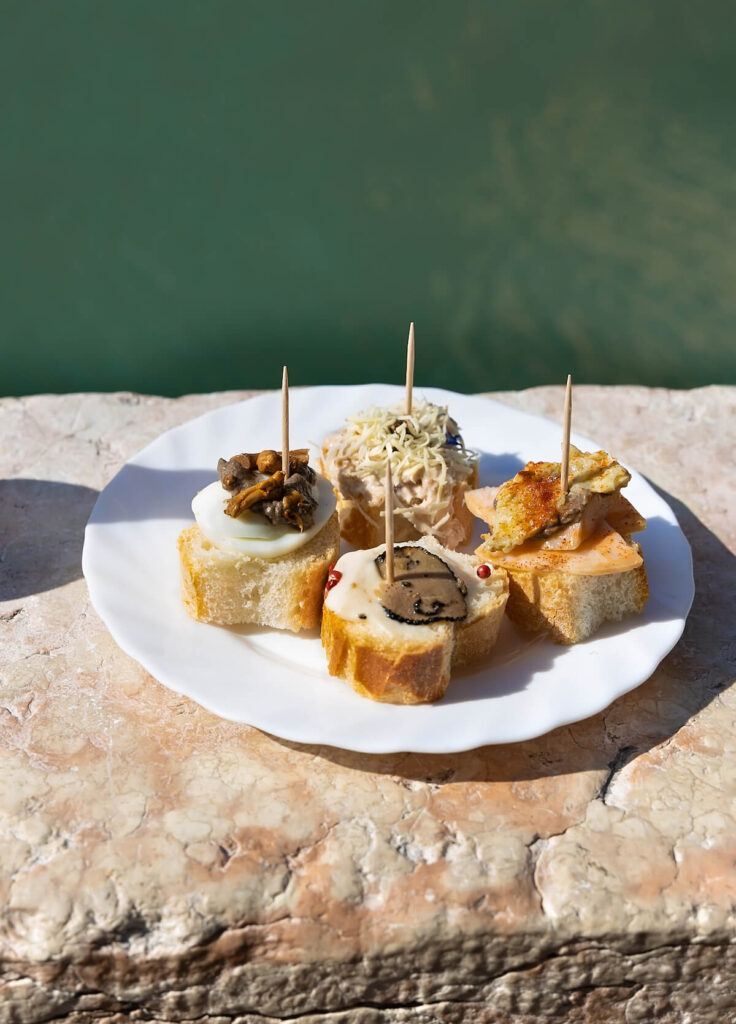
Cicchetti are small, flavorful snacks or appetizers in Italian cuisine, often served in Venetian bars known as bacari. These bite-sized treats can include a variety of items such as olives, small sandwiches, seafood, and other savory bites.
Questo bacaro serve i migliori cicchetti di Venezia.
This bacaro serves the best cicchetti in Venice.
15. Soffritto
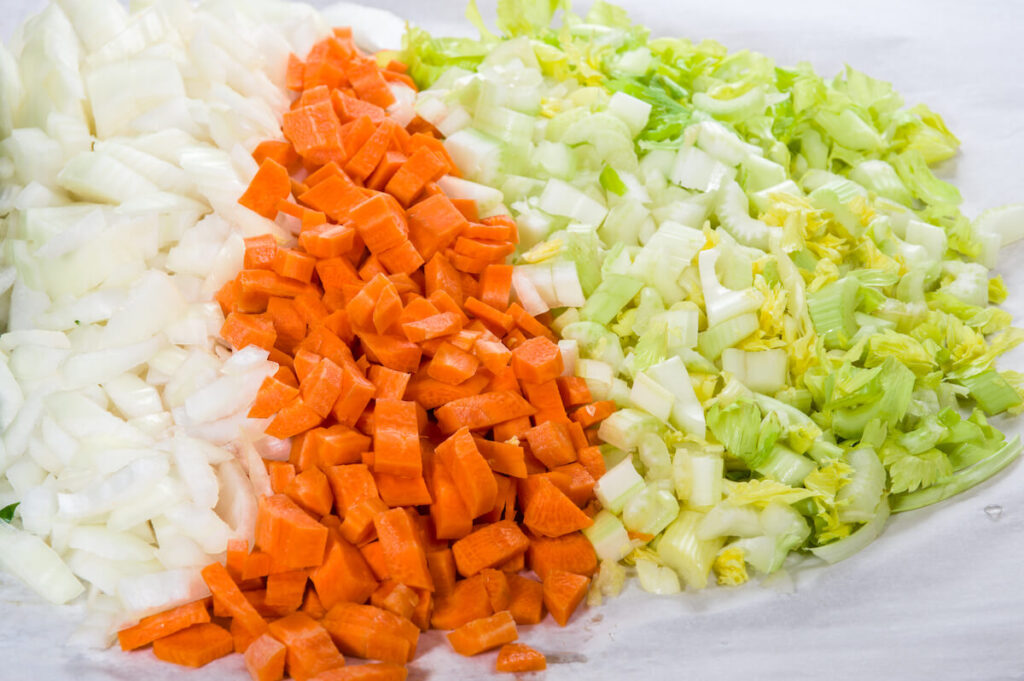
Soffritto is an essential component of Italian cuisine. It’s a mixture of finely chopped or minced aromatic ingredients, typically onions, celery, and carrots, which are sautéed in olive oil or butter.
This blend forms the flavorful base for many Italian dishes, providing depth and complexity to sauces, soups, and stews. It has a similar purpose as French mirepoix, Latin American sofrito, and Brazilian refogado.
Il soffritto è una delle preparazioni classiche della cucina italiana.
Soffritto is one of the classic preparations of Italian cuisine.
16. Ragù
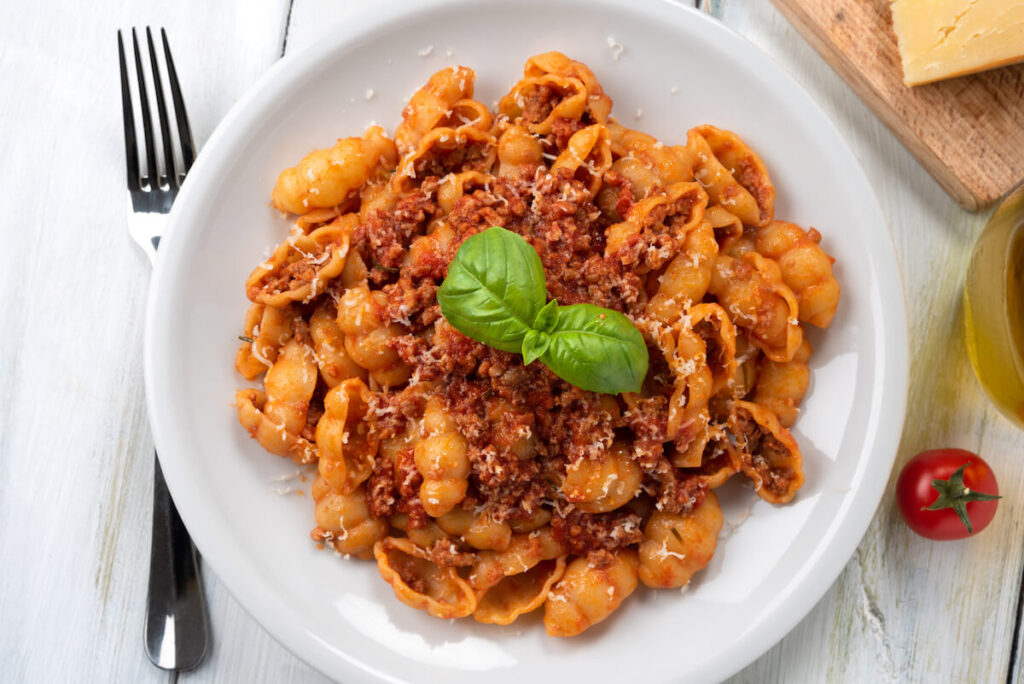
Ragù is a flavorful Italian meat sauce that’s deeply embedded in the country’s culinary culture. It’s made by slow-cooking minced or ground meat, such as beef, pork, or a combination of both, with aromatic ingredients like onions, carrots, celery, and tomatoes. Two of the most famous varieties are Neapolitan and Bolognese.
All’estero, il ragù bolognese è più famoso di quello napoletano.
Bolognese ragù is more famous than the Neapolitan one abroad.
17. Guanciale

Bacon who? Guanciale is an Italian cured meat made from pork jowl or cheeks. It is prized for its rich, porky flavor and the perfect balance of fat and meat, which adds a distinctive taste and texture to carbonara that sets it apart from other pasta dishes.
Per fare un’autentica carbonara serve il guanciale, non la pancetta.
To make authentic carbonara you need pork cheek, not bacon.
18. Scamorza, caciocavallo, burrata, stracciatella,…
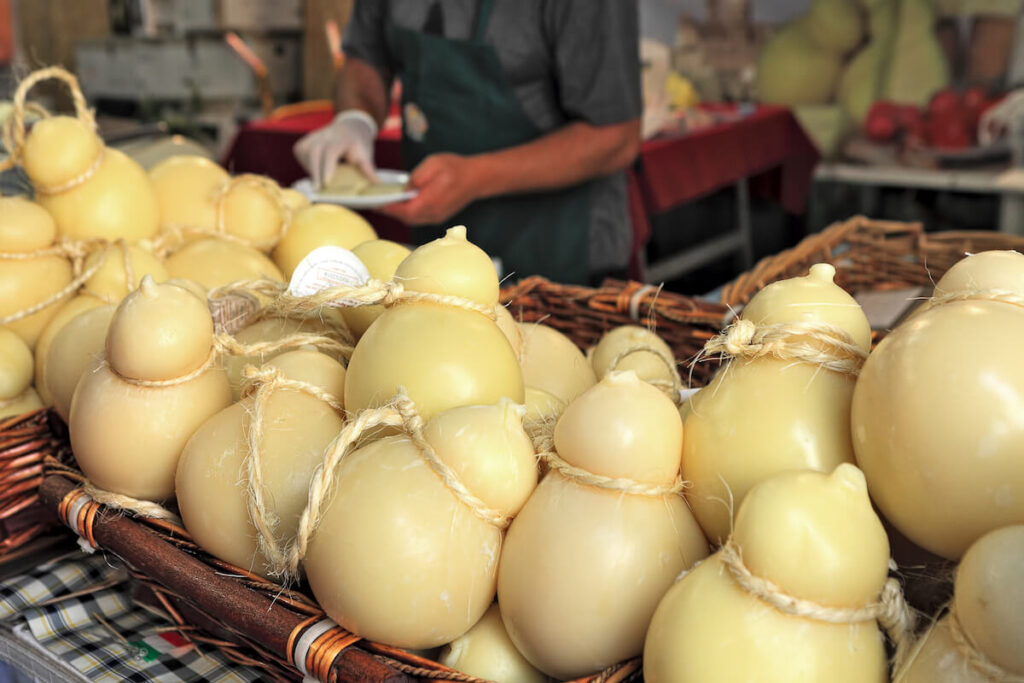
These Italian cheeses, while perhaps less known internationally than mozzarella, Parmigiano, and gorgonzola, hold immense cultural and culinary significance within Italy.
Sampling cheeses like scamorza, caciocavallo, burrata, and stracciatella will allow you to dive into the country’s breathtaking culinary heritage and create lasting food memories.
Il caciocavallo è uno sfizioso formaggio meridionale.
Caciocavallo is a delectable cheese from southern Italy.
19. Polenta
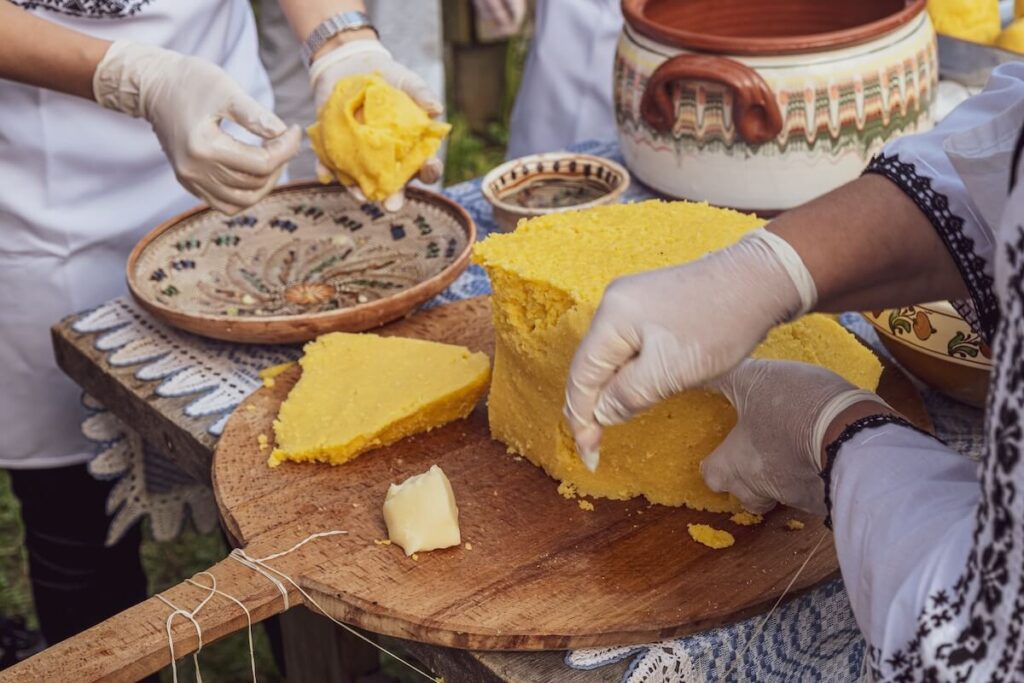
While polenta is enjoyed throughout Italy, it holds a special place in Northern Italian cuisine, particularly in regions like Lombardy, Veneto, and Piedmont.
It’s more than just a dish, though; it’s a cultural icon deeply rooted in the region’s history and traditions. At its core, polenta is a porridge-like dish made from coarsely ground yellow or white cornmeal cooked with water or stock.
La polenta è un’icona della cucina settentrionale.
Polenta is an icon of northern Italian cuisine.
20. Granita
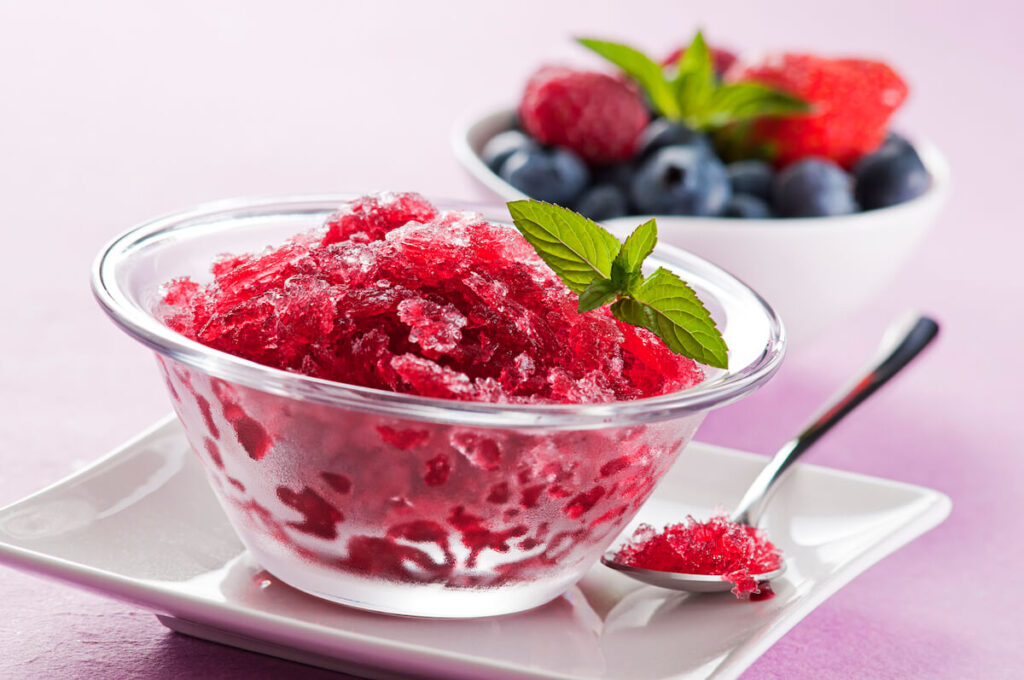
Imagine a semi-frozen concoction made from sugar, water, and various flavorings, such as fruit juices, coffee, or almond paste. This mixture is then shaved or scraped into a grainy, icy texture that’s both refreshing and indulgent.
Granita is particularly cherished during Sicily’s scorching summers. Its icy goodness provides respite from the heat, making it a popular choice for locals and visitors alike.
Granita e brioche siciliana fanno un abbinamento perfetto.
Granita and Sicilian buns make a perfect combination.
Where to eat and shop for food in Italy
21. Bar
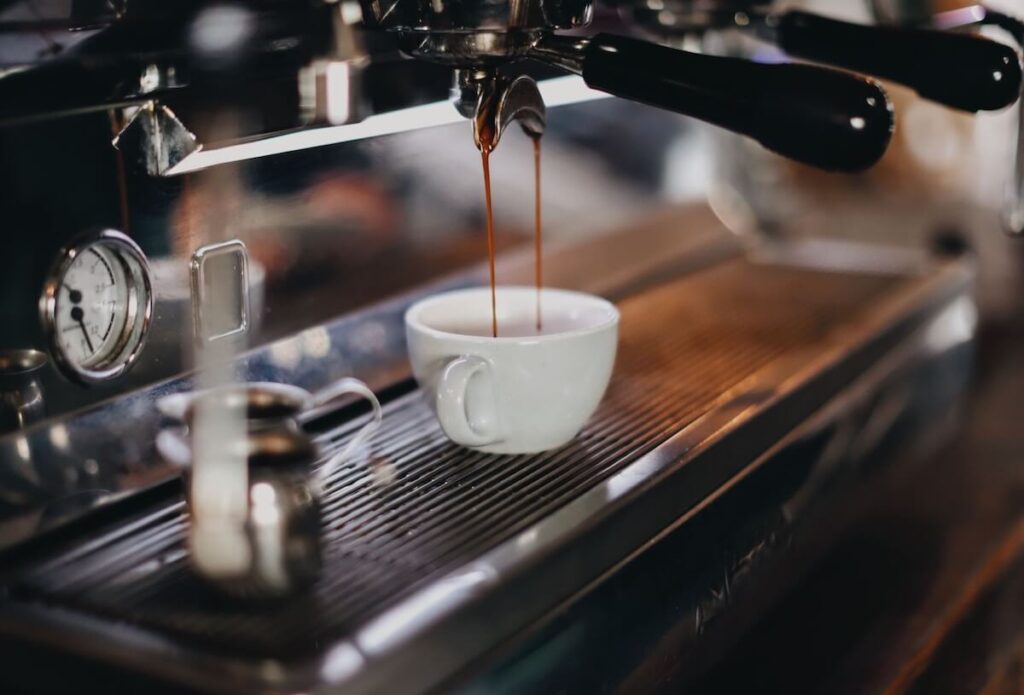
In Italy, the term bar takes on a meaning that is quite different from what English speakers might traditionally associate with a bar.
They are not primarily places for booze; they are casual, multipurpose establishments that serve as social hubs, caffeine refueling stations, and quick-bite destinations, much like a cafe.
L’espresso di questo bar è fantastico.
This bar’s espresso is amazing.
22. Panificio
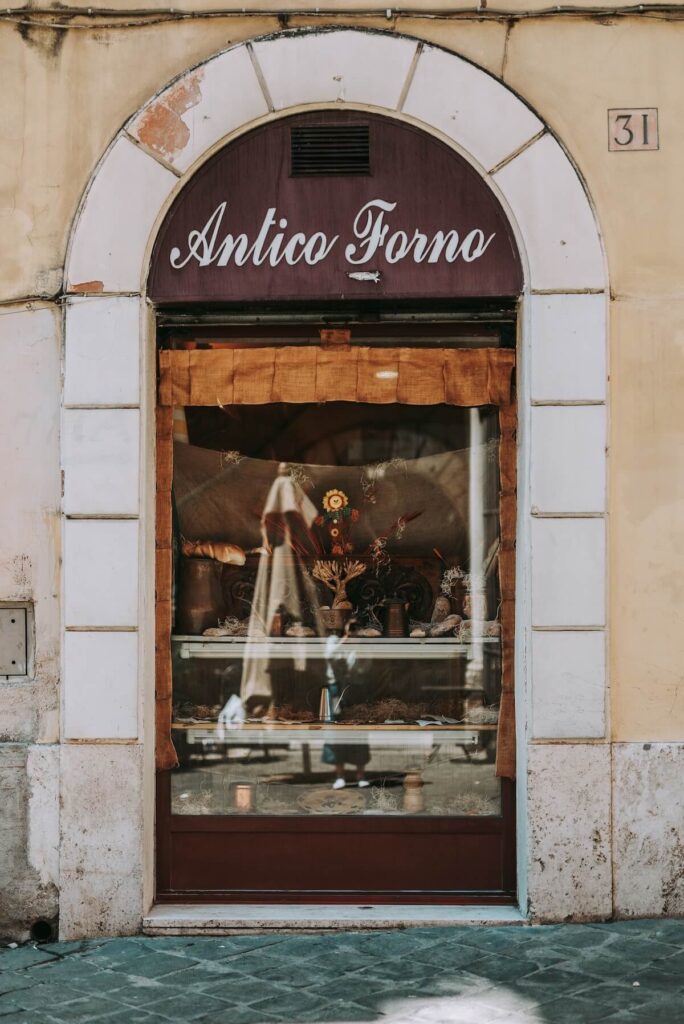
A panificio, often simply called a forno (i.e. an “oven”) is a bakery. They’re places where the art of breadmaking is practiced and celebrated.
You’ll find a wide variety of bread here, from the iconic crusty Italian loaves like ciabatta and baguette to regional specialties such as focaccia and grissini (breadsticks).
Vado a comprare una focaccia al panificio dell’angolo.
I’m going to buy a focaccia at the corner bakery.
23. Osteria and trattoria
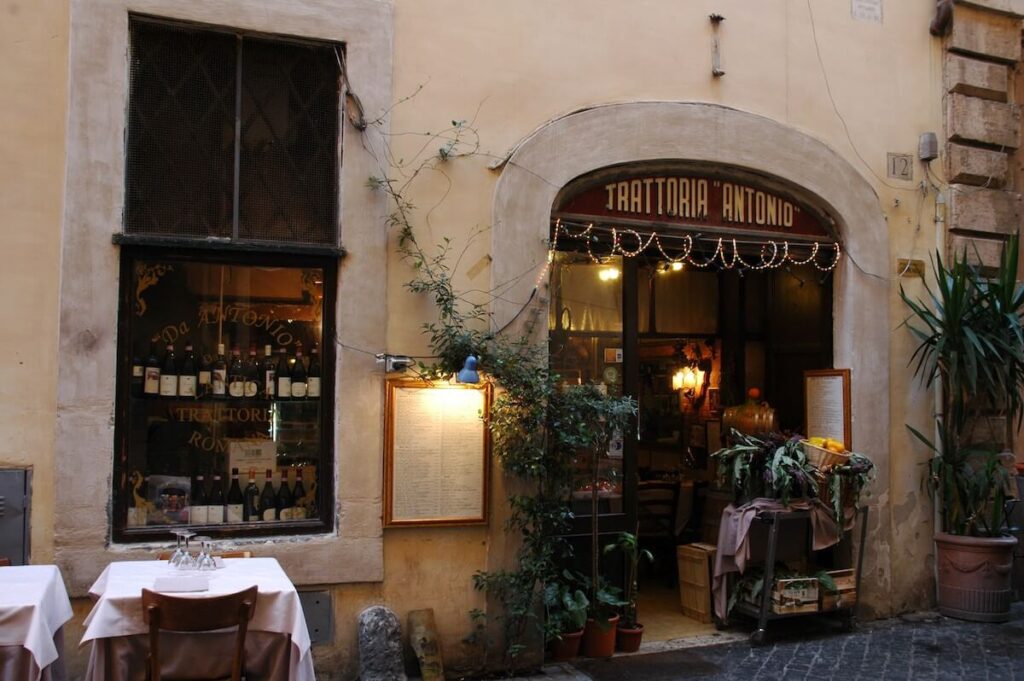
In Italy, osterie and trattorie are two types of typically affordable restaurants. Both are deeply ingrained in Italian culture and culinary traditions and represent the essence of Italian dining, where the focus is on good food, good company, and a sense of belonging.
Questa osteria è decisamente la migliore di Roma.
This osteria is definitely Rome’s best.
24. Bottega
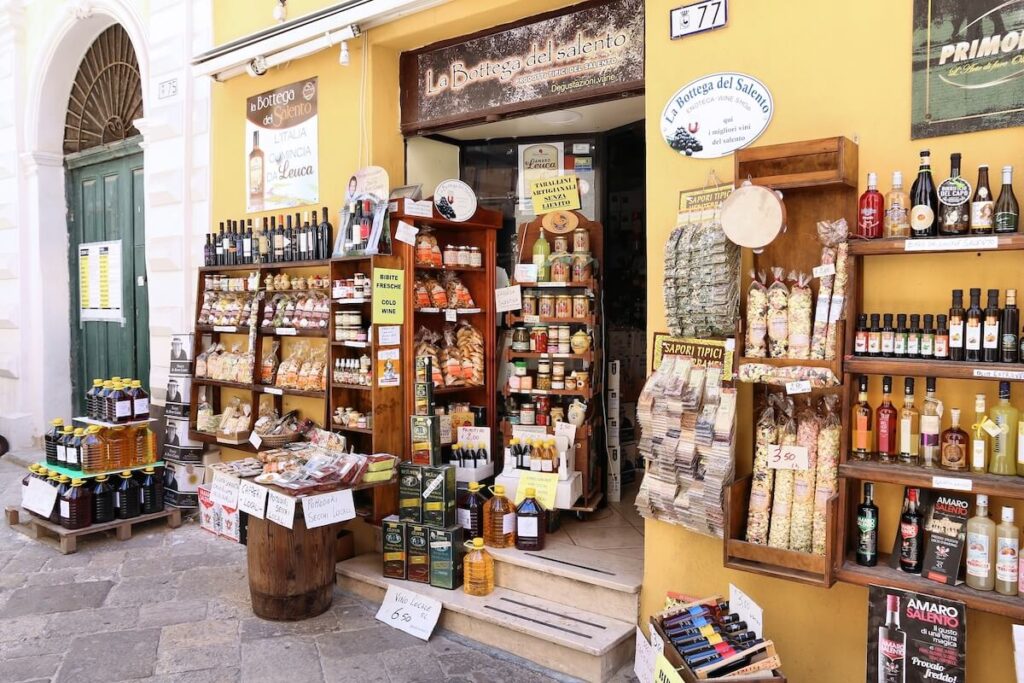
An Italian bottega is a multipurpose term, often associated with small, family-run businesses that specialize in various artisanal products, including food.
Many botteghe source their ingredients directly from local farms or producers. This farm-to-table approach supports local agriculture and ensures freshness.
Quella bottega è in realtà una salumeria.
That artisan shop is actually a cold cut shop.
25. Caseificio
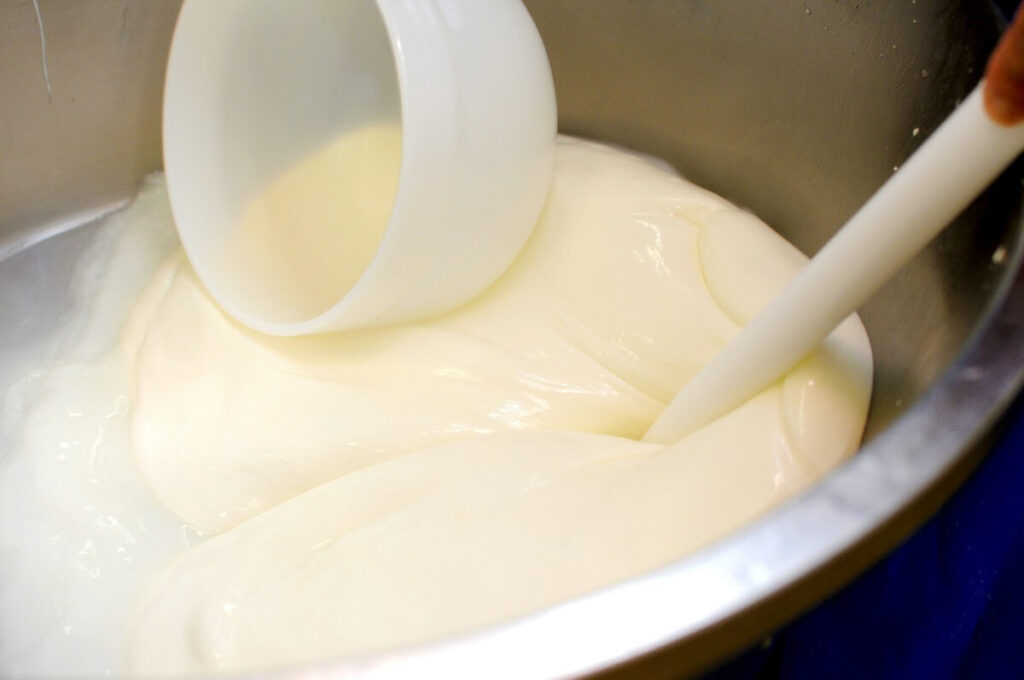
A caseificio is an Italian term that translates to “cheese factory” or “dairy.” It’s an establishment where artisanal and traditional Italian cheeses are produced.
These cheeses range from the well-known Parmigiano Reggiano and mozzarella to a wide variety of regional and local cheeses, each with its unique flavor and texture.
Ho scoperto un caseificio che fa una mozzarella buonissima.
I discovered a dairy that makes great mozzarella.
26. Pasticceria
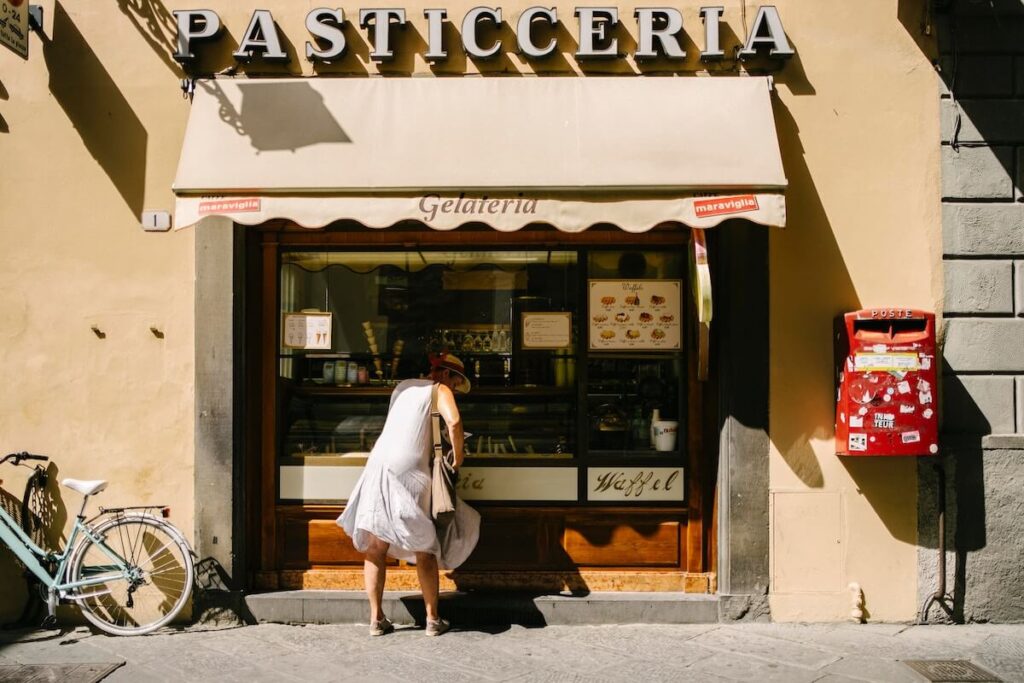
Pasticceria translates to “pastry shop” or “bakery,” It is primarily dedicated to the creation and sale of a wide variety of pastries, cakes, and sweet treats.
These sweet delights often include traditional Italian pastries like cannoli, sfogliatelle, and biscotti, along with an array of cakes, tarts, and cookies.
La pasticceria napoletana è molto pregiata.
Neapolitan pastry is highly prized.
27. Enoteca
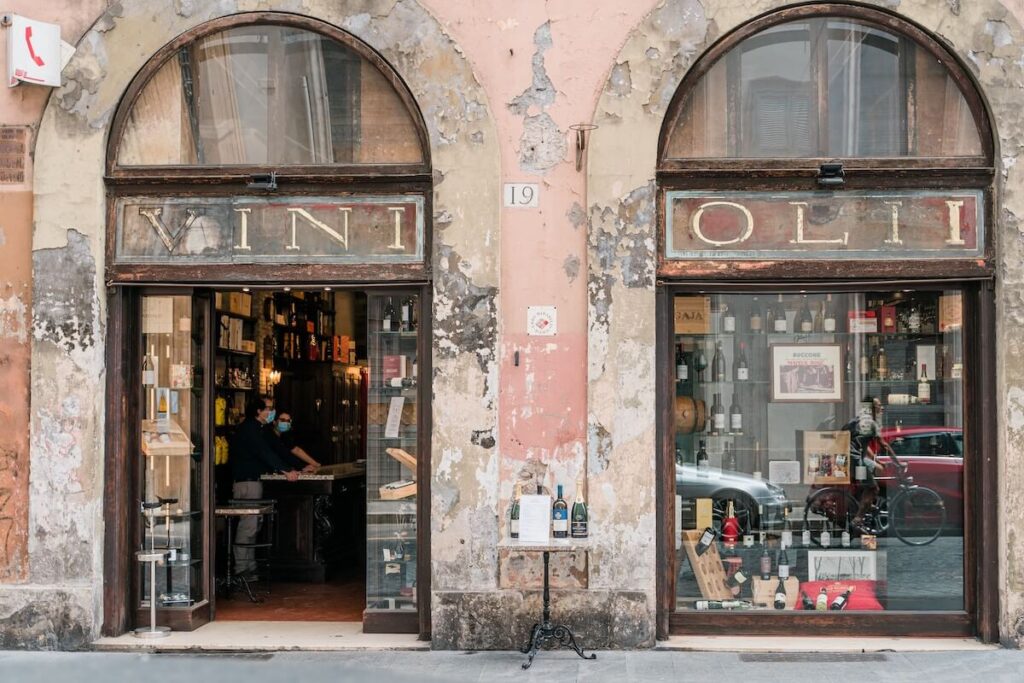
An enoteca is an Italian word that translates to “wine shop” or “wine bar.” It can take various forms, from a simple shop where you can buy bottles of wine to a sophisticated wine bar that offers a curated selection of wines for tasting by the glass.
Il Barolo che voglio sarà un po’ più economico in enoteca.
The Barolo that I want will be a bit cheaper at the wine shop.
28. Mercato
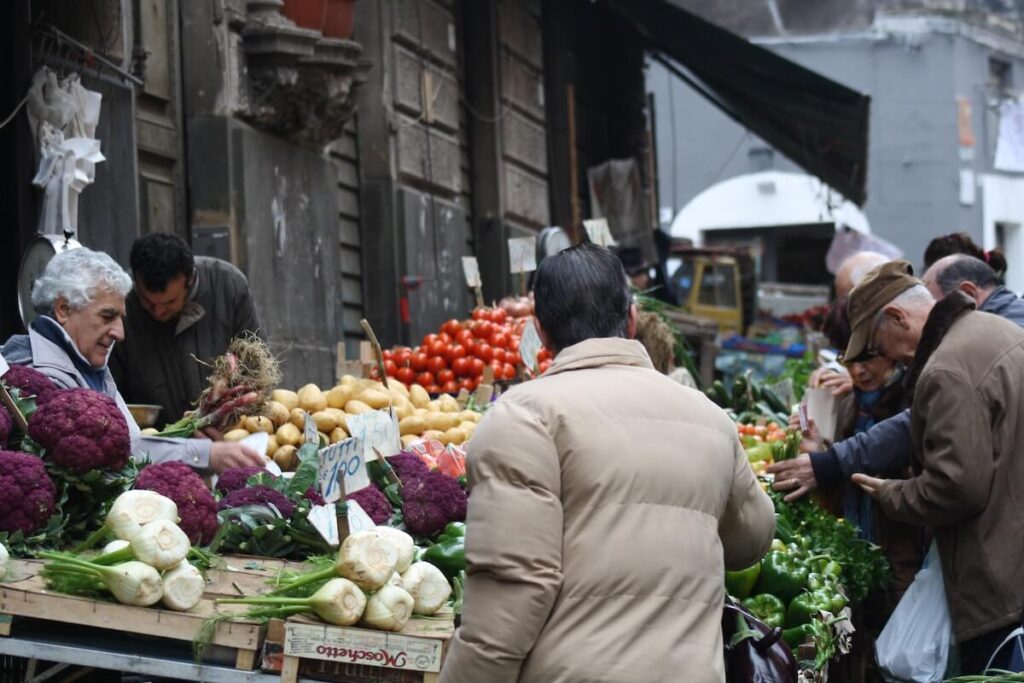
A mercato is a bustling marketplace where vendors sell a wide variety of goods, including fresh produce, meats, seafood, cheeses, clothing, accessories, housewares, and more.
Italian markets are often vibrant and lively, offering not only a place to buy necessities but also an authentic cultural experience.
Al mercato rionale si trovano i frutti e ortaggi più freschi.
At the farmers’ market, you’ll find the freshest fruit and vegetables.
Other Italian food words and phrases
29. Aperitivo

Welcome to the Italian version of happy hour! An aperitivo is a before-dinner drink, often paired with small snacks or appetizers. It’s a time for friends, colleagues, or even strangers to gather at a local bar, cafe, or restaurant to unwind, socialize, and enjoy light drinks and bites.
Dove facciamo l’aperitivo stasera?
Where are we having aperitivo tonight?
30. DOC and DOP
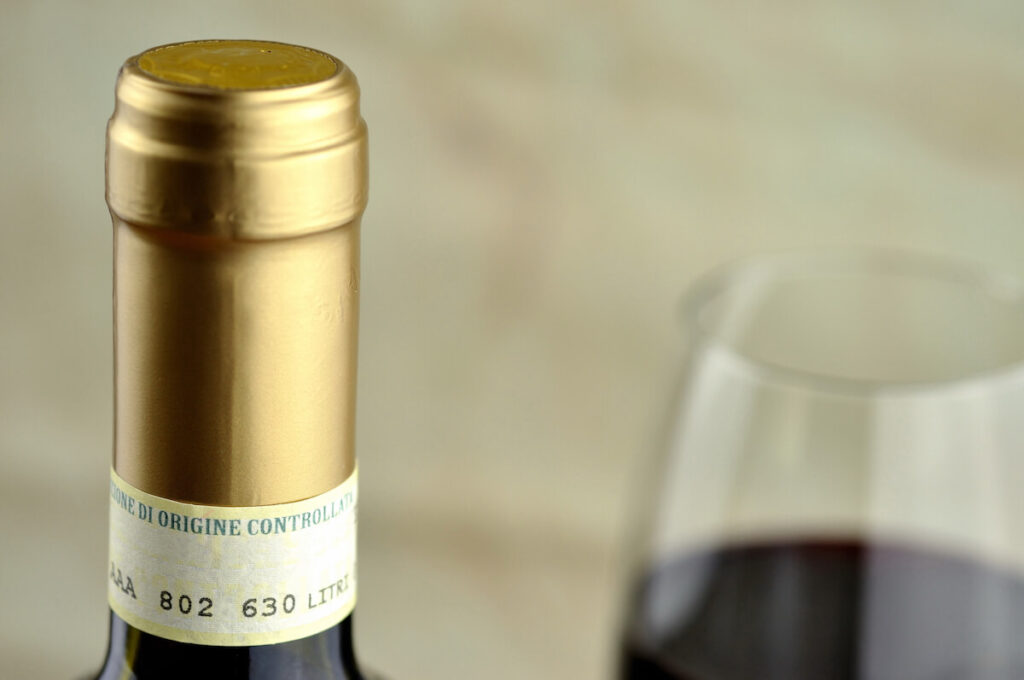
DOC and DOP are labeling terms used in Italy to indicate specific quality standards and geographical origins of food and wine products.
Both labels are highly regarded in Italy and abroad. They not only ensure product quality and authenticity but also celebrate the diverse culinary heritage of different Italian regions.
C’è per caso qualche Prosecco DOC in offerta?
Is there by any chance a DOC-certified Prosecco on sale?
31. Cucina povera
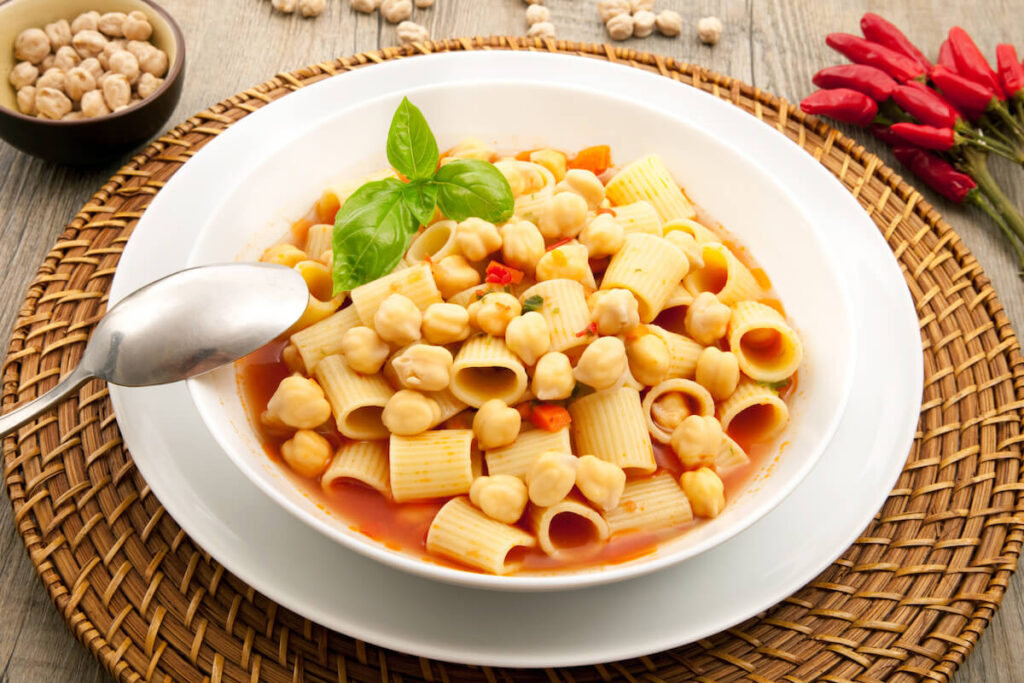
Cucina povera translates to “poor cuisine” or “peasant cooking” in English. It refers to a traditional and humble style of Italian cooking that developed in rural and economically modest regions of Italy and influenced modern Italian cuisine as we know it.
Cucina povera is a testament to the ingenuity of Italian cooks who, despite having limited resources, could turn everyday staples like bread, pasta, and vegetables into delicious and hearty meals.
La pasta e ceci è uno dei piatti più noti della cucina povera.
Pasta with chickpeas is one of the most famous cucina povera dishes.
32. Sagra
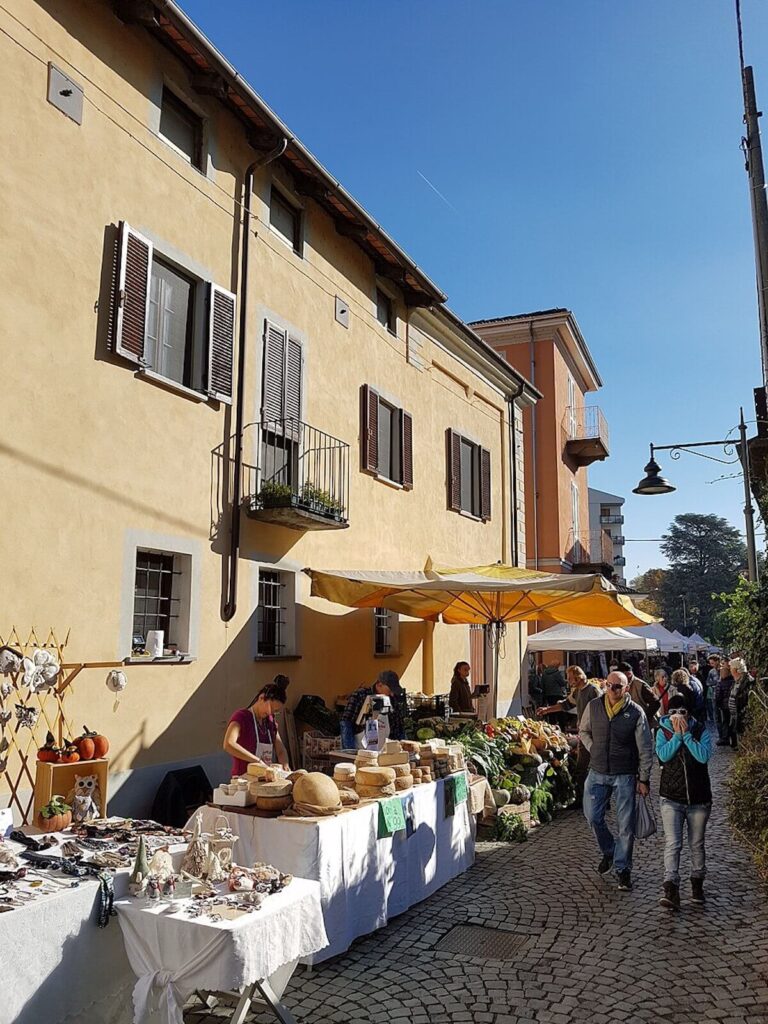
A sagra is an Italian cultural event or festival that celebrates a specific local food or agricultural product, normally against a religious backdrop. These festivals are a cherished tradition in many Italian regions and communities.
During a sagra, you can expect to find a wide variety of dishes and products made from the featured ingredient. There are usually food stalls and vendors offering tastings, as well as opportunities to purchase fresh produce and artisanal goods, much like a county fair.
Se visiti Firenze ad ottobre, devi assolutamente andare alla sagra delle castagne nella vicina Marradi.
If you visit Florence in October, you must absolutely attend the chestnut festival in nearby Marradi.
Final thoughts
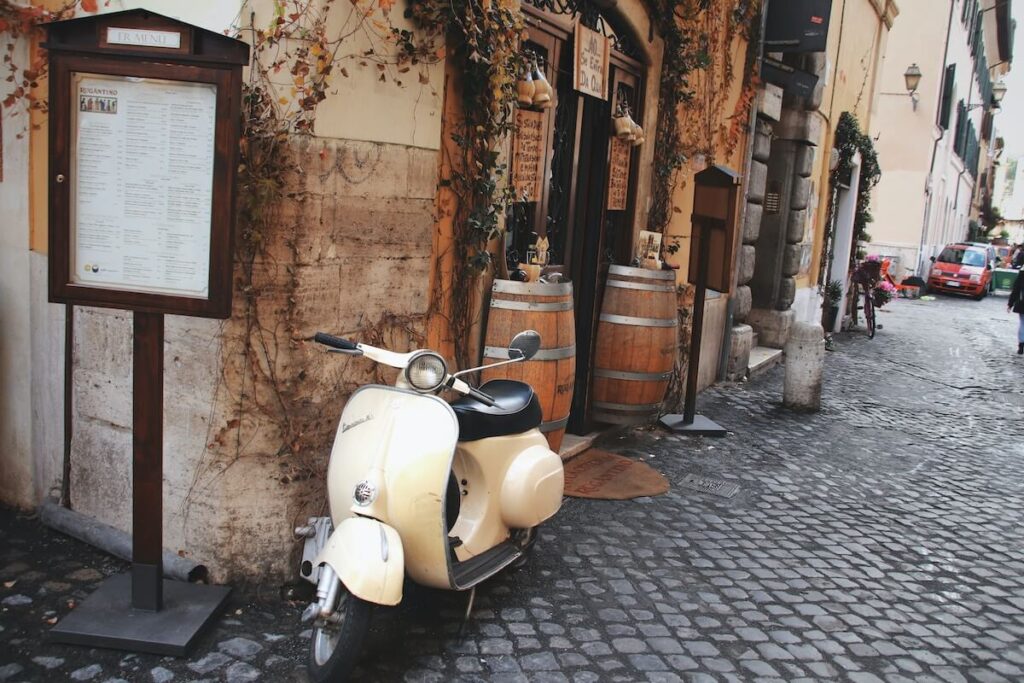
With these Italian food words in your repertoire, you won’t just know how to order food in Italian; you’ll get to savor the essence of Italy on your plate — whether you actually want to learn Italian or not.
From the bustling trattorias of Rome to the charming baccari in Venice, you’re now equipped to navigate menus and markets and maybe cook your own masterpiece with confidence.
Italy’s culinary heritage is a gift that keeps on giving, so explore, taste, and keep those taste buds tingling.