
French is a wonderful language admired the world over for being romantic and pleasing to the ear. France is also famous for its cuisine and lots of food items have worked their way into idiomatic usage.
Have you ever been told that you sing like a saucepan or that you have the potato? There are plenty of French food idioms out there in common use.
So without further ado, here are my favorite French idioms about food.
1. Chanter comme une casserole

Translation: to sing like a saucepan
Imagine being told you sing like a saucepan; it doesn’t give a good impression, does it? Essentially, this French food idiom means you’re a lousy singer. It’s an informal and unpleasant way of saying someone is tone-deaf.
Example:
– Cette femme chante comme une casserole !
– This woman is a lousy singer!
2. C’est la fin des haricots
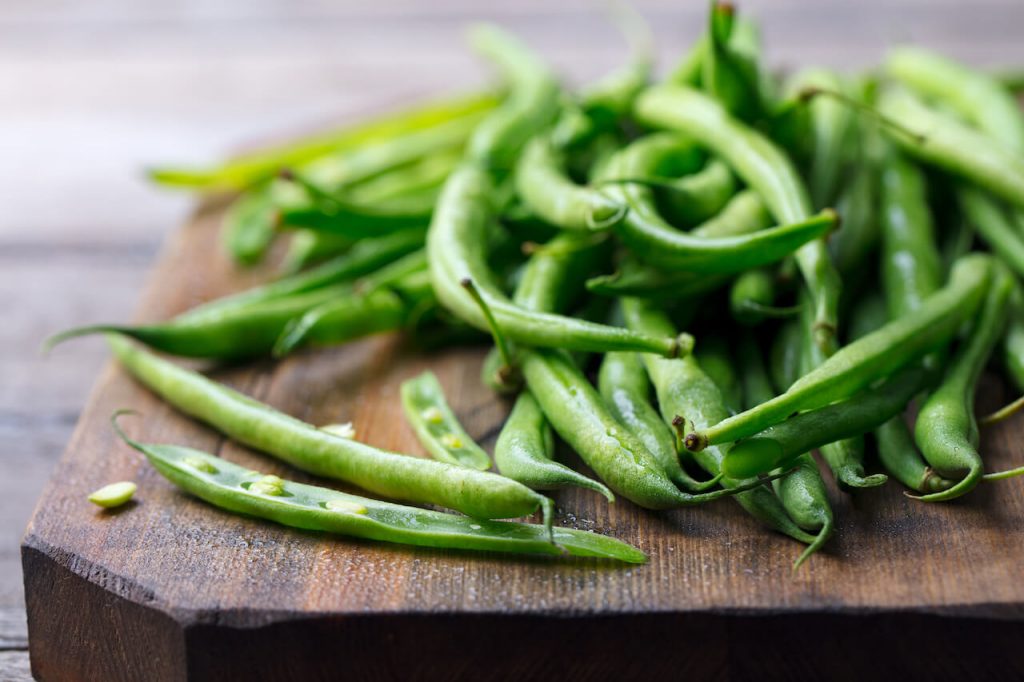
Translation: The end of the beans
When someone says it’s the end of the beans in France, it means that hope is gone, and it’s all over. Of all the French idioms about food, this is a rather sad and gloomy one!
Example:
– Si je perds cet argent, c’est la fin des haricots !
– If I lose this money, it’s all over!
3. Traîner des casseroles

Translation: To drag some saucepans
This is another French food idiom about saucepans and also another negative one. In France, if you’re dragging some saucepans, it means you’re carrying around baggage (in the figurative sense).
This phrase is frequently used to describe politicians, especially when they’ve got skeletons in their closet.
Just imagine how embarrassing, loud and inconvenient it would be to drag saucepans behind you when you’re trying to get business done!
Example:
– Elle aurait aimé se présenter comme candidate mais elle traîne des casseroles.
– She would have liked to stand for election, but she has a lot of bad history.
4. Avoir le cul bordé de nouilles

Translation: To have an ass* lined with noodles
For some strange reason, having an ass lined with noodles means you’re extremely lucky! Personally, I’m not sure why noodles on your derrière would ever be lucky. This French idiom about food has no logical explanation, but it is a rather fun image!
Example:
– Jérôme a le cul bordé de nouilles !
– Jérôme is a very lucky so-and-so!
*The French world cul is pejorative
5. Avoir un QI d’huître
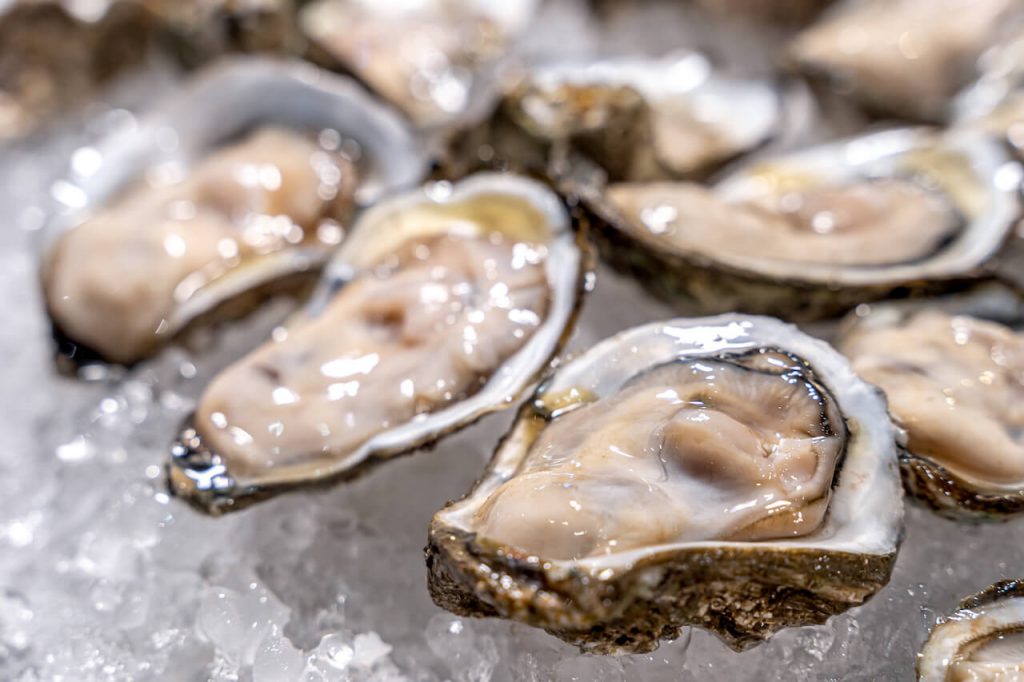
Translation: to have the IQ of an oyster
Of all the French food idioms, I simply love this one! Of course, it’s very insulting to describe someone as having the IQ of an oyster. There are other interesting versions of this weird French phrase too – and all are seafood-related.
Example:
– Il est vraiment stupide, il a un QI d’huître !
– He is so stupid, he’s as thick as a plank!
6. Casser du sucre sur le dos de quelqu’un

Translation: breaking sugar on someone’s back
With sugar being sweet, you might be inclined to think this weird French phrase is a nice one, but you’d be mistaken. When you break sugar on someone’s back, you’re engaging in gossip about them in a malicious way.
Example:
– Dès qu’il est parti, ils lui ont cassé du sucre sur le dos.As soon as he left, they slagged him off.
7. Faire l’andouille

Translation: to make the sausage
No, you’re not following a recipe; if you make the sausage in France, you’re fooling around and being silly. Another alternative – also related to food – is faire le cornichon. As far as French idioms about food go, these are comical!
Example:
– Arrête de faire l’andouille!
– Stop acting the clown!
8. S’occuper de ses oignons
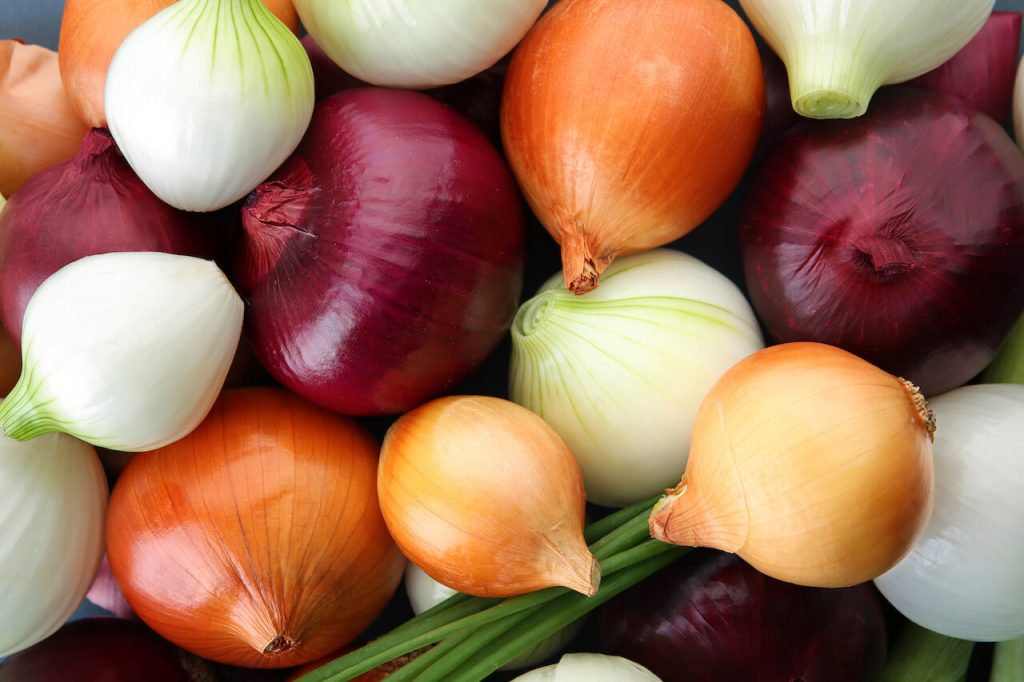
Translation: to take care of one’s onions
No, you’re not asking someone to look after their vegetable garden or chop onions for a recipe! In France, when you ask someone to take care of their onions, you want them to mind their own business. Basically, this French food idiom is used when someone meddles in something that doesn’t concern them.
Example:
– Je ne pense pas que tu sois heureux.
– Occupe-toi de tes oignons !
– I don’t think you’re happy
– Mind your own business!
Fun fact: Back in 2016, the Académie Française announced the change of spelling of more than 2000 words, including oignon. You’ll often see it as ognon now.
9. En faire tout un fromage

Translation: to make a whole cheese about it
Of all the French idioms about food in this list, I think this one is really French. I mean, the French just love their cheese, so for me, this idiom is great!
But, that said, it’s not about cheese at all. Rather, making a whole cheese about something just means you’re making a big fuss over nothing.
Example:
– Elle en a fait tout un fromage mais ce n’était pas important !
– She made a big song and dance about it, but it wasn’t important!
10. Aller se faire cuire un œuf

Translation: to go and cook oneself an egg
If you’re in France and you’re told to go and cook yourself an egg, you’re in someone’s bad books. This French food idiom indicates that someone wants you to leave them alone. Despite being about food, it’s quite rude and insulting. An equivalent in English would be ‘go to hell’.
Example:
– Tu n’as pas fait la vaiselle !
– Va te faire cuire un œuf, j’ai travaillé toute la journée !
– You haven’t done the washing up!
– Go to hell. I’ve worked all day long!
11. Cracher dans la soupe
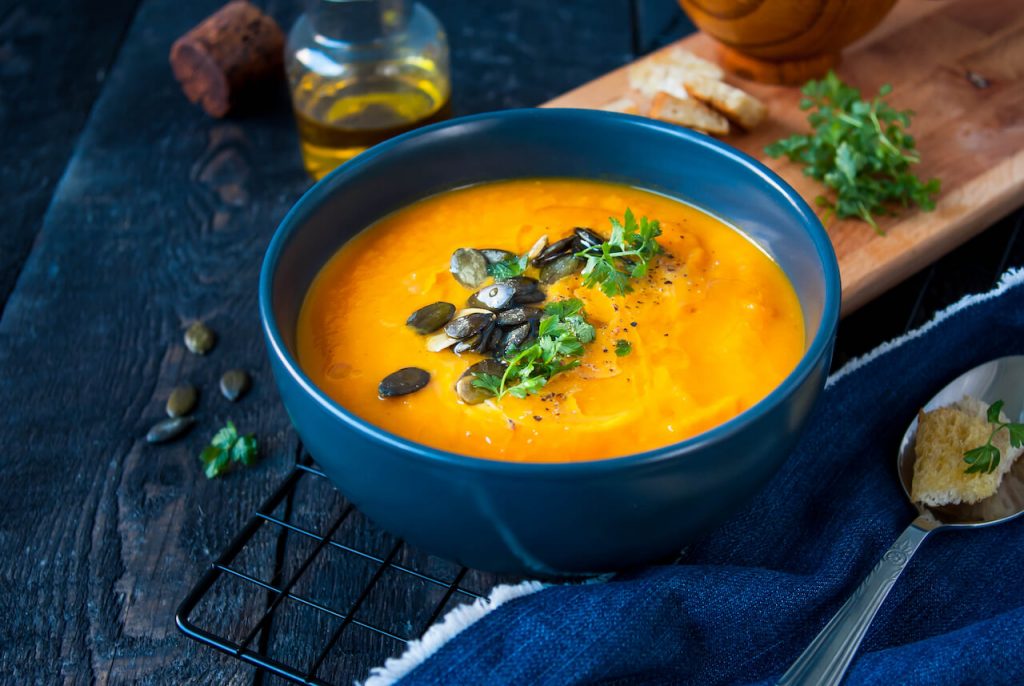
Translation: to spit in the soup
Quite a grim weird French phrase this time. When you spit in the soup in France, you’re not literally doing so. This idiom means you’re ungrateful. An equivalent in English would be ‘to bite the hand that feeds you’.
Example:
– Ne crache pas dans la soupe !
– Don’t bite the hand that feeds you!
12. Tremper son biscuit

Translation: to dip your biscuit
While sounding quite innocent, tremper son biscuit is far from it. This French food idiom is related to a man having sexual intercourse – and is quite a vulgar phrase at that.
Example:
– Alors mec, tu as trempé ton biscuit hier soir ?
– So dude, did you get laid last night?
13. Ça n’a rien à voir avec la choucroute

Translation: that has nothing to do with sauerkraut
Unless you’re talking about the fermented cabbage dish, sauerkraut probably hasn’t entered your head. When you hear someone use this weird French phrase, you’ve probably said something completely off-topic and irrelevant.
A good English equivalent might be “what’s that got to do with the price of fish?” – though this is mainly used in the UK, I love it!
Example:
– Qu’est-ce qu’on mange ce soir ?
– J’ai regardé un film ce matin.
– Ça n’a rien à voir avec la choucroute !
– What are we eating tonight?
– I watched a film this morning.
– What’s that got to do with it?
14. Avoir la patate

Translation: to have the potato
Here’s a French idiom about food that also has a food-related equivalent in English – though not the same food. If you ‘have the potato’ in France, you feel great and are on good form, a bit like being ‘full of beans’ in English.
Example:
– Elle a la patate aujourd’hui !
– She’s full of beans today!
15. Couper la poire en deux

Translation: to cut the pear in half
When you cut the pear in half to a French person, you’re meeting them halfway. Another way of saying this in English is splitting the difference.
Example:
– Normalement, on doit couper la poire en deux.
– Normally, we have to meet in the middle.
Conclusion
So there you have it, 15 French idioms about food to whet your appetite and get your teeth into. See what I did there? I’ll stop making the sausage now and go and take care of my onions!