
English is officially the most common language on the planet! Chances are, everyone you meet will speak at least one English word—thanks largely to smartphones, computers, and other technology. English also has a long, interesting history. There are so many surprising facts about the English language!

English has also been around for around 1,400 years and has been anything but stagnant. English has changed wildly over its lifetime and picked up a whole lot of interesting quirks along the way.
So, buckle up for 26 fun facts about the English language, to help your English study, your English language trivia knowledge, or just know more about the language you speak every day.
1. One in four people in the world speak English

Since English is the most commonly spoken language in the world, that shakes out to about 1.4 billion English speakers—about one in four people. So everywhere you go, you’re likely to find someone who speaks a few words of English.
Of course, that doesn’t mean you shouldn’t learn a few words of the native language when you’re on the road. It’s just polite!
2. The newest letter in the English alphabet is the letter “J”

The next fun fact about the English language? The most recent English letter!
The most recent addition to the English alphabet (which actually once had 29 letters, not 26!) is the letter “J.” (Seems like it would be “Z” but…I digress). The English alphabet is derived from the Latin alphabet, which did not have the letter J at all.
So, Mr. Julius Caesar? Actually Iulius Caesar until J was adopted into the alphabet.
3. A new word is added to the English dictionary about every two hours

English is constantly evolving. So much so that approximately every two hours, a new word is added to the English dictionary. That adds up to around 4,000 new words every year!
So, the next time you tell someone “lol” isn’t a word, check your facts: as of 2011, it officially has been in the dictionary.
4. The English language has over one million words

As you can imagine with a language that adds 4,000 new words a year (on average), English has a lot of total words. Although the exact number is hotly debated, most experts estimate that English has over one million words.
Of course, most people aren’t using one million different words (don’t panic!). Most English speakers have an active vocabulary of around 20,000 words, with a passive vocabulary of around 40,000 words.
That said, expanding your English vocabulary is a worthy endeavor whether you’re a student, teacher, or language enthusiast. These English vocabulary books can help.
5. Shakespeare added over 1,700 new words to English
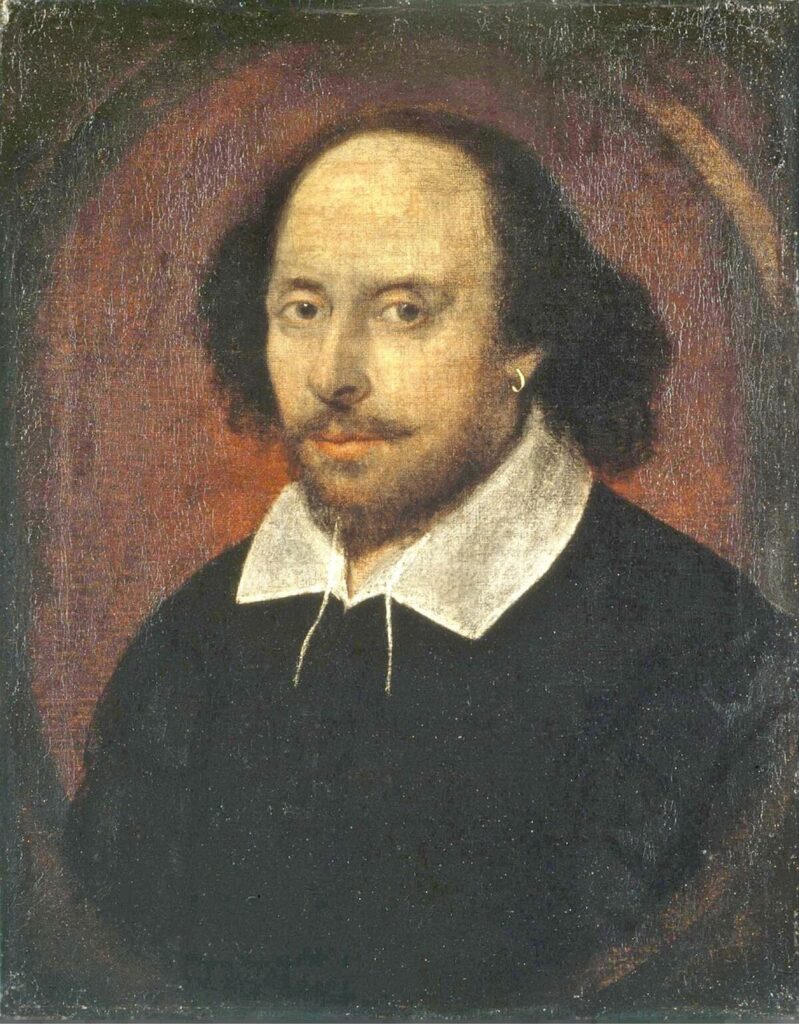
William Shakespeare, a playwright and poet, had an enormous impact on the English language. It’s estimated that he contributed over 1,700 new words to English! Just this one guy!
A few common words you can thank Shakespeare for are alligator, lackluster, eyeball, gloomy, gossip, traditional, and gloomy.
He also contributed many phrases and idioms to the language, like the “green-eyed monster,” “get your money’s worth,” and “cold comfort.”
6. The oldest English word is “town”

The oldest (or one of the oldest words in English) is the word “town,” which dates back to at least the 12th century.
What’s even more unique about the word town is that it’s been in continuous use, and has retained the same meaning—both uncommon in an ever-changing language like English!
Some of the other oldest words in English include “we,” “fire,” “ashes” “black,” “hand,” “give,” “two,” “who,” and “mother” (which some consider to be the oldest word in any language, ever).
7. English is the language of the air

Did you know the air has its own language? That is, all pilots have one standard language they must know, to make sure they can communicate with other planes and pilots all over the world.
This is known as “Aviation English,” and combines plain English with more plane-specific terms. So if your dream is to fly the skies, you may want to learn some English!
8. The letters “ough” can be pronounced in at least eight different ways

Oh, English! Confusing language learners since day one (probably). The letters “ough” are particularly tricky when you’re learning English, as they can be pronounced in at least eight different ways.
Need some proof? Some of the most common pronunciations are enough (enuf), though (tho), cough (coff), through (thru), plough (plow), and thought (thawt).
9. 11% of the English language is the letter “E”
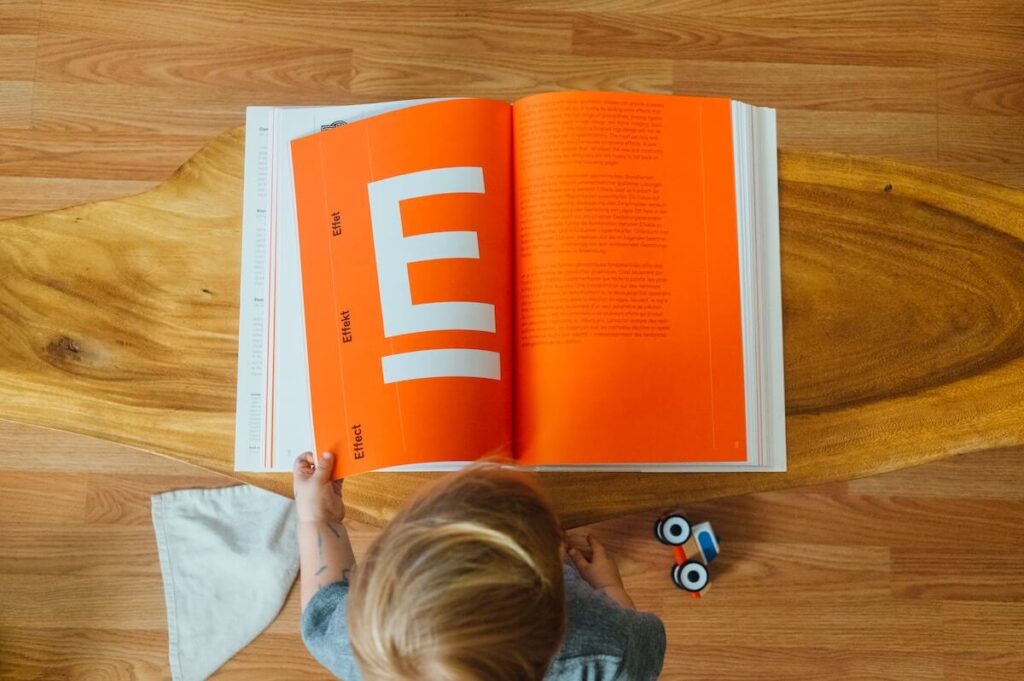
Have you ever wondered what the most common letter in English is? Well, I’ve got ya covered—it’s the letter “E!” E is so commonly used that a full 11% of the entire English language is made up of E.
The letter “A” follows at around 8%, then the letters “R” at “I” tie at 7.5%.
10. There are 24 dialects of English in the United States

There are an estimated 160 dialects of English spoken worldwide—and 30 of these dialects are in the United States alone! Walk into a room full of Americans from all over the country and ask each person how they say the word for a soft drink. You’ll get soda, pop, soda pop, soda water, or even Coke.
The Eastern seaboard has many dialects, in tiny pockets throughout, while the American West tends to have fewer dialects that cover several states.
For example, in the Northeast, you have the New Yorker, New England Eastern, New England Western, and Hudson Valley (to name a few!). In the Northwest, you have only the Rocky Mountain dialect and the Pacific Northwest dialect.
11. Many English words have changed meaning over time
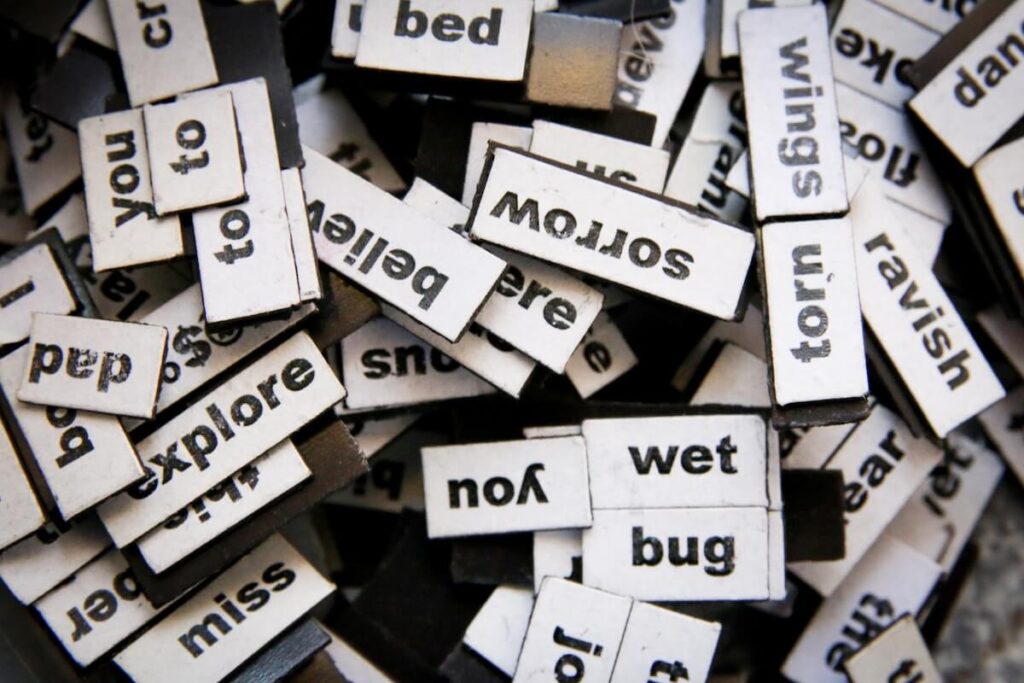
As I’ve mentioned, English is anything but stagnant! Many words started out with one meaning, and now mean something else. One prime example is the word “awful,” which used to mean “full of awe.” Nowadays? It means terrible! What a switch!
Other common words that used to mean something else? Girl (once was used for children of all genders), flirt (once a verb meaning “to flick away”), quell (which used to mean kill!), and nice (formerly silly).
12. 70% of information stored on the Internet is in English

The Internet was originally created in English and is still the main language used by developers, so it tracks that 70% of the information found on the internet is in English.
As the internet gets more widespread, though, this is slowly changing. Most people agree that Chinese will overtake English on the internet before we know it.
13. The dot on top of the letters “i” and “j” is called a “tittle”

Who knew that those little dots on the tops of lowercase “i’s” and “j’s” actually had a name? They’re called a tittle. So the next time someone forgets to dot their i, remind them to add the tittle!
14. English is the official language of over 67 countries, including Fiji, Ireland, and the Philippines

Although it would seem like the United Kingdom and the United States are the only countries where English is the official language, this is far from the truth! English is the official language of over 67 countries, all over the planet.
We’re talking Ireland and Australia but also places like Fiji and the Philippines, the Bahamas and the Gambia, Malta and Belize.
15. English is not the official language of the United States
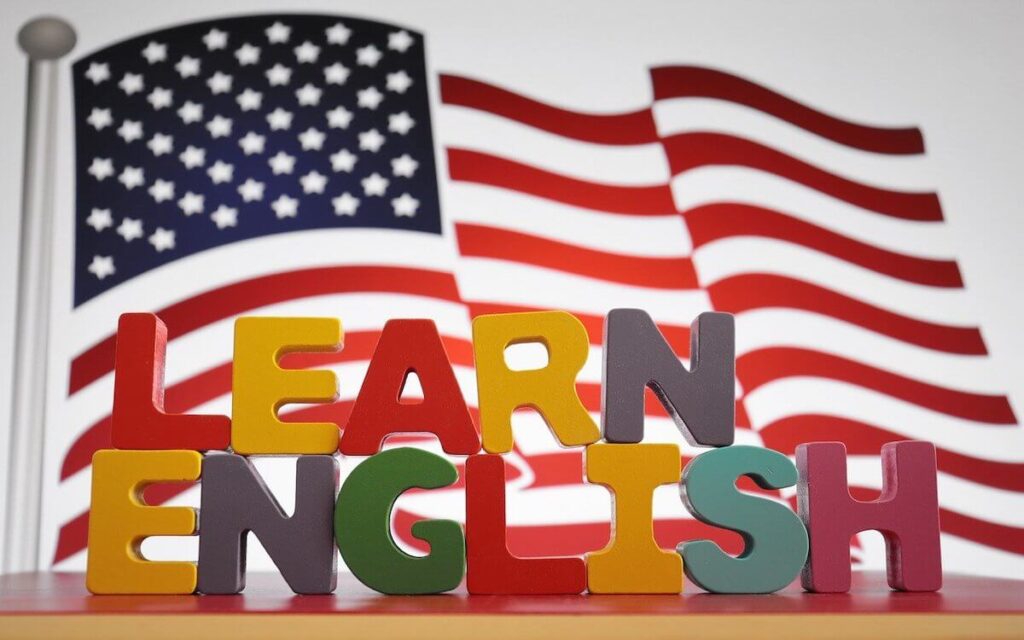
It may surprise you that of the 67 countries where English is the official language, the United States is not one of them. And neither is the United Kingdom!
Although English is the de facto official language of both these countries, it’s not official in the United States because the constitution (essentially) forbids the forcing of any one language on any person.
In the United Kingdom, it was decided not to force English as the official language, to promote unity between England, Scotland, Wales, and Northern Ireland (the countries that make up the United Kingdom).
16. The first English dictionary was printed in 1604

English has been around for over a thousand years, but the first English dictionary wasn’t printed until 1604. Written by Robert Cawdry, the “Table Alphabeticall” defined, in simple terms, around 3,000 words.
However, in 1755, Samuel Johnson wrote what is considered to be the first definitive English dictionary, A Dictionary of the English Language. Johnson’s goal was to make English, especially books, more accessible to everyone.
His dictionary was also the first to enforce (or attempt to enforce, anyway) standard spelling and grammar for the wild card language.
17. English is known as a “borrower” language
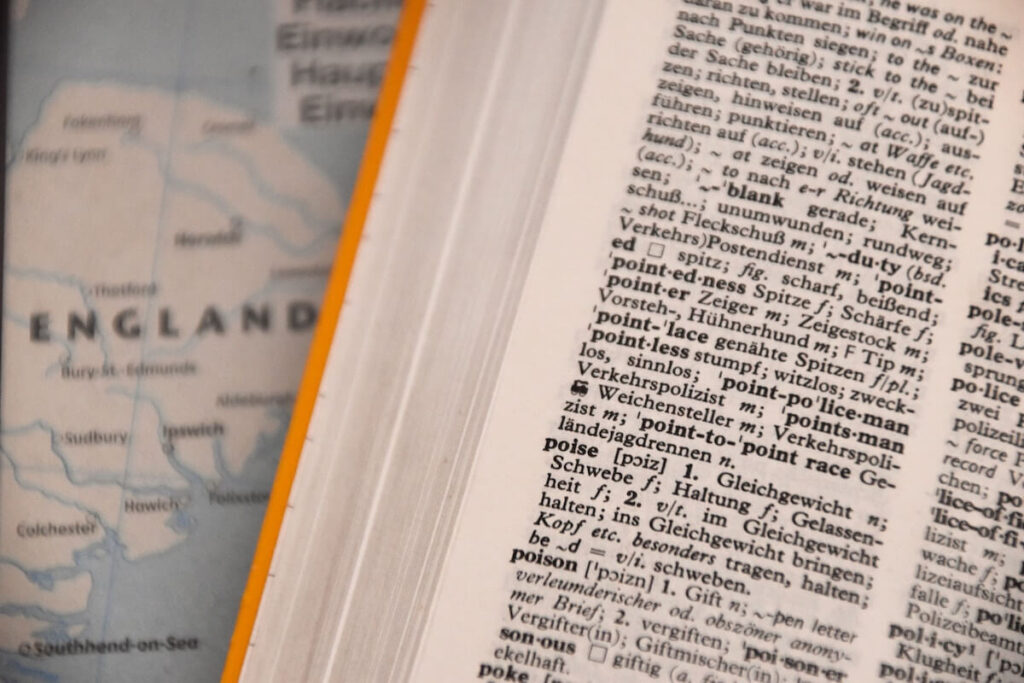
Part of the reason that English is always changing is because it’s a “borrower” language—as in, many of its words come from different languages to become a new English word, or a “loanword.”
It’s estimated that English has loanwords from around 350 other languages and that a full 80% of English might be made up of loanwords.
Here are some examples of loanwords: tsunami and typhoon (Japanese), justice and ballet (French), lemon and safari (Arabic), pretzel and poodle (German), canyon and coyote (Spanish), bug and dirt (Norwegian).
18. The shortest grammatically correct sentence in English is “I am”
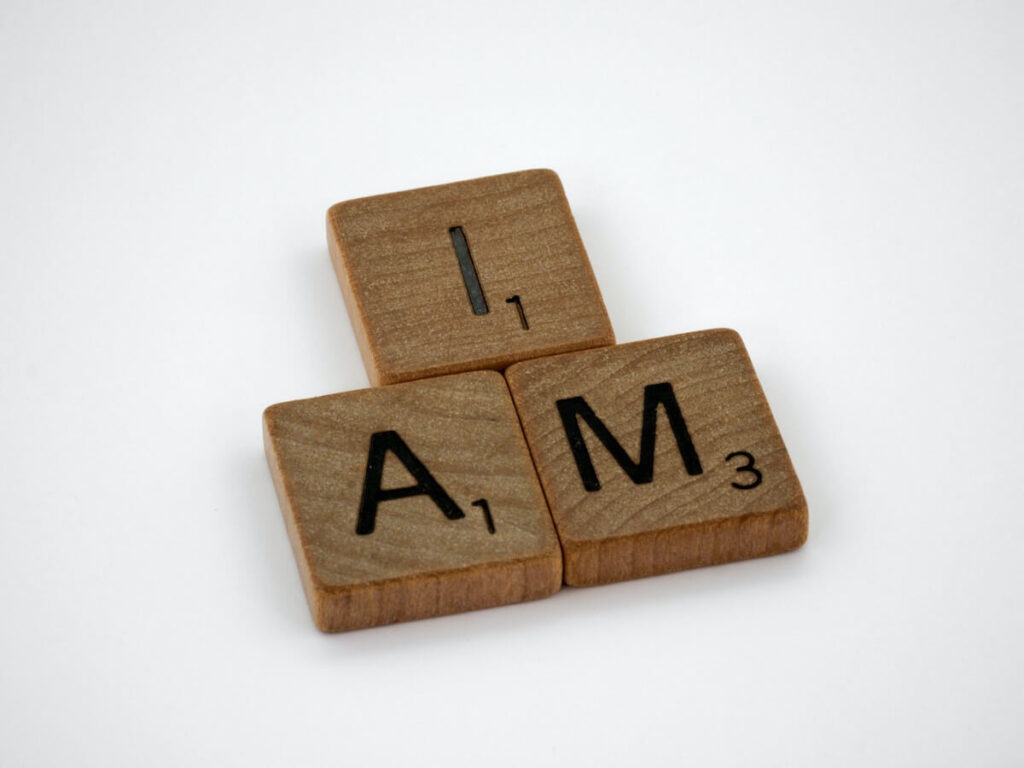
Okay, this one is a little controversial! Some say that “Go!” is actually the shortest grammatically correct sentence in English.
However, we’re going with “I am” as the shortest (and still correct) English sentence, as it has an explicit subject, whereas “Go!” is just a command.
19. You can use every letter of the English alphabet in one sentence

A sentence that contains every letter of the alphabet is known as a pangram. The most famous pangram in English (which you’ve probably seen every time you try out new fonts, or in typing class) is probably “A quick brown fox jumps over the lazy fox.”
Go ahead, count ‘em, and check my facts!
20. Many English words are portmanteaux

To keep things spicy, English also gets new words from the combination of two other words. These are called a “portmanteau,” and specifically take the beginning of one word and the ending of another and mash ‘em together.
Words such as brunch (breakfast + lunch), hangry (hungry + angry), email (electronic + mail), popsicle (pop + icicle), and screenshot (screen + snapshot) are all considered portmanteaux.
21. The least common English letter is “Z”

You know the most common letter in English—E!—but what is the most uncommon? Z! Followed by Q, J, X, K, V, and—weirdly—the letter B.
22. English originated from West Germanic languages

If you’d asked me before this, I would’ve said that English originated in jolly old England. But, nope! English was brought to England by Germanic invaders in the 8th and 9th centuries.
When the Normans invaded Britain in the 11th century, their language, Old Norman, was combined with these West Germanic dialects to create Middle English, which is generally considered the precursor of Modern English.
23. The closest living language to English is Frisian

Thanks to its German roots, the closest living language to English (or language that is still spoken) is Frisian. Frisian is currently spoken in parts of the Netherlands and northwestern Germany.
Americans visiting these areas, however, probably won’t be able to understand Frisian (although they may catch a few words!). But if you happen to be fluent in Old English, you may be able to get around!
24. Today’s British accent originated in London around the year 1775

It’s strange to think that the British accent as we know it didn’t always exist! Experts estimate that it first arrived around the time of the American Revolution, in London, around 1775.
25. More people in the world speak English as a second language than there are native speakers of English

English is unique amongst languages in that most of the speakers of English are not native speakers. Many people speak English as their second language or even third language. Of course, there are still plenty of native English speakers, with around 250 million in the world.
26. “The” is the most commonly used word in English
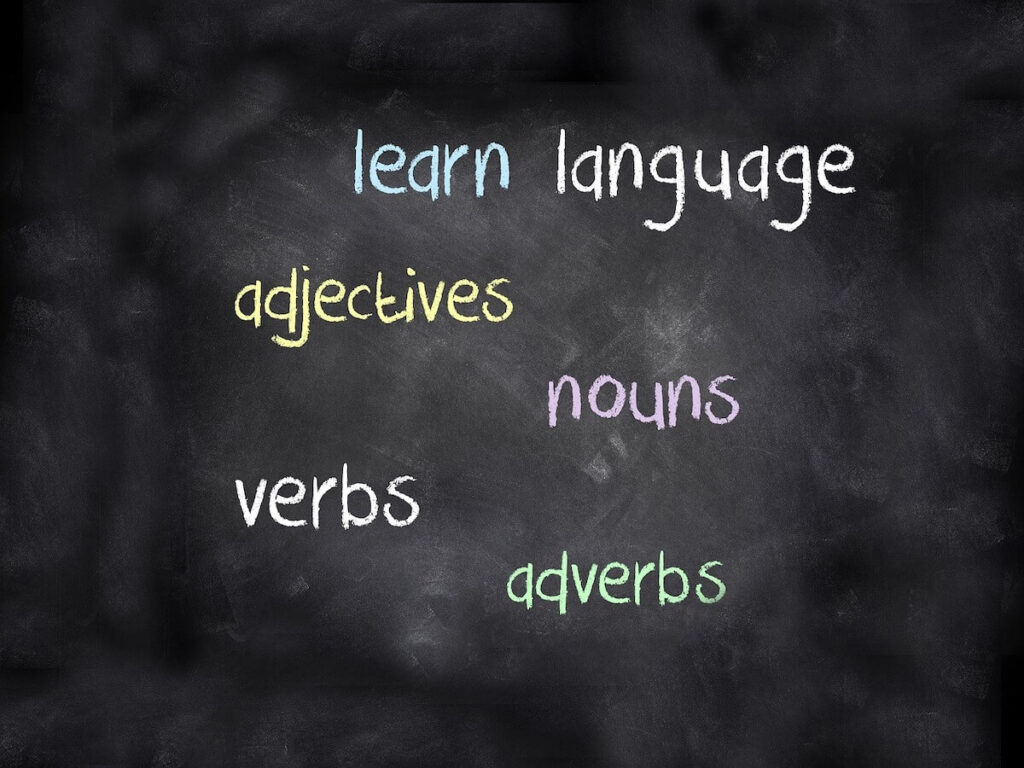
You know the most common, and least common, English letters. But what are the most common English words? “The” clocks in as the most used English word, overall.
The most commonly used verb in English is the word “be,” and the most commonly used noun is “time.”
Conclusion
There you have it—some of the most fun facts about the English language! Use them (along with these handy English learning resources) to improve your English, impress your friends, and grow your knowledge.
Which one of these interesting facts about the English language was most surprising to you? Share in the comments below!