
From opening doors to new cultures and making lifelong connections to boosting your cognitive abilities and expanding your horizons, the benefits of being bilingual are enormous.
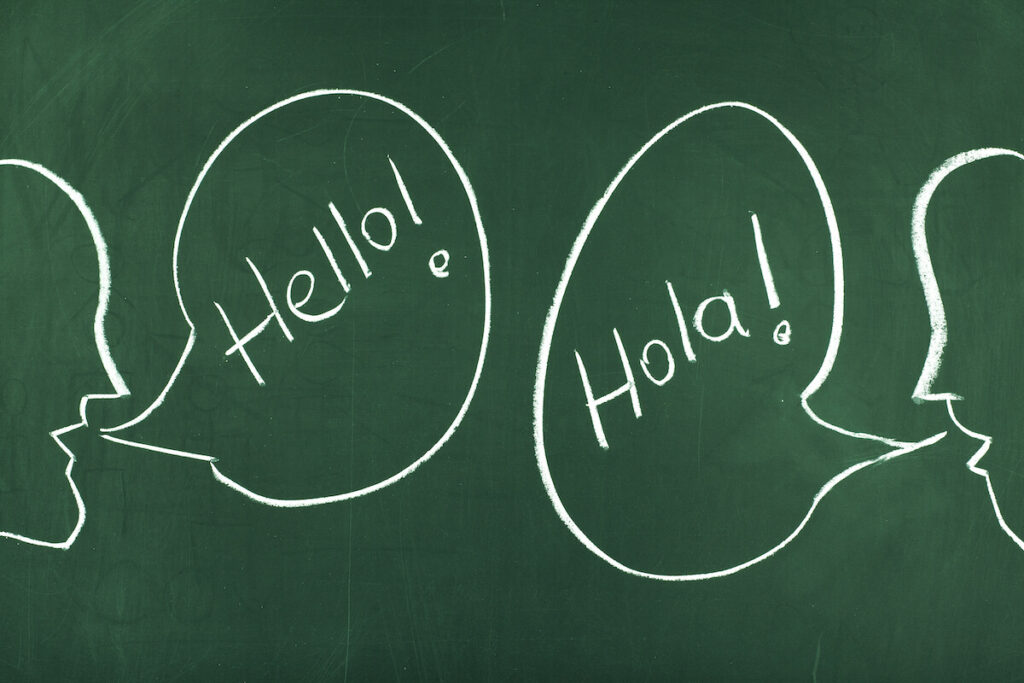
Being bilingual is like having a secret key to a world of wonders; it’s an adventure that will take you beyond the boundaries of your own language and immerse you in a vibrant tapestry of linguistic diversity.
In this post, I’m going to delve into the captivating pros of bilingualism that make it both practical and deeply rewarding. You’ll discover how a bilingual brain can enhance your communication skills, broaden your perspectives, and even shape the way you think.
Top benefits of being bilingual
1. Bilingualism will broaden your horizons.

Being bilingual is like having a superpower that can transform your perspective on the world. When you learn a second language, you open yourself up to a whole new universe of cultures, traditions, and experiences.
First off, you gain a deeper appreciation for the nuances of language, customs, and traditions, and you can connect with people on a more profound level.
Whether it’s exploring the hidden gems of a foreign city or engaging in conversations with locals, being bilingual enables you to bridge cultural gaps and form genuine connections.
Plus, bilingualism boosts a sense of empathy and understanding. As you navigate between languages, you develop a heightened sensitivity to the challenges and joys of language learning.
By speaking more than one language, you gain access to a wealth of literature, music, films, and art that might have remained inaccessible otherwise. You can savor the nuances of poetry, uncover the depths of storytelling, and embrace different perspectives on life.
2. You’ll meet new friends…

One of the incredible pros of being bilingual is the opportunity to forge meaningful connections and make new friends.
When you can communicate in more than one language, you open doors to a world of diverse individuals, each with their own stories, perspectives, and backgrounds.
Being bilingual allows you to bond with people from different cultures and communities. Whether you’re traveling to a foreign country or meeting individuals from diverse linguistic backgrounds in your own community, your language skills serve as a bridge that brings people together.
On top of that, being bilingual creates a sense of camaraderie and mutual understanding. When you speak someone’s native language, it instantly establishes a connection and shows your interest in their culture.
3. …And get to explore a bigger chunk of the world.

When you can speak two or more languages, you have the incredible advantage of being able to navigate through different cultures, countries, and communities with ease.
Imagine strolling through the bustling streets of Tokyo, savoring the flavors of Thai street food in Bangkok, or admiring the historical landmarks in Rome—all while engaging with locals in their native language.
Being bilingual gives you the freedom to immerse yourself in the local community. It enables you to connect with people on a deeper level, gain insights into their perspectives, and connect with them more easily.
Whether you’re volunteering abroad, studying in a foreign country, or simply engaging in conversations with locals during your travels, being bilingual amplifies your experiences.
4. It’ll make you smarter.

Speaking two languages also flexes your mental muscles and boosts your brainpower. It’s like a workout for your mind that makes you smarter in many ways.
First off, being bilingual enhances your cognitive abilities. When you switch between languages, your brain engages in constant problem-solving, decision-making, and mental agility.
Studies have shown that bilingual individuals have better attention spans, improved memory retention, and enhanced problem-solving skills compared to monolinguals.
On top of that, learning a second language improves your overall academic performance. The skills you develop while mastering another language, such as critical thinking and multitasking, spill over into other areas of your life.
Beyond the cognitive benefits, being bilingual enhances your cultural intelligence and empathy too. This heightened cultural sensitivity fosters open-mindedness and adaptability.
5. The left side of your brain will thank you too.

If you’re seeking a spark to ignite your creative fire, the magical world of bilingualism is right there for you. Yes, you heard it right—being bilingual can fuel your creativity in remarkable ways.
When you learn a new language, you discover a bunch of traditions, art, literature, and expressions that are unique to that language. This cultural immersion provides a fresh palette of ideas, perspectives, and inspirations that can breathe new life into your creative attempts.
Language itself is a vehicle of creativity, and when you have the ability to express yourself in multiple languages, you unlock a precious set of linguistic tools.
Each language comes with its own nuances, idioms, and wordplay, which allows you to craft your thoughts and ideas in diverse and captivating ways. It’s like having an entire spectrum of colors to paint with, giving your creative expression a vibrant and multidimensional flair.
6. You’ll remain healthy for longer.

Research suggests that bilingualism can help delay the onset of cognitive decline and neurodegenerative diseases such as dementia.
When you engage in the constant mental exercise of switching between languages, your brain becomes more resilient and adaptable. It’s like a regular workout for your gray matter, keeping those neural pathways active, flexible, and strong.
Just as physical exercise keeps your body fit, bilingualism exercises your brain, maintaining its vitality and sharpness over time. By challenging your mind with the demands of two languages, you’re giving your brain an ongoing workout that keeps it agile.
So, as you embark on your bilingual journey, remember that you’re not only expanding your linguistic horizons but also investing in your long-term mental well-being.
7. It’ll look great on your resume.

Guess what? Being bilingual is a major asset for your professional journey as well. If you’re looking to give your resume an extra boost, highlighting your bilingual skills is a fantastic way to do it.
Employers today value applicants who can navigate diverse cultural landscapes and communicate effectively with a global audience.
Being bilingual sets you apart from the crowd and shows that you possess a valuable skill that can benefit the organization in numerous ways.
Companies with international operations or diverse clientele are constantly on the lookout for bilingual talent. Be it in customer service, sales, marketing, or even in creative fields, your ability to communicate in multiple languages can open doors to exciting career opportunities.
8. You’ll become more articulate and persuasive.

When you embrace bilingualism, you enhance your ability to articulate your thoughts and influence others with finesse.
Think about it: as a bilingual individual, you’re constantly switching between languages, adapting to different grammar structures, and exploring unique expressions.
These linguistic gymnastics strengthen your cognitive flexibility and boosts your overall verbal skills. You become a language chameleon, effortlessly adapting to different communication styles and connecting with people on a deeper level.
Being able to express yourself in two or more languages gives you an expanded toolkit of words, phrases, and idioms. You become a linguistic virtuoso, effortlessly navigating the nuances and subtleties of each language.
This heightened linguistic awareness allows you to choose the most precise and impactful words to convey your message, whether you’re delivering a persuasive presentation or engaging in a captivating conversation.
9. Learning a third language will be easier afterward.
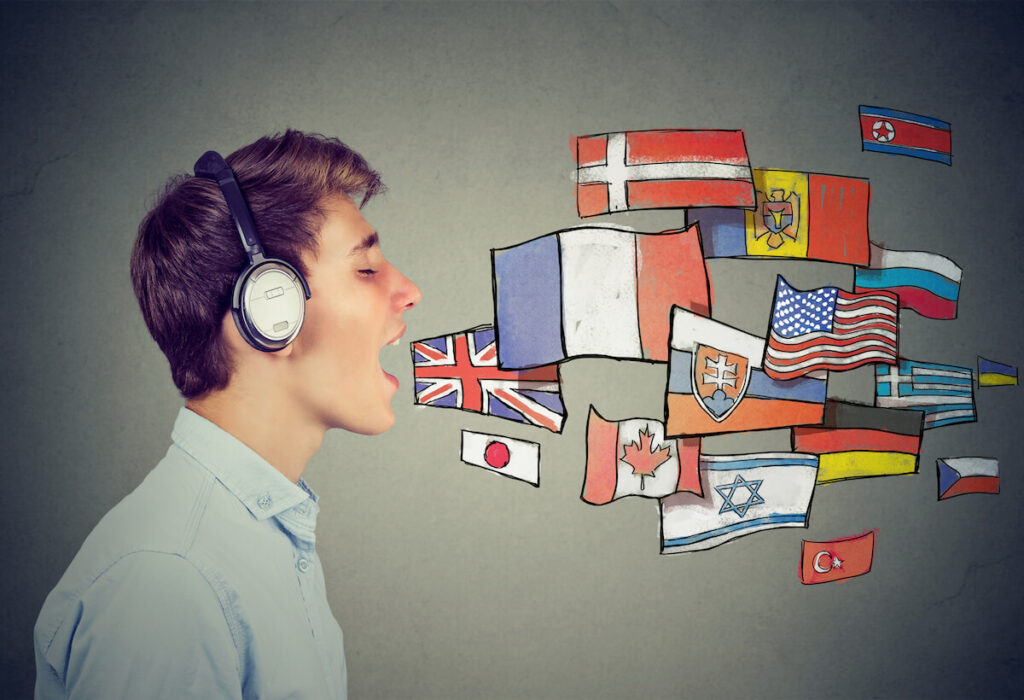
Once you’ve mastered the art of bilingualism, diving into a third language becomes a smoother and more delightful journey.
Here’s the deal: When you become fluent in two languages, you’ve already honed your language learning skills and developed a linguistic toolkit.
You’ve trained your brain to switch between languages effortlessly and grasp new grammatical structures and vocabulary with ease. As a result, your language-learning muscles are toned and ready for a new challenge.
Learning a third language after bilingualism is like building upon a solid foundation. You’ve already experienced the process of acquiring a second language, so you’re familiar with effective learning strategies and techniques.
Plus, being bilingual exposes you to diverse linguistic structures and cultural contexts. This exposure broadens your understanding of language as a whole and helps you develop a more flexible and adaptable approach to language learning.
10. You’ll see your own language and culture from a different perspective.

By learning a second language, you’ll start to notice fascinating nuances and intricacies in your native language that you might have never paid attention to before.
You become more aware of grammar structures, vocabulary choices, and even cultural references that are deeply embedded in your own language.
Being bilingual also allows you to compare and contrast different cultural practices, customs, and values. As you delve into a new language and culture, you’ll begin to recognize the subtle differences and similarities between your own cultural background and the one you’re exploring.
You’ll gain fresh insights, challenge preconceptions, and develop a more nuanced understanding of your cultural identity.
11. Your kids will benefit as well.

When you’re bilingual, you have the ability to create a bilingual environment for your children right from the start. By speaking to them in both languages, you provide them with a solid foundation in multiple languages, opening doors to endless possibilities.
They’ll become natural language learners, effortlessly absorbing the nuances and intricacies of each language.
They’ll also grow up with a deep appreciation for diverse cultures, traditions, and perspectives, as well as become more adaptable, open-minded, and globally aware individuals, ready to embrace the interconnected world we live in.
Just picture the joy of watching your children effortlessly switch between languages, effortlessly communicating with people from different backgrounds.
12. You’ll feel proud of yourself.

One of the most rewarding aspects of being bilingual is the immense feeling of pride that comes along with it. When you become fluent in another language, you’re not just acquiring a new skill, but you’re also embarking on a personal journey of growth and self-discovery.
As you navigate the ups and downs of language learning, overcoming challenges, and celebrating milestones, you’ll develop a deep sense of accomplishment. In the process, you’ll inspire folks around you as well.
The feeling of being able to communicate effectively in another language is truly empowering. You’ll feel a sense of pride knowing that you can adapt to new environments and communicate effectively in different contexts.
Final thoughts

The benefits of being bilingual are truly remarkable and include forming new friendships, strengthening your brain, and enhancing your professional prospects. Bilingualism offers a wealth of advantages that go far beyond simply speaking more than one language.
By diving into another language and culture, you embark on an enriching journey of self-discovery and personal growth. You gain a deeper appreciation for diversity, develop empathy, and expand your worldview.
Bilingualism not only enables you to communicate with others but also allows you to see the world through a different lens, fostering a greater understanding and acceptance of different perspectives.
So, whether you’re motivated by the practical benefits of bilingualism or the sheer joy of connecting with others on a deeper level, embracing language learning is a decision you won’t regret.