
As a language teacher, it was always pretty obvious whenever my students had used an internet translator to write their homework. It was usually obvious due to a complex verb tense we hadn’t studied or through their misspellings of English homophones that came out all wrong.
Yet, there was one type of phrase that students would get wrong even if they hadn’t used a translator: idiomatic expressions.
Idiomatic expressions are so much fun, and people love learning about them. So, without further ado, let’s take a look at 10 weird French animal idioms that my students loved!
As you’ll see, even though animals appear in these weird French animal expressions, their meanings have nothing to do with the animals themselves. So let’s take a look.
1. Avoir une araignée au plafond
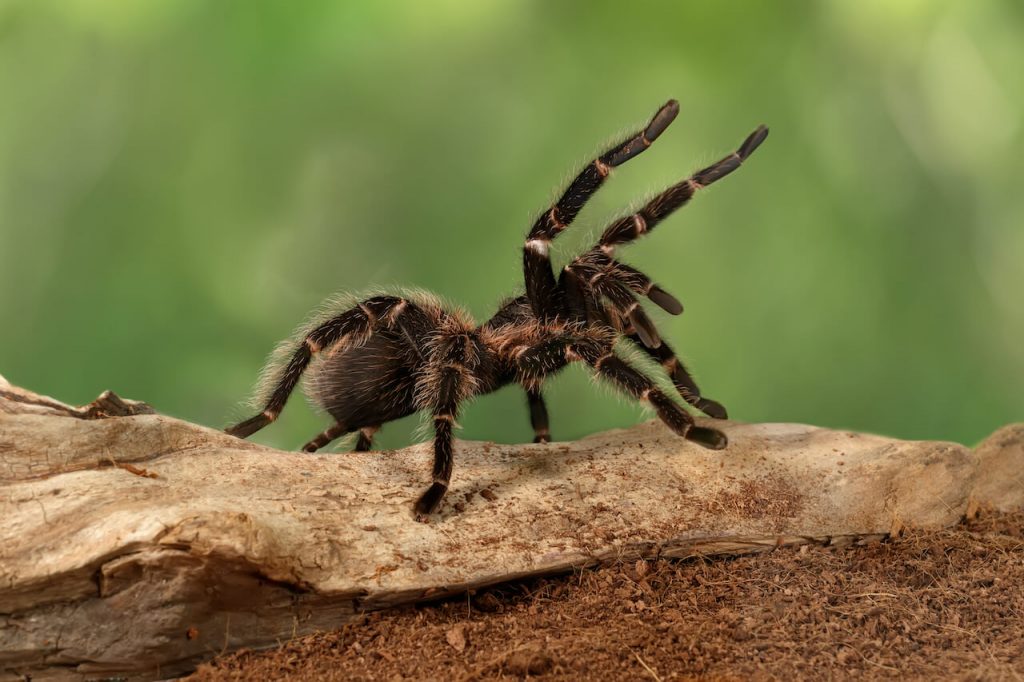
Translation: to have a spider on the ceiling
This expressive metaphor originates from the mid-19th century. Apparently, it was used by prostitutes to describe someone who was a bit crazy but harmless. An equivalent in English might be “to have a few screws loose”.
Example:
– Ce garçon a une araignée au plafond.
– This boy has a few screws loose.
2. A bon chat, bon rat

Translation: to a good cat, a good rat
Dating from the 16th century, this weird French phrase describes two opponents that are evenly matched. In English, we might use “tit for tat” as an equivalent.
Example:
– Qui va gagner?
– A bon chat, bon rat
– Who’s going to win?
– It’s tit for tat
3. Les chiens ne font pas des chats
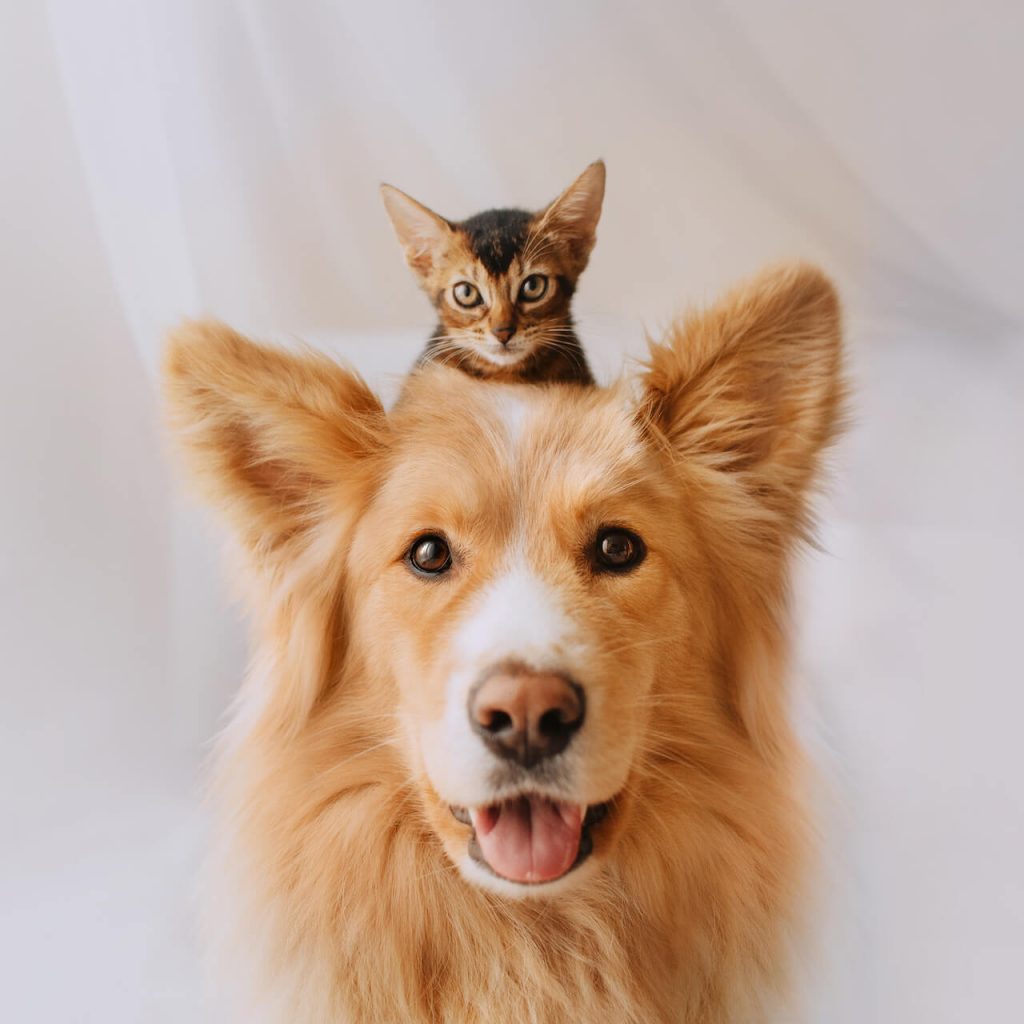
Translation: Dogs don’t make cats
It’s an obvious phrase – dogs don’t make cats! But, when you use this weird French animal idiom, you’re describing a person who has similar characteristics to their mother or father. In English, we have our own idiomatic expression for this in “the apple doesn’t fall far from the tree”.
Example:
– Il est paresseux comme sa mère !
– Oui ! Les chiens ne font pas des chats !
– He’s lazy like his mother!
– Yes! The apple doesn’t fall far from the tree!
4. Poser un lapin

Translation: to put down a rabbit
This weird French animal expression is utterly bizarre to us English speakers! When a French person tells you about someone putting down a rabbit, it has nothing to do with bunnies at all! Instead, poser un lapin means leaving someone hanging or standing them up. In other words, arranging to meet but then not showing up!
Example:
– J’avais rendez-vous avec un garçon mais il m’a posé un lapin.
– I was meant to go on a date with a boy, but he stood me up.
5. Peigner la girafe
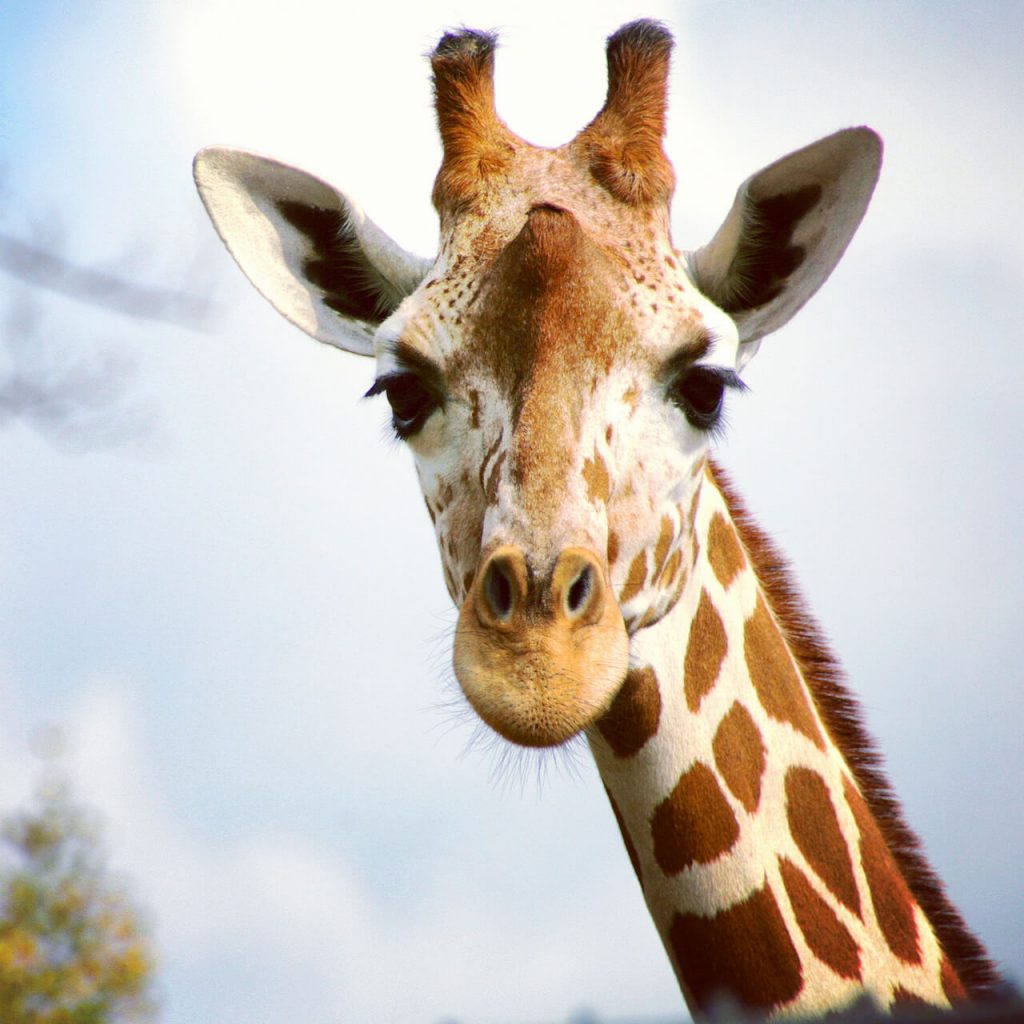
Translation: to comb the giraffe
How about this for a weird French animal idiom! Unless you’re a zookeeper, you’ve probably never really combed a giraffe. But, if you were in France, you might use this expression to talk about how you were twiddling your thumbs or doing a pointless task.
Example:
– Qu’est-ce que tu faisais?
– Rien d’important… je peignais la girafe.
– What were you doing?
– Nothing important…. I was twiddling my thumbs.
6. Avoir le cafard/le bourdon

Translation: to have the cockroach/bumblebee
If you have the cockroach or the bumblebee in France, you’re in a gloomy mood or having a bad time of it. But I guess if you did have a cockroach or bumblebee on you, then you might not be very happy! It was the French writer Charles Baudelaire who first used the phrase avoir le cafard in Les fleurs du mal, in 1857.
Example:
– Qu’est-ce qu’il y a ?
– J’ai le cafard.
– What’s the matter?
– I’m feeling down
7. Donner sa langue au chat

Translation: to give one’s tongue to the cat
Not to be confused with the English expression “cat got your tongue?”, to give one’s tongue to the cat means you give up or to give in. As weird French animal expression go, this is pretty strange!
However, there’s an idiomatic expression similar in English – to throw in the towel.
Example:
– Je ne le trouve pas ! Je donne ma langue au chat.
– I can’t find it! I give up.
8. Le chat échaudé craint l’eau froide

Translation: the scalded cat fears cold water
This weird French animal idiom makes total sense: if a cat has been scalded with hot water, it will also be scared of cold water afterwards. In English, we might say ‘once bitten, twice shy’.
Essentially, we’re describing someone who has been hurt or failed when trying to do something, so they’re fearful about trying it again.
Example:
– Il est vrai que chat échaudé craint l’eau froide. L’avenir nous dira.
– It’s true what they say: once bitten, twice shy. Only time will tell.
9. Un froid de canard
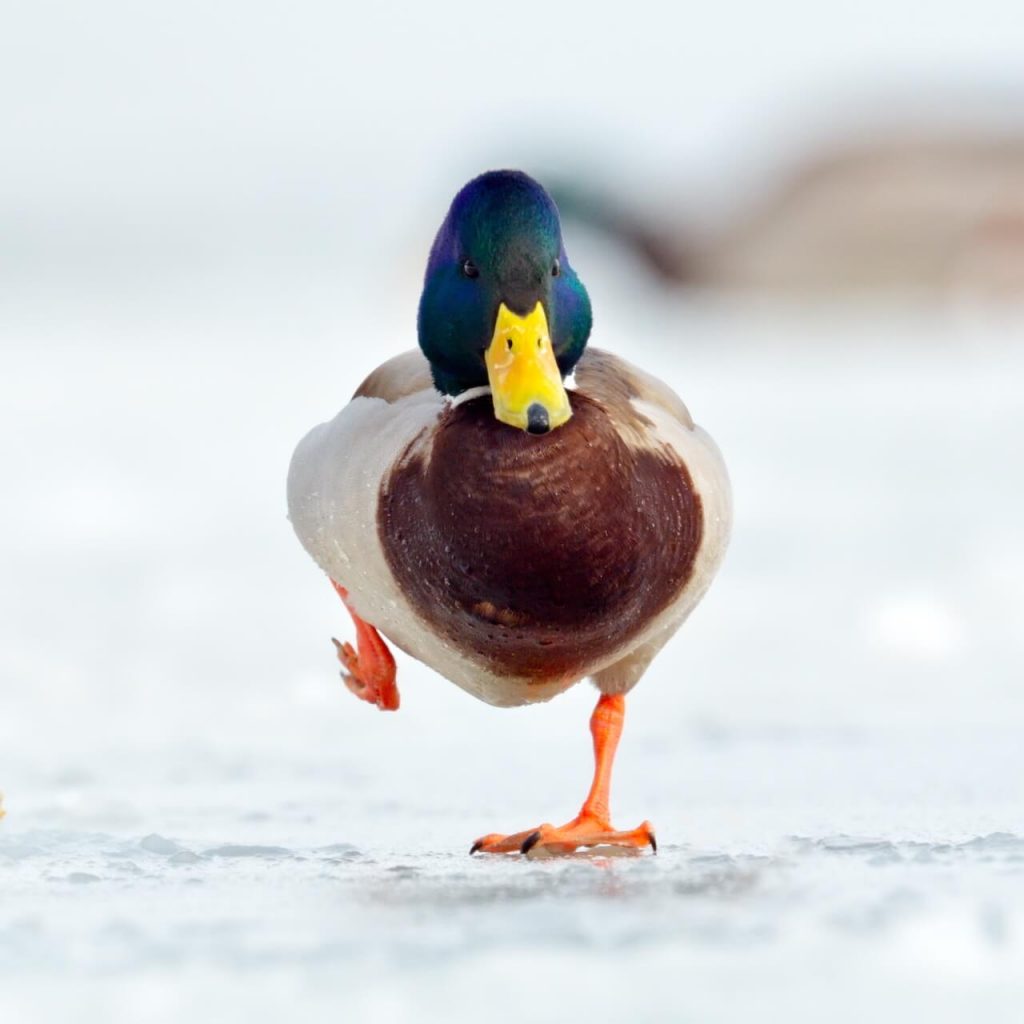
Translation: duck cold
This informal and weird French animal expression describes the weather when it’s bitterly cold.
The origin of this phrase comes from duck hunting – the best time of year for hunting ducks is in the winter, and hunters must stay still to allow ducks to get close to them, making them get really cold!
In English, we have a weather idiom about ducks – “it’s lovely weather for ducks” – but for us, this means it’s raining a lot.
Example:
– Ooh la la ! Il fait un froid de canard aujourd’hui!
– Oh my goodness! It’s bitterly cold today!
10. Devenir chèvre
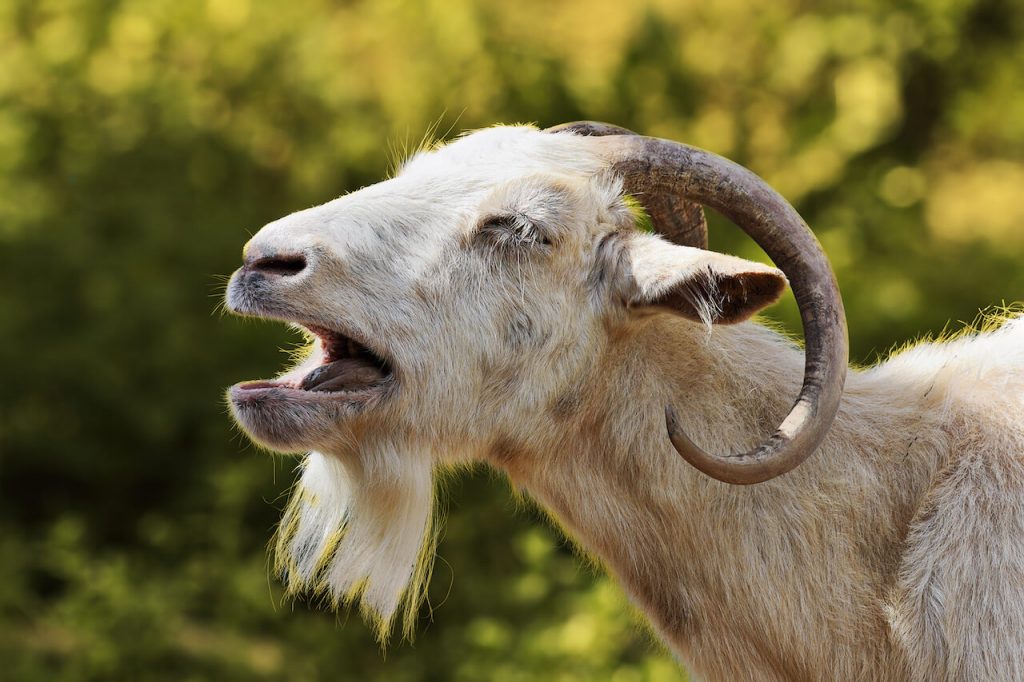
Translation: to become a goat
If you become a goat in France, you become enraged or “go nuts/bananas”, as English speakers might say. As weird French animal idioms go, this is really expressive! It conjures up a great mental image of a crazy, angry goat!
Example:
– Il pense que quelqu’un l’espionne… il me fait devenir chèvre.
– He thinks someone is spying on him… he’s driving me nuts.
Conclusion
So, there you have it – 10 weird French animal idioms and expressions to try the next time you’re speaking French. I hope these phrases have given you a giggle. Perhaps you no longer have the cockroach or the bumblebee, and you don’t feel as though you’ve been combing the giraffe.